Food and Drink
 Shopping
 Transportation
 Accommodation
 Useful Tips
 By city
 By Interests
 Pre-departure Guides
 Travel Updates

For centuries, families have lived in villages near the Great Wall, and some have even dedicated their lives to it. Among them is the Lindesay family. Thomas Lindesay, of British and Chinese heritage, grew up beside the Wall, where his family has spent nearly three decades studying, documenting, and sharing its story.
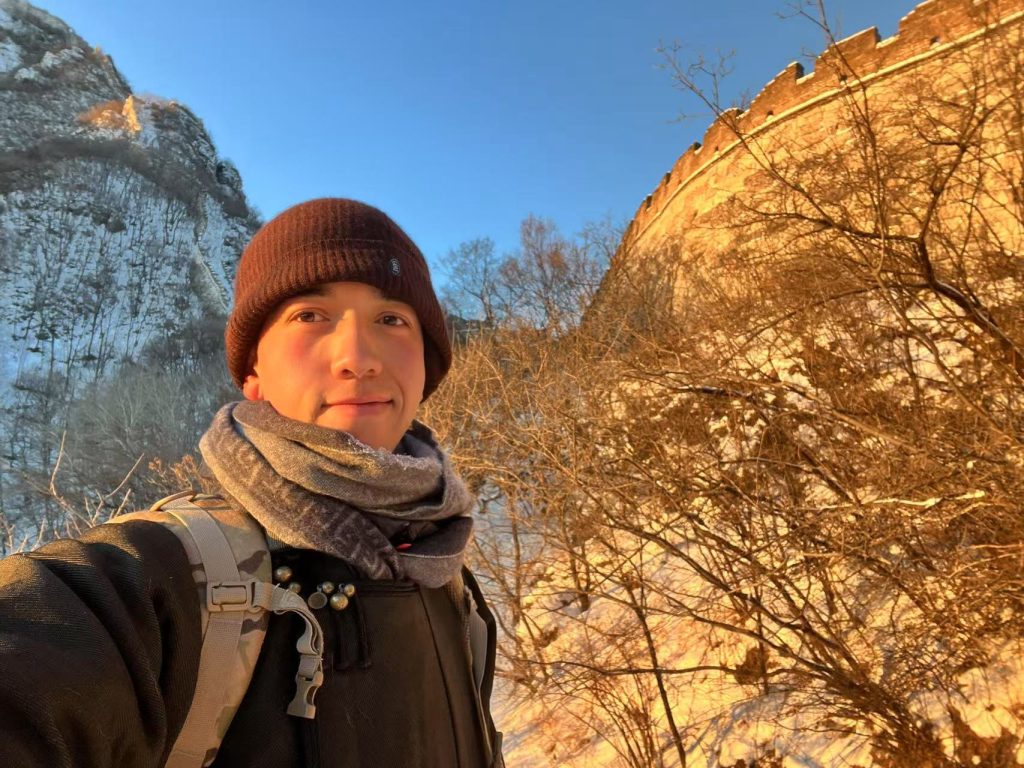
This conversation, recorded while hiking the Wall, captures Thomas’s reflections on his personal connection to it, the mysteries it still holds, and what it means to guide travelers along one of the world’s most iconic monuments.
How did your journey lead you to become an expert on the Great Wall of China?
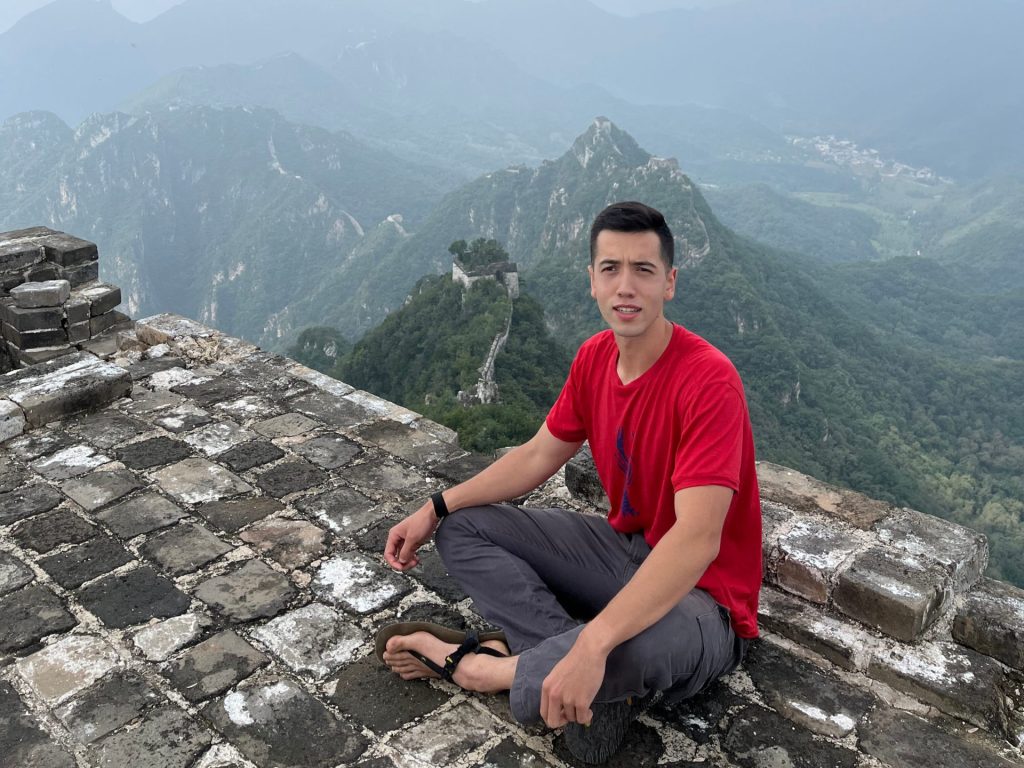
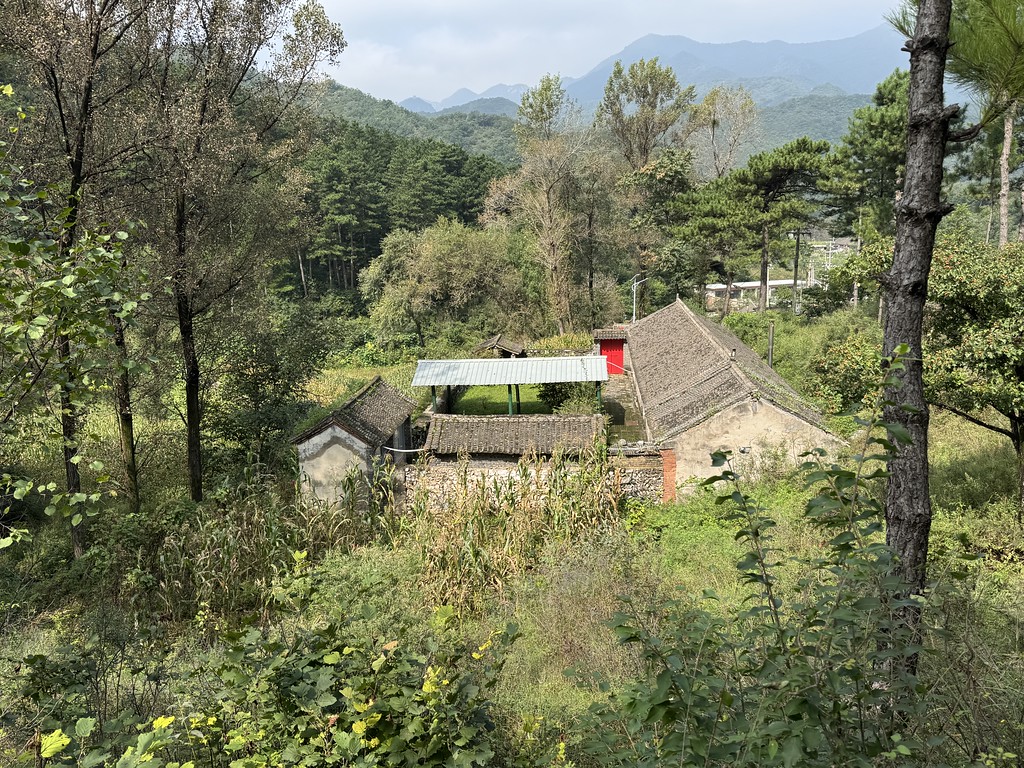
I grew up here beside the Wall — the Great Wall at Jiankou. My parents have been in China for a long time, and for the majority of that time, they’ve been studying and writing about the Great Wall. We’ve been in this valley now for 27 years, and many of those years I’ve spent hiking the Wall with guests, sharing its story through our family’s eyes.
The Great Wall stretches across so many provinces and terrains. How did you begin to piece together its history and stories?
Starting here in our backyard at Jiankou, I became quite curious about what the Wall looked like elsewhere. The Wall is actually very diverse and incredibly long. It’s not just one wall — there are multiple layers and complex signaling systems. In 2022, my brother and I retraced our father’s Great Wall journey from 1987, walking from Jiayuguan, in the desert of Gansu Province, all the way to the border with North Korea. It took 153 days, covering 3,842 kilometers.
Do you think there are still hidden or lesser-known aspects of the Wall waiting to be discovered?
There are sections of Wall that tourists, and even very adventurous hikers, never go to — sections that have only been documented on maps and maybe by a few surveyors. Like I said, it would be a lifetime pursuit to try to see all of the Wall. I’m always surprised by and interested in visiting new areas.
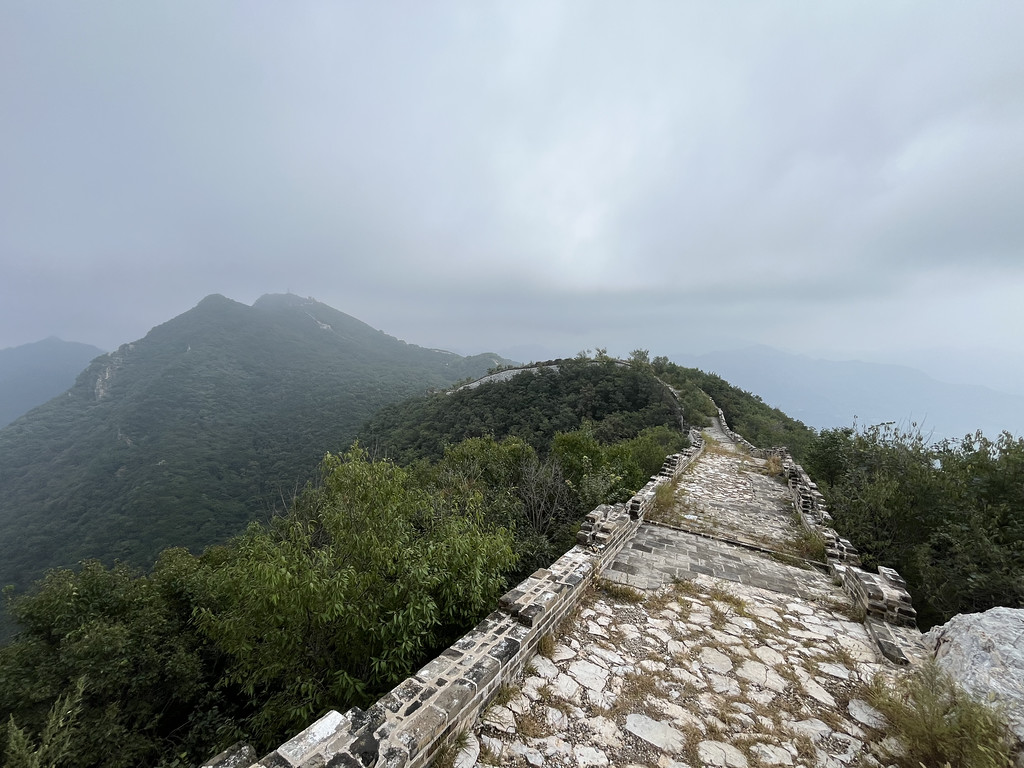
When you lead people along the Wall, what do you want them to feel or understand beyond the bricks and stones?
I used to carry a camera and even a drone. Apart from my phone, I don’t carry anything to capture the Wall anymore. I try to sit down with guests and help them appreciate, first of all, how vast it is, but also what it represents to us as humans: a symbol of perseverance, a symbol of China’s unity and ability to organize, and a reminder of how time passes and how futile many things can be.
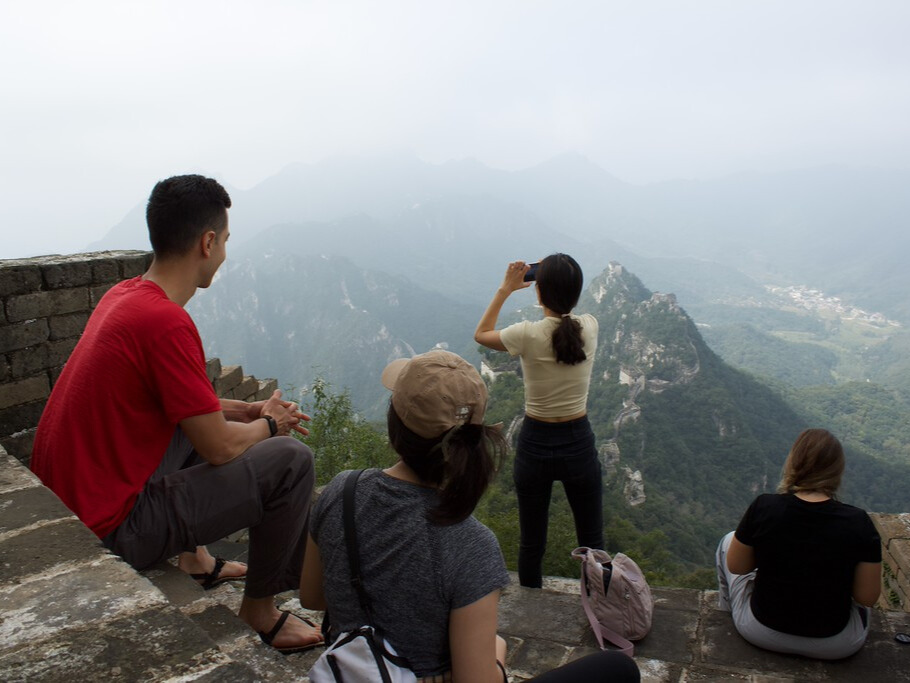
Do you have a favorite anecdote or legend about the Wall?
There are several legends. The most famous is the legend of Lady Meng Jiang, whose tears at the Wall are said to have brought down a section of it. We often tell that story to guests interested in Chinese history, as a way to talk about how the Wall’s meaning has shifted over time. But I believe our family has our own legends too: my father’s journey along the Wall, and later my brother’s and mine. These are the stories we continue to share.
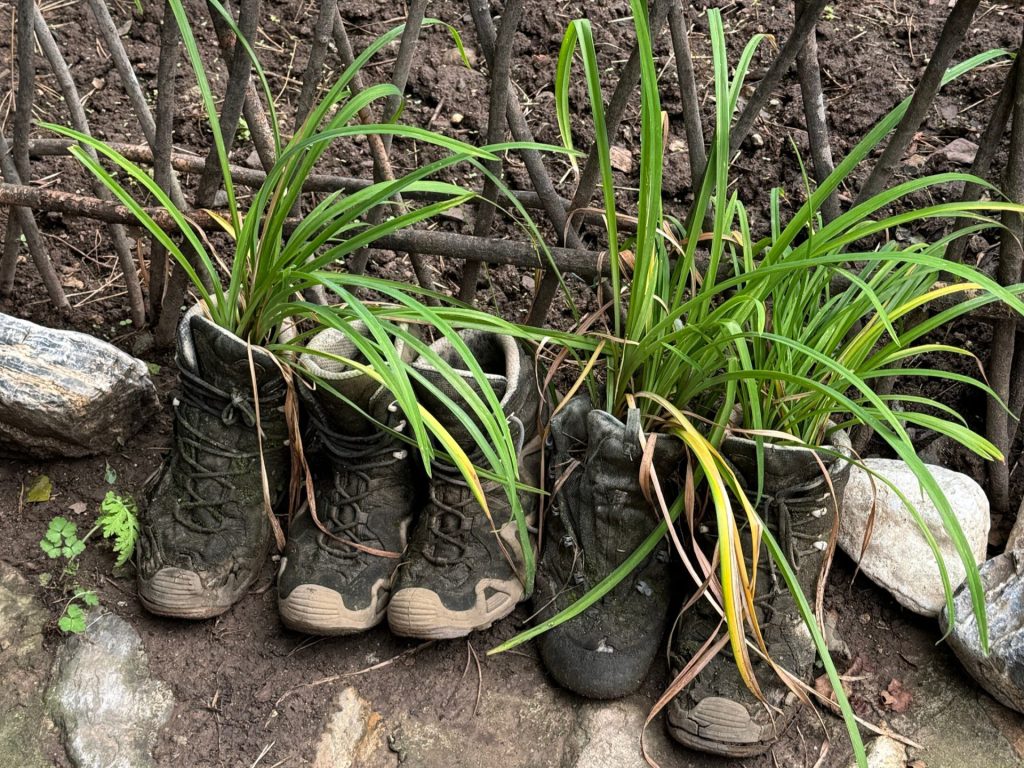
Beyond the stretches near Beijing, are there any overlooked or surprising sections you recommend?
For the more adventurous, I recommend Shanxi and Hebei provinces, especially the Luliang area in western Shanxi, which has beautiful granite sections with towers close together.
What challenges does the Great Wall face today?
The main challenge facing any monument is the passage of time, and nature is reclaiming the Wall. In the shorter term, we focus on educating our guests and all visitors on the importance of leaving no trace to ensure this wonder is preserved for generations to come.
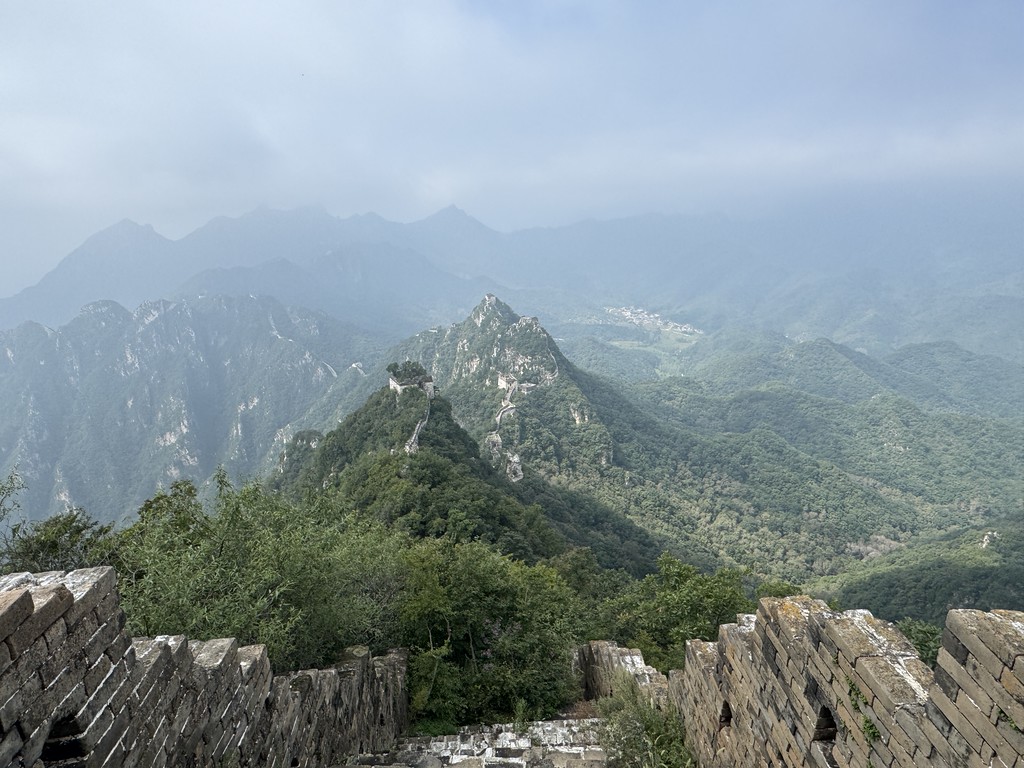
How are local communities involved in preserving the Wall?
My dad always says that the “wallscape” around the Wall is a combination of the Wall, the natural backdrop, and the villages around it. When you come to visit, you’ll pass through villages and meet people who have lived there their whole lives but maybe have only been up to the Wall once or twice. Today, many have found new roles supported by the local government to help protect it — by managing visitor access and being paid to clean the trails. It’s excellent work that we would love to see continue.
If you could take travelers to just one place along the Wall, where would it be and why?
It would absolutely be Jiankou. It is wild and dangerous in parts, but it shows just how determined the Ming Dynasty workers were.
For travelers eager to experience the Wall beyond its bricks and battlements, WildChina invites guests to join Thomas Lindesay on a journey that weaves history, legend, and personal story into every step.
Interview by Shirley Peng, Isaac Gray, and Gabrielle Keepfer
A special thanks to: Thomas Lindesay