Food and Drink
 Shopping
 Transportation
 Accommodation
 Useful Tips
 By city
 By Interests
 Pre-departure Guides
 Travel Updates

In Shanghai, the most memorable hotels are shaped by how they relate to the city around them. Some draw directly from the Bund’s historic waterfront, while others reflect residential Shanghai or the city’s design-led districts.
Here are the best luxury hotels in Shanghai our team recommends, and the details that make each one stand out.
The Peninsula Shanghai
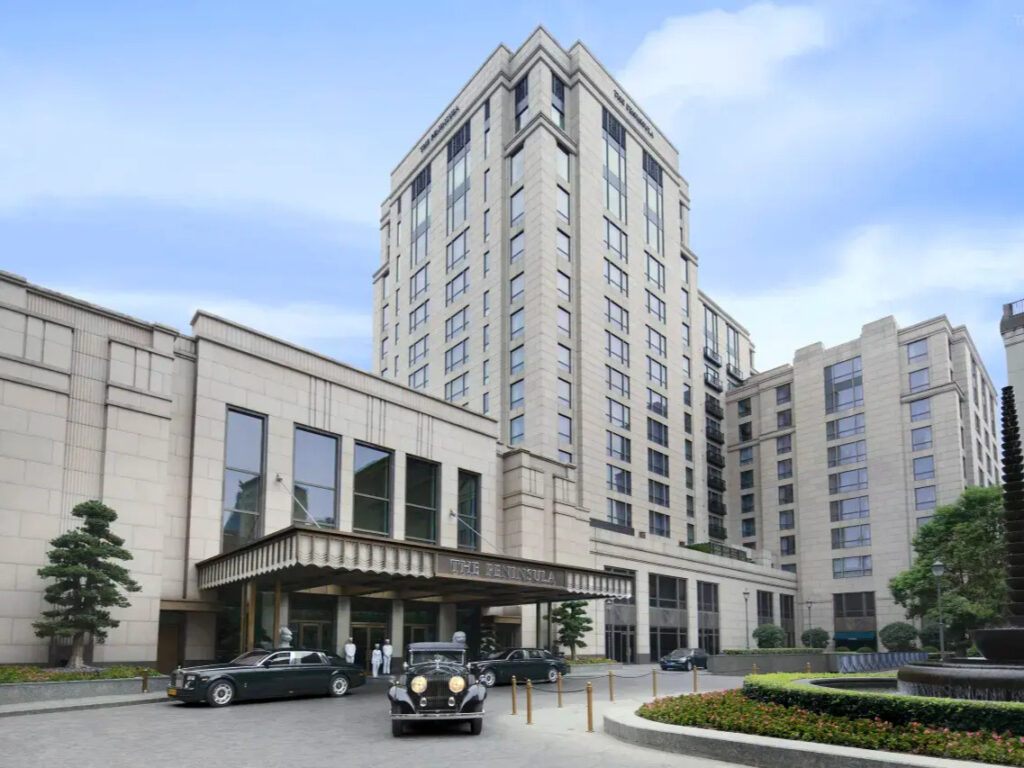
Set at No. 32 on the Bund, The Peninsula Shanghai sits directly on the river in an Art Deco–inspired building that reflects the historic waterfront. On the northern end of the Bund, it looks across the Huangpu River toward Pudong’s skyline. Inland, it connects to Rockbund, where galleries, cafés, and boutiques introduce a more contemporary side of the area, also one of the key settings for Shanghai Fashion Week.
Inside, the experience is led by the sense of scale. The entrance, the height of the ceilings, and the sweep of the ground floor set the tone immediately. The Lobby anchors the hotel and remains one of the few places in Shanghai where afternoon tea still feels like an occasion, served daily with The Lobby Strings in the afternoon and shifting to live jazz in the evening. The Peninsula Arcade sits within the building, with a curated mix of boutiques that places shopping alongside dining and social life in one setting.
Rooms are notably spacious, often with separate living areas and large marble bathrooms. There is a refined, old-school glamour to them, where everything is carefully arranged and easy to use, from the layout to the integrated controls.
Upstairs, Sir Elly’s Terrace opens the hotel out to the city, with wide riverfront views and the skyline at its most defined. This vantage point is what makes it one of the strongest options for a classic Bund stay.
Capella Shanghai, Jian Ye Li
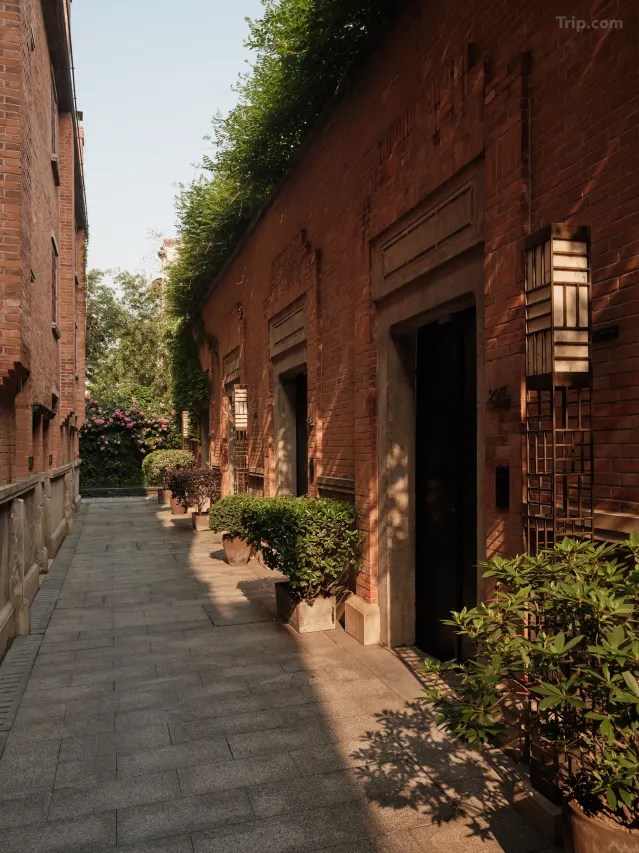
Capella Shanghai, Jian Ye Li stands apart for its quieter, residential setting. Located within one of Xuhui’s remaining clusters of shikumen architecture, the hotel is set back from the street and not immediately visible, which adds to the sense of separation from the city. It feels fundamentally different from most luxury stays in Shanghai. Instead of a tower, it is made up of one-, two-, and three-bedroom villas, designed by the late Jaya Ibrahim and his team to reflect 1930s Shanghai living, with Chinese details layered with subtle French influence.
What defines the stay is the sense of being within the city rather than above it. The lanes, courtyards, and low-rise layout shape a more residential experience that is increasingly rare in Shanghai, with villas spread across multiple floors.
This approach carries through the rest of the property. Guests are supported by Capella Culturists, while the Auriga Spa is set within two restored shikumen villas, maintaining the same architectural language. Dining is similarly contained, with le Comptoir de Pierre Gagnaire, le Bar, and la Boulangerie forming a focused and cohesive offering.
It is best suited to those looking for a quieter stay with more space, in a setting that feels integrated into residential Shanghai.
Upper House Shanghai
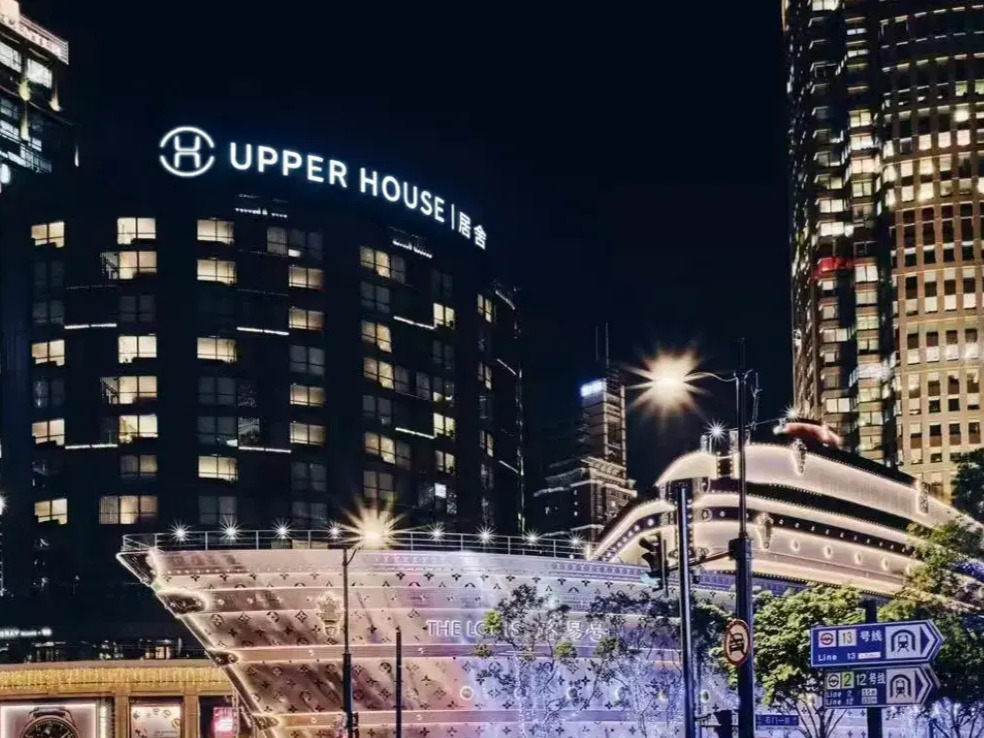
Upper House Shanghai sits in Jing’an, just off West Nanjing Road, which makes it highly convenient, but the mood inside is noticeably calmer than the surrounding streets. Just across the road, the Louis Vuitton ship installation has become a recognizable landmark, placing the hotel within one of Shanghai’s most current retail and design districts.
One reason it holds up so well is that the design has a clear hand behind it. Italian architect Piero Lissoni was responsible for the façade concept as well as the interiors of the public spaces and guestrooms, and that consistency carries throughout. The rooms are large, pared back, and polished rather than showy.
That same clarity carries through the rest of the hotel’s operations. Wellness spaces are fully integrated, with Mi Xun Spa, a heated indoor pool, and a 24-hour gym designed to feel part of the overall environment rather than separate facilities. Dining adds another layer, with Michelin-selected Sui Tang Li and Cafe Grey Deluxe, giving the hotel more depth than many design-led properties.
It suits those who value design and a central location without the formality of a traditional luxury hotel.
Bvlgari Hotel Shanghai
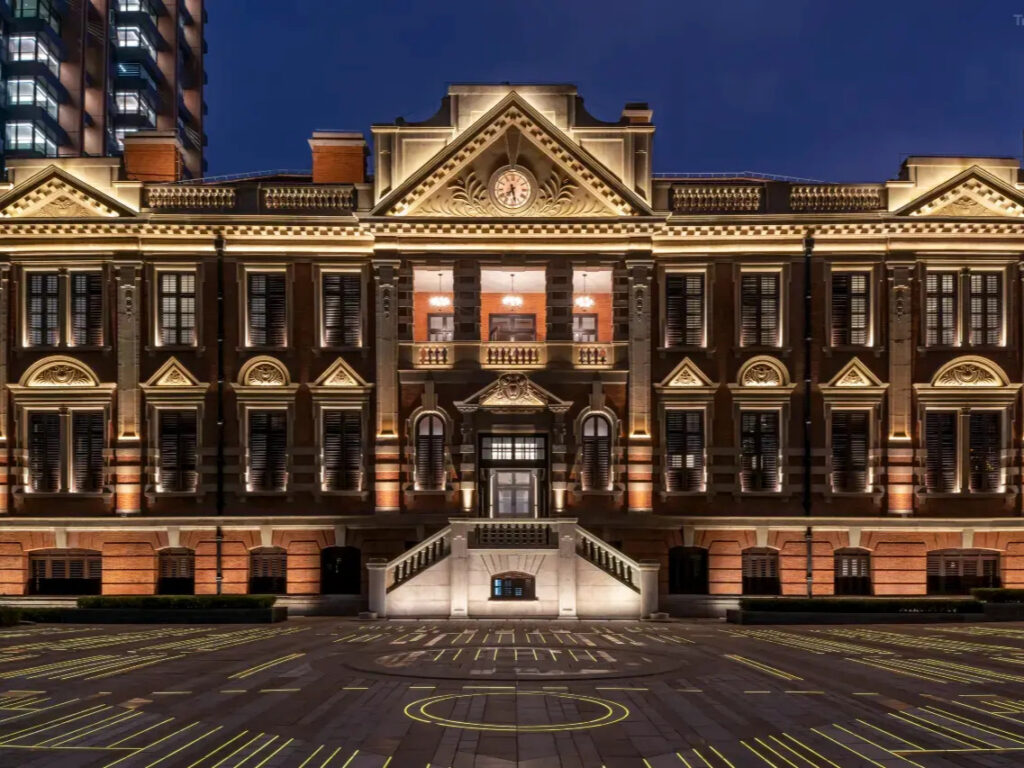
Bvlgari Hotel Shanghai brings together a modern tower and the restored Chamber of Commerce Shanghai building, originally completed in 1916. The contrast between the two gives the hotel its character, with contemporary spaces set alongside preserved architectural detail. This connection is most apparent at Bao Li Xuan, set within the historic building, where restored ceilings and original features frame the restaurant.
The atmosphere shifts as you move upward. Darker materials, controlled lighting, and a more enclosed layout give the interiors a more defined mood, in contrast to the openness of the historic spaces below. At the top, the Bvlgari Bar, Il Ristorante – Niko Romito, and La Terrazza open out toward the skyline, where the setting becomes more social, particularly in the evening.
It is one we recommend for those drawn to a more atmospheric stay, with a stronger evening energy and more contemporary edge.
Regent Shanghai on the Bund
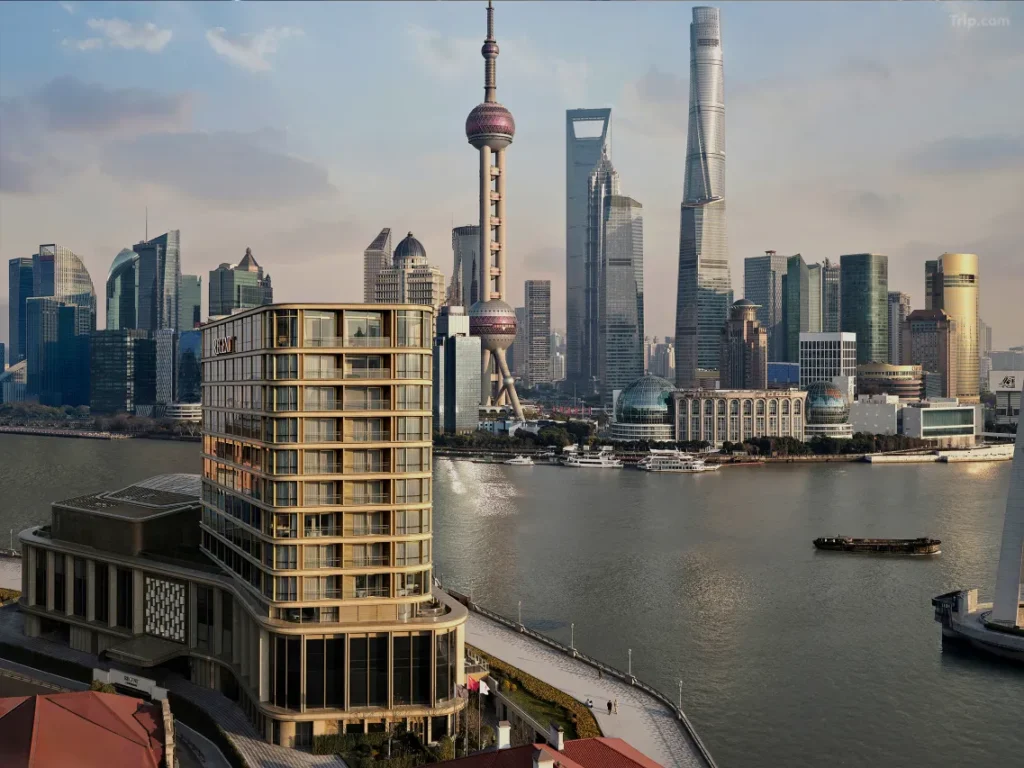
Where some hotels lean into formality, Regent Shanghai on the Bund focuses on light, space, and a direct connection to the river. Rooms are oriented outward, with large windows that keep the Huangpu River and Pudong skyline constantly in view, while the design remains light and contemporary, allowing the setting to take the lead.
This connection continues through the public spaces. Condé Boutique sits just off the lobby, combining a pastry shop, bar counter, and terrace, while Harmonia extends dining toward the river. Both are positioned to engage directly with the surroundings, keeping the river as a constant reference point. Shàng-Xí offers a contrast, with a series of private dining rooms that create a more enclosed and quieter setting within the hotel.
A strong option for those who want the Bund in full view, with a lighter, more contemporary feel.
Our recommended hotels reflect the range of Shanghai itself, from its historic waterfront to its residential streets and design-led districts. Where you stay often frames how the city is experienced. Get in touch with our travel designers to incorporate these stays into a wider journey through Shanghai.
By Gabrielle Keepfer