Food and Drink
 Shopping
 Transportation
 Accommodation
 Useful Tips
 By city
 By Interests
 Pre-departure Guides
 Travel Updates

For some, China’s coffee culture comes as a surprise. Tea has long been the drink most closely tied to the country’s identity, yet over the past two decades, change has been brewing.
From the high-altitude plantations of Yunnan to the sleek espresso bars of Shanghai, China is cultivating distinctive beans, inventive cafés, and a new generation of coffee professionals making their mark on the global stage.
Here are some of the regions and cities shaping coffee in China — each offering its own taste and experience.
Yunnan – China’s coffee highlands
In China’s southwest, Yunnan province is not only known for its dramatic mountains and rich cultural diversity, but also as the heart of the country’s coffee industry. Today, it produces 98 percent of China’s coffee, enjoyed both domestically and around the world.
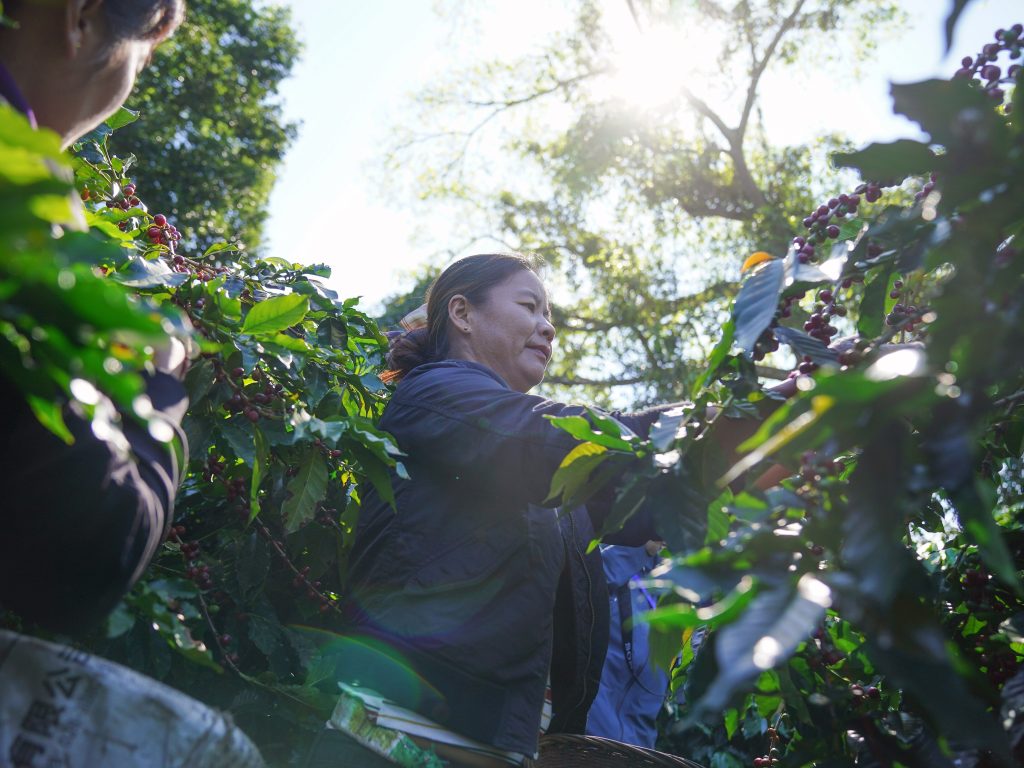
Arabica — a coffee plant species prized for its smooth, nuanced flavor — was introduced to Yunnan in the late 19th century, with large-scale cultivation taking off in the 1980s. The region’s steep terrain, temperate climate, and fertile soils offer conditions comparable to Colombia and Ethiopia, yielding beans with a smooth body, floral notes, and rich chocolate undertones. In recent years, a focus on specialty coffee has transformed Yunnan into a recognized name in the global coffee community.
Farmers across the province champion sustainable and hands-on production, selectively harvesting coffee at peak ripeness, sun-drying the beans on raised beds, and experimenting with processing methods to bring out individual flavor profiles. Harvest season, from November to March, transforms the hillsides into a hive of activity, with the aromatic scent of drying beans drifting through the cool mountain air.
WildChina recommends: Along Yunnan’s historic Tea Horse Road, LUX* Tea Horse Road properties connect guests to coffee at its origin at nearby estates, where visitors can follow the process from planting to harvest, with beans selected directly from growers, roasted locally, and sustainably sourced. The LUX* mobile café can even bring these brews to scenic spots in the surrounding mountains, making the coffee break a memorable part of the journey itself.
Address: Various LUX* Tea Horse Road locations, Yunnan
Beijing – brewing in historic buildings
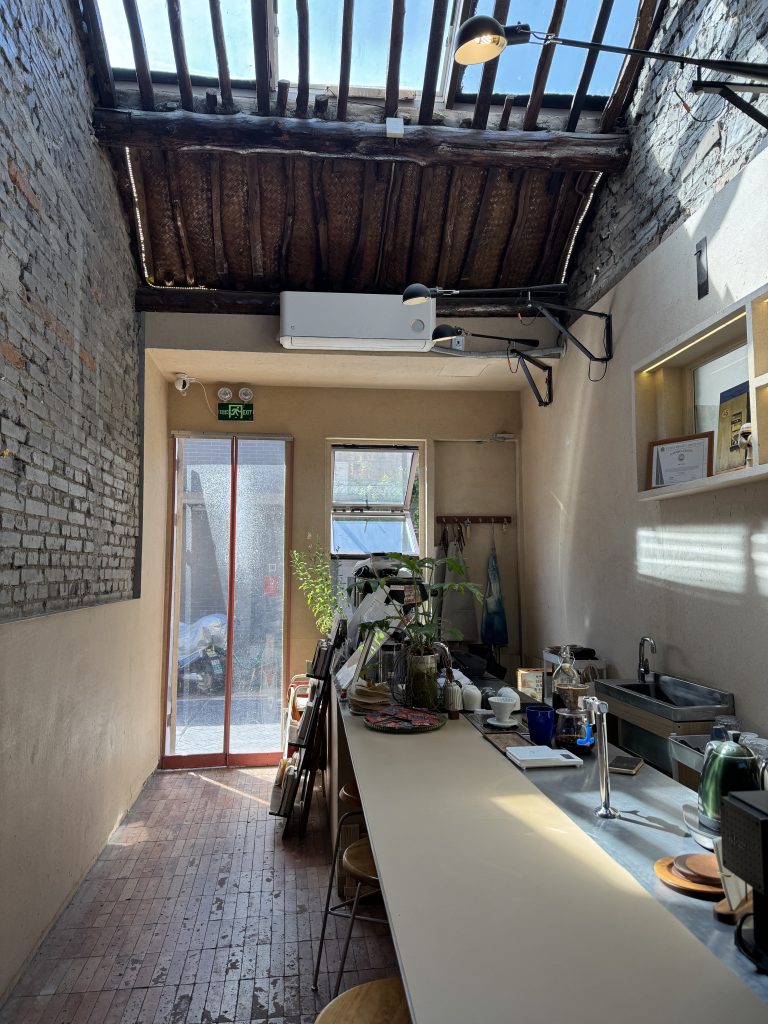
In Beijing, coffee culture flourishes in buildings with stories to tell. The capital’s historic structures are finding new life as independent coffee shops, preserving their original charm while offering something fresh. In the hutongs (narrow alleyways), traditional courtyards and century-old shop fronts now house intimate coffee bars with brick walls and timber beams still in place.
Beyond the alleys, even former state institutions are finding a new chapter. China Post’s retro-green façades and familiar signage remain, but inside, coffee is poured alongside keepsakes of its postal past — a reminder of how the city evolves without losing sight of its heritage.
WildChina recommends: Cenchi Coffee by SpaceStation is a micro café set in an 8m² space in one of Beijing’s historic hutongs. Its design preserves the hutong’s architectural character, with an open front and movable seating that blur the line between street and shop. Order a hand-pour Yunnan single-origin and enjoy it perched on the steps, amid the spontaneous social life that has long defined these narrow lanes.
Address: 114 Dong Si South Street, Dongcheng District, Beijing (东四南大街114号)
Shanghai – “the world’s coffee shop capital”
Yunnan is where much of the coffee in China begins, and Shanghai is where it is transformed into trendsetting experiences. Over the past decade, the city’s coffee culture has flourished, and it’s now believed to have more coffee shops than any other city in the world. Local innovation and international influence have created a landscape where minimalist espresso bars, hidden alleyway roasteries, and sprawling concept cafés thrive side by side.
Here, coffee is about atmosphere as much as it is about taste. Many cafés double as art galleries, design studios, or boutique stores, reflecting the city’s role as a creative and commercial hub. Neighborhoods like the Former French Concession, with its tree-lined streets and restored shikumen (stone gate) houses, have become magnets for coffee lovers, favoring independent cafés that prioritize craftsmanship and creativity.
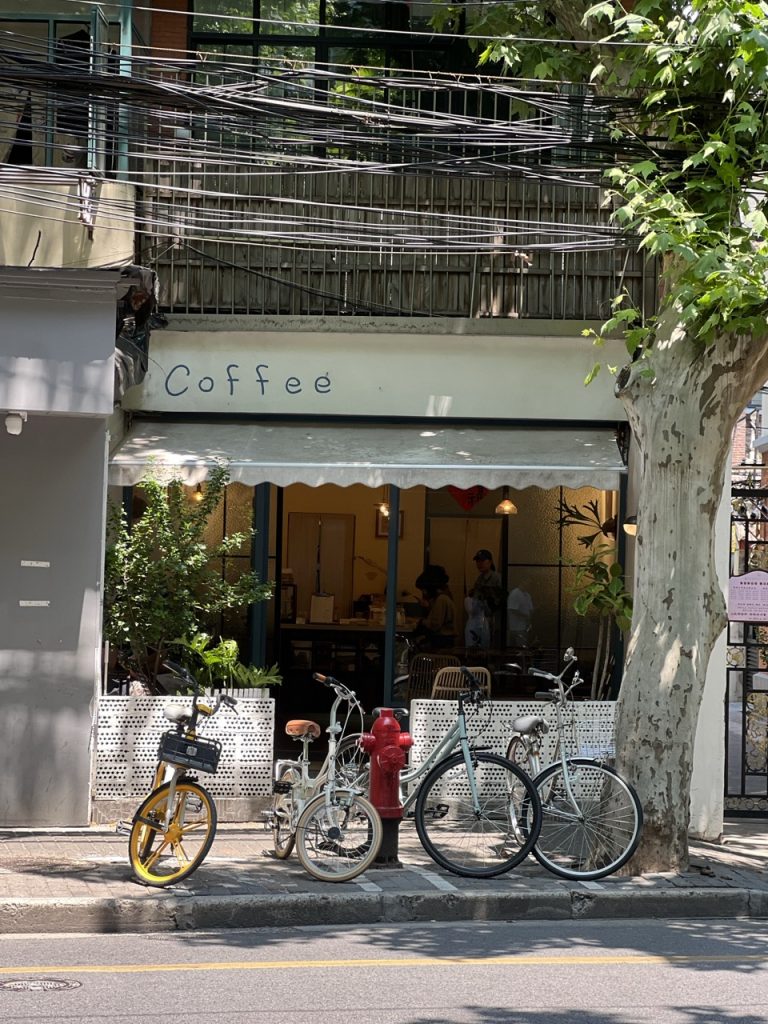
WildChina recommends: In Shanghai, coffeaSHED at Columbia Circle serves sustainably sourced coffee from across China and also offers a curated selection of locally made products, from jams and wines to clothing and handicrafts. Its name and design draw inspiration from the open-sided shelters found in coffee-growing regions, where farmers gather to rest and share meals.
Address: 3 Columbia Circle, 1262 Yan’an West Road, Changning District, Shanghai (延安西路1262号上生新所3号楼1层)
Hainan – an island origin
China’s southernmost province, Hainan, is best known for its palm-fringed beaches, coconut groves, and year-round warmth — but its volcanic soil and humid climate have also nurtured a small yet distinctive coffee industry. While the island’s production is tiny compared to Yunnan’s, its beans carry a character all their own.
Here, the focus is on robusta, a coffee plant species with naturally higher caffeine content and an earthier, more full-bodied profile than Yunnan’s arabica. In Hainan’s cup, this often translates to a smooth, rounded taste with low acidity, balanced by mellow nut and cocoa notes. Many island roasters experiment with local ingredients, offering coconut-milk lattes, sugarcane cold brews, and fruit-infused creations that capture the tropical character of Hainan.
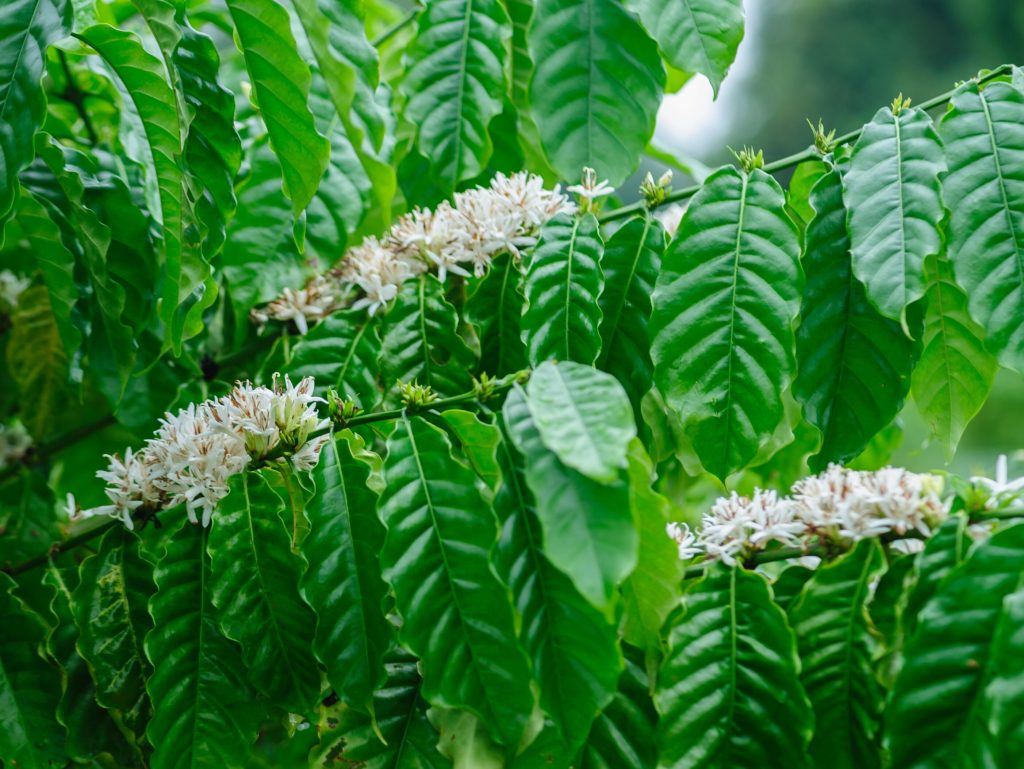
Coffee cultivation is concentrated on the southeastern coast, particularly around Xinglong in Wanning City, where farms benefit from rich volcanic soils and abundant rainfall. The tropical climate means coffee can be cultivated for much of the year, though the main harvest runs from November to February. Freshly picked coffee fruit is often laid out in the sun to dry — a simple but vital step that helps develop the beans’ gentle sweetness.
WildChina recommends: On the northwestern side of the island, Fushan Coffee Culture Town offers an immersive introduction to Hainan’s coffee heritage. Visitors can stroll through fields where Fushan’s milder robusta grows and enjoy a freshly brewed cup in an open-air café looking out over tropical farmland.
Address: Fushan Town, Chengmai County, Hainan (海南省澄迈县福山镇)
Guiyang – coffee with added character
Perched on the eastern edge of the Yunnan–Guizhou Plateau, the city of Guiyang is emerging as a stop for coffee lovers looking for something different. Though the city has no coffee farms of its own, creative roasters bring the character of Guizhou’s mountains into the cup, blending Yunnan-grown specialty beans with distinctly local touches — infusions of wild herbs, rice wine, or even chili.
Here, coffee is less about speed and more about savoring the moment. It’s also about connection, with many cafés serving as gathering places that host live folk music or showcase local artists. Much of this scene is driven by a new generation of Guiyang entrepreneurs and baristas who are introducing specialty coffee culture while incorporating flavors and traditions from their home province.
WildChina recommends: Captain George is the cozy café of Peng Jinyang, a Guiyang-born barista who won the 2025 World Brewers Cup — one of the most prestigious titles in the global coffee industry, awarded to just one champion each year. His dedication to perfecting his craft has helped put Guiyang on China’s specialty coffee map.
Address: 40 Taiping Road, Guiyang, Guizhou (贵阳市太平路40号)
Signature flavors to try in China
China’s specialty coffee scene has embraced creativity, producing signature drinks that draw on local flavors. These distinct combinations offer a taste of place in every sip. Here are a few of the WildChina team’s favorites:
- Hawthorn Coffee – A Beijing specialty inspired by tanghulu (candied hawthorn skewers), a beloved winter street snack synonymous with childhood in North China; made with espresso and sweet-tart hawthorn jam for a bright, nostalgic twist.
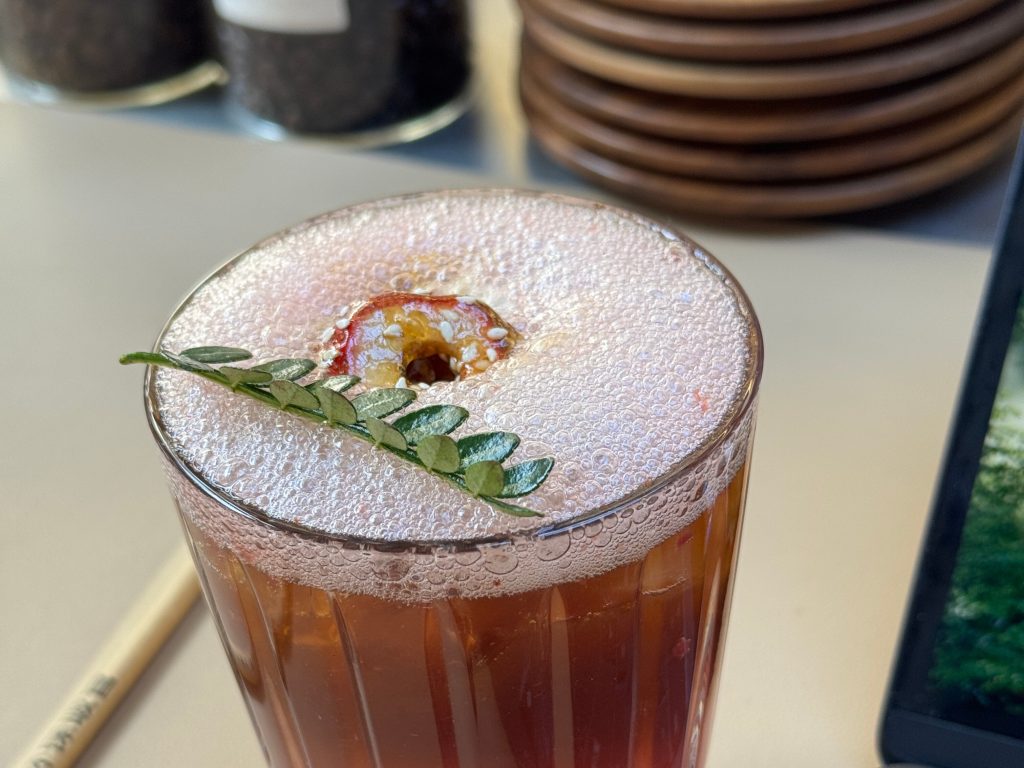
- Sichuan Pepper Iced Americano – A Chengdu favorite where espresso meets huajiao (Sichuan peppercorn), adding a citrusy aroma and the signature tingling spice of Sichuan cuisine.
WildChina insider tip: At Cup Seasons in Chengdu, ask for this off-menu creation — it’s part of their secret list for those in the know. It’s located at 48 Jinquan Street, Unit 16, Jinjiang District, Chengdu (金泉街48号附16号).
- Osmanthus Coffee – Found in Hangzhou and other parts of Zhejiang, where osmanthus blossoms have been prized for centuries in teas and desserts; this fragrant drink infuses espresso or cold brew with osmanthus blossoms, adding delicate floral notes.
China’s coffee culture offers many ways to connect with its people and landscapes — each cup a taste of place, from Yunnan farmers refining organic methods to Guiyang roasters shaping the city’s flavor.
Get in touch with our travel designers to explore the regions and cities mentioned in this article, for a journey through China’s landscapes, traditions, and flavors — including our own WildChina Studio in Songyang, Zhejiang, where a restored folk home now serves as a café and community hub as part of our rural revitalization efforts.
By Gabrielle Keepfer