Food and Drink
 Shopping
 Transportation
 Accommodation
 Useful Tips
 By city
 By Interests
 Pre-departure Guides
 Travel Updates

At WildChina, we are committed to crafting journeys that respect and celebrate each traveler’s cultural and personal needs. For those observing halal practices, exploring halal food in China offers a rich culinary journey and an opportunity to connect with the country’s Muslim heritage.
Whether strolling through the bustling streets of Beijing, wandering the historic alleys of Xi’an, or venturing into more remote regions, we strive to make halal dining in China easily accessible, enabling travelers to savor the country’s diverse and delicious flavors with confidence.
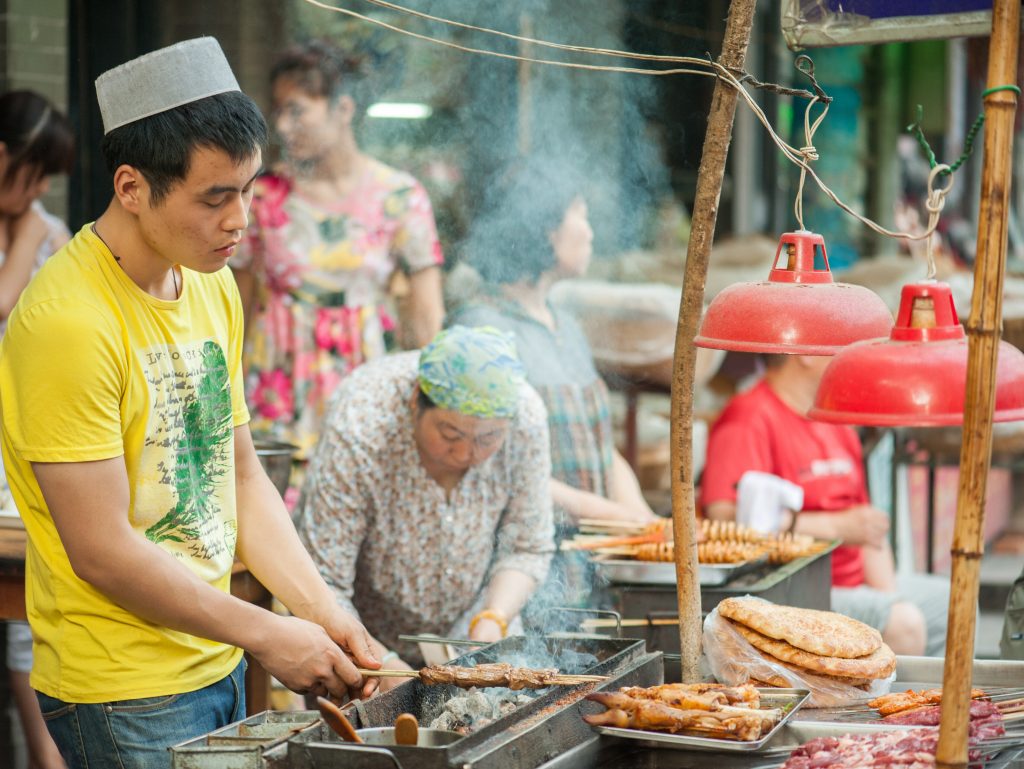
China’s Muslim heritage
Islam has been a part of China’s cultural landscape for over a millennium, arriving via the Silk Road in the 7th century. Muslim communities, such as the Hui—one of China’s largest ethnic minority groups—have deeply influenced local traditions, cuisine, and architecture across the country.

Q&A: Halal dining in China
Below are some key questions and answers to help guide you in navigating halal dining across China. If you have any specific requirements or further inquiries, please reach out to our team.
What does halal food mean in China?
Like elsewhere, halal food in China follows Islamic dietary laws, excluding pork and alcohol, and adhering to specific methods of animal slaughter. Shaped by the culinary traditions of China’s diverse Muslim communities, halal cuisine features a wide range of delicious dishes and regional specialties.
Where can I find halal food in China?
Halal food is accessible throughout China, though options may vary by region. Major cities like Beijing, Xi’an, and Shanghai offer a variety of halal restaurants and food stalls, particularly in areas with long-established Muslim communities. In more remote regions such as Ningxia and Yunnan, halal food is rooted in the cultural and historical presence of significant Muslim populations. Here are some of the key destinations to explore:
Xi’an
Islam first arrived in China via the Silk Road, and Xi’an, as the ancient capital during the Tang Dynasty, became one of the earliest hubs for Islamic culture. The vibrant Muslim Quarter, located near the Great Mosque—one of the oldest and most important mosques in China—is home to market stalls and restaurants offering traditional dishes like skewered lamb and flatbreads. Stroll through the lively lanes with our local guides, who will introduce you to halal street vendors and well-loved eateries.
Beijing
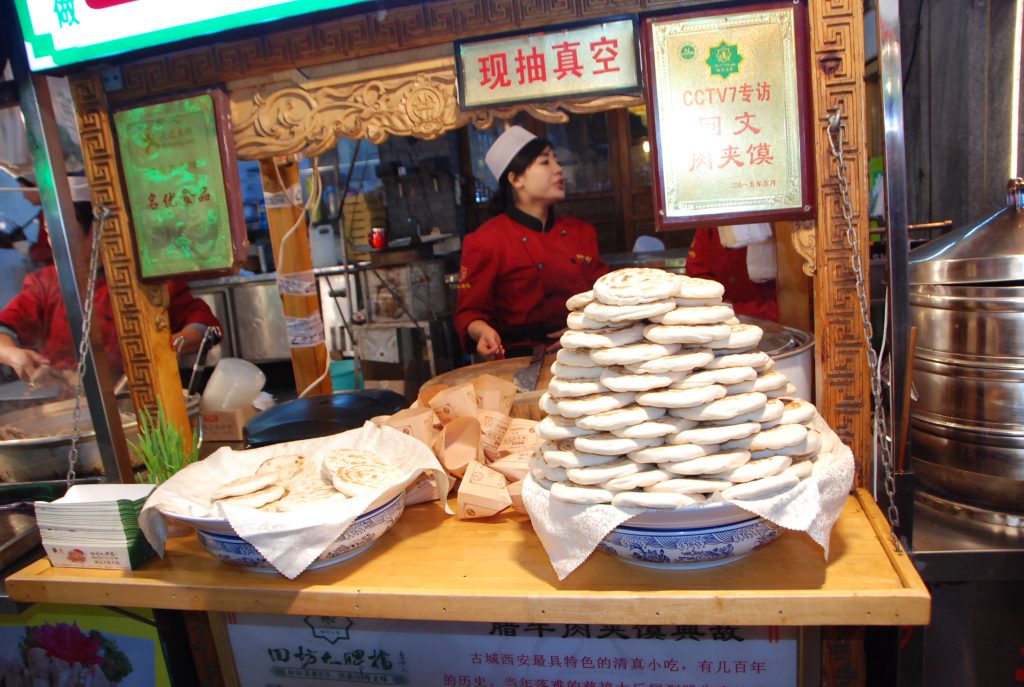
Located in the Xuanwu District near the Niujie Mosque, Beijing’s Muslim Quarter is the city’s primary destination for halal food. This area blends Hui and regional Chinese halal cuisines, with dishes like fried buns and mutton stew. Our guides will take you through the quarter’s bustling lanes, highlighting popular spots such as Niujie Halal Restaurant and sharing insights into the history of halal food in Beijing.
Gansu
Gansu, a key corridor of the ancient Silk Road, has a deep-rooted Muslim heritage. Cities like Lanzhou, the provincial capital, are renowned for their iconic hand-pulled beef noodles, a dish beloved across China. Smaller towns like Linxia, a historic hub of Islamic culture, offer a traditional taste of Hui cuisine, including spiced lamb dishes and freshly baked naan.
Ningxia
Ningxia is home to a wealth of authentic halal culinary experiences. In Yinchuan, Ningxia’s capital, halal restaurants and markets serve local specialties like lamb soup and roast mutton. Smaller towns like Guyuan also preserve rich traditions of the Hui Muslim community. Our guides can introduce you to community-run eateries with a welcoming atmosphere and opportunities to learn about the people and traditions behind the cuisine.
Shanghai
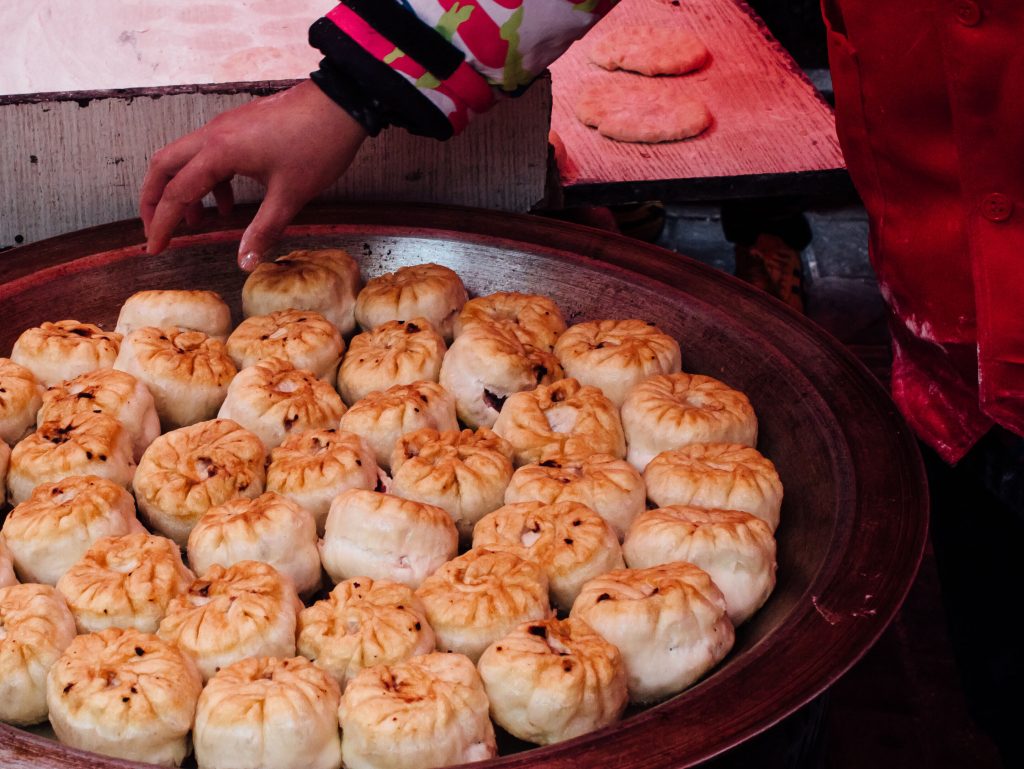
Known for its modern, cosmopolitan atmosphere, Shanghai also offers a diverse range of halal dining options, particularly in historical areas like the Old City near Yuyuan Garden, and Hongkou district. The city’s role as a historic trading hub brought Muslim traders through its ports, influencing local cuisine and introducing halal flavors. Halal street food stalls serve dumplings and fried rice, while halal eateries like Guan Guan Ji provide a warm and inviting dining experience.
Yunnan
Renowned for its cultural diversity, Yunnan is home to a significant Hui Muslim population, particularly in cities like Kunming, Dali, and Lijiang. In Kunming, the capital city, established restaurants serve steaming dishes of aromatic rice noodles. Visitors can also relax at halal-friendly tea houses in Lijiang, where a soothing tea experience awaits, or explore vibrant market stalls in Dali offering freshly prepared local snacks.
How do I identify halal restaurants in China?
Halal certification in China is managed by recognized authorities and organizations to ensure compliance with Islamic dietary laws. It is typically marked with a green logo with the Chinese characters “清真” (qīngzhēn), meaning “halal.” These certification marks are commonly displayed at restaurant entrances or on food packaging, providing reassurance that the food adheres to halal standards.

In addition to the green logo, many halal-certified restaurants also display a paper certification inside the establishment. This document, issued by a recognized halal certification authority, further confirms compliance with halal practices. If you are unsure, ask the restaurant staff to show their certification—reputable establishments are happy to provide this assurance. Our local guides can recommend halal-certified establishments and food products, giving you peace of mind during your trip.
What are some recommended halal dishes to try in China?
When exploring halal food in China, there are several must-try dishes that highlight the rich flavors and culinary traditions of the country’s Muslim communities. Here are a few recommendations:
Lamb Kebabs (羊肉串): A favorite in Hui-majority areas, these tender skewers of lamb are grilled to perfection and often served with flatbread.
Naan (馕): A staple flatbread often served with lamb dishes, naan is a key component of Hui cuisine and pairs wonderfully with a variety of halal dishes.
Yangrou Paomo (羊肉泡馍): A traditional Xi’an dish consisting of lamb soup, served with pieces of unleavened bread, soaked in broth—both comforting and flavorful!
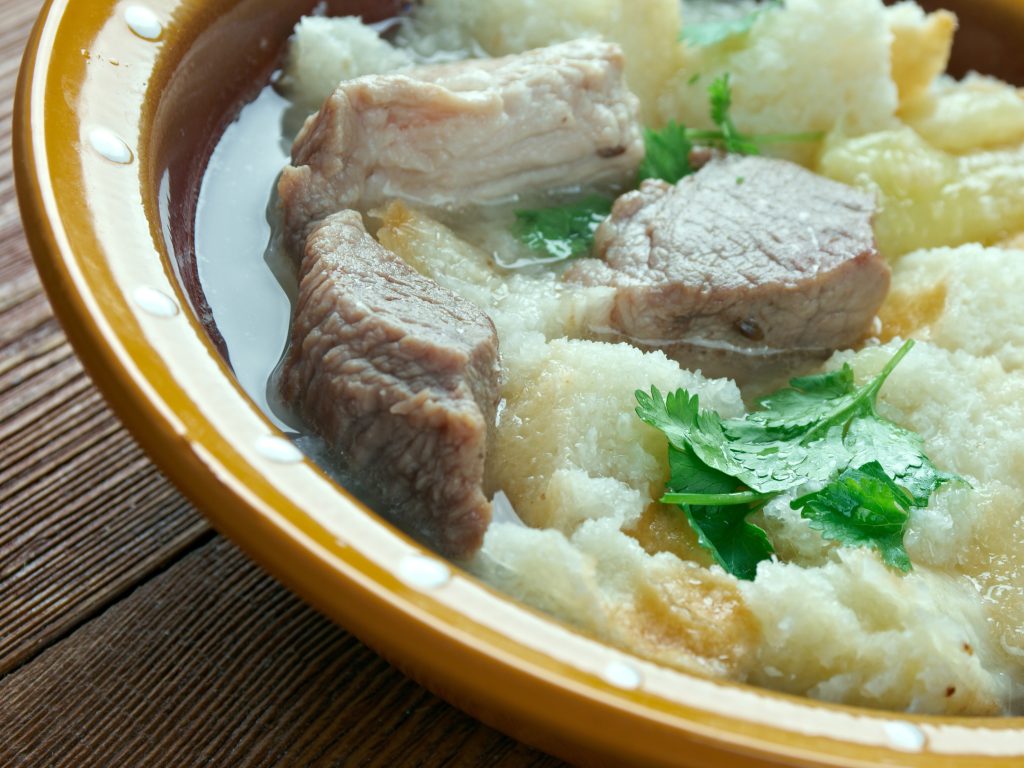
Laghman (拉面): A popular dish in Hui regions, laghman features hand-pulled noodles served with stir-fried lamb, vegetables, and a savory sauce.
Dapanji (大盘鸡): A spicy chicken dish made with potatoes, peppers, and hand-pulled noodles, commonly found in northern regions of China.
Whole roast lamb (烤全羊): A celebratory dish in Muslim communities, marinated with spices and roasted to tender perfection, often served for large groups or families at festive gatherings.
What else should I know about halal dining in China?
While halal food is widely available in major cities, it can be more challenging to find in remote areas or regions with smaller Muslim populations. If you are planning to visit less urbanized regions, it is helpful to consult with our team in advance so that we can arrange halal dining options for you.
For any further questions or to learn about halal dining options not covered in this article, please feel free to get in touch with a member of our team.
By Gabrielle Keepfer