Food and Drink
 Shopping
 Transportation
 Accommodation
 Useful Tips
 By city
 By Interests
 Pre-departure Guides
 Travel Updates

Sustainable travel extends to the memories brought home — what stays long after the journey ends — as much as where the journey leads. Shopping, too, can be part of that story. At WildChina, we believe in platforming the many creative, community-driven businesses that make up the fabric of this country. From the Tibetan Plateau to Shanghai, these are some of our favorite places to shop with purpose in China.
Yak wool clothing: Norlha, various locations
Mother and daughter Kim and Dechen Yeshi founded Norlha, the Tibetan Plateau’s first atelier dedicated to yak khullu — the precious, downy undercoat that yaks shed each summer — in 2007.
Set amid the grasslands of Ritoma Village in Gansu Province, Norlha represents a quiet but significant transition in the way Tibetan communities engage with their nomadic heritage. As the younger generation encounters a rapidly modernizing China, the traditional herding lifestyle is a path fewer choose to follow. For generations, the yak sustained nomadic families on the Plateau. Today, it continues to support the community in a new way, linking their heritage to the wider world through craftsmanship.
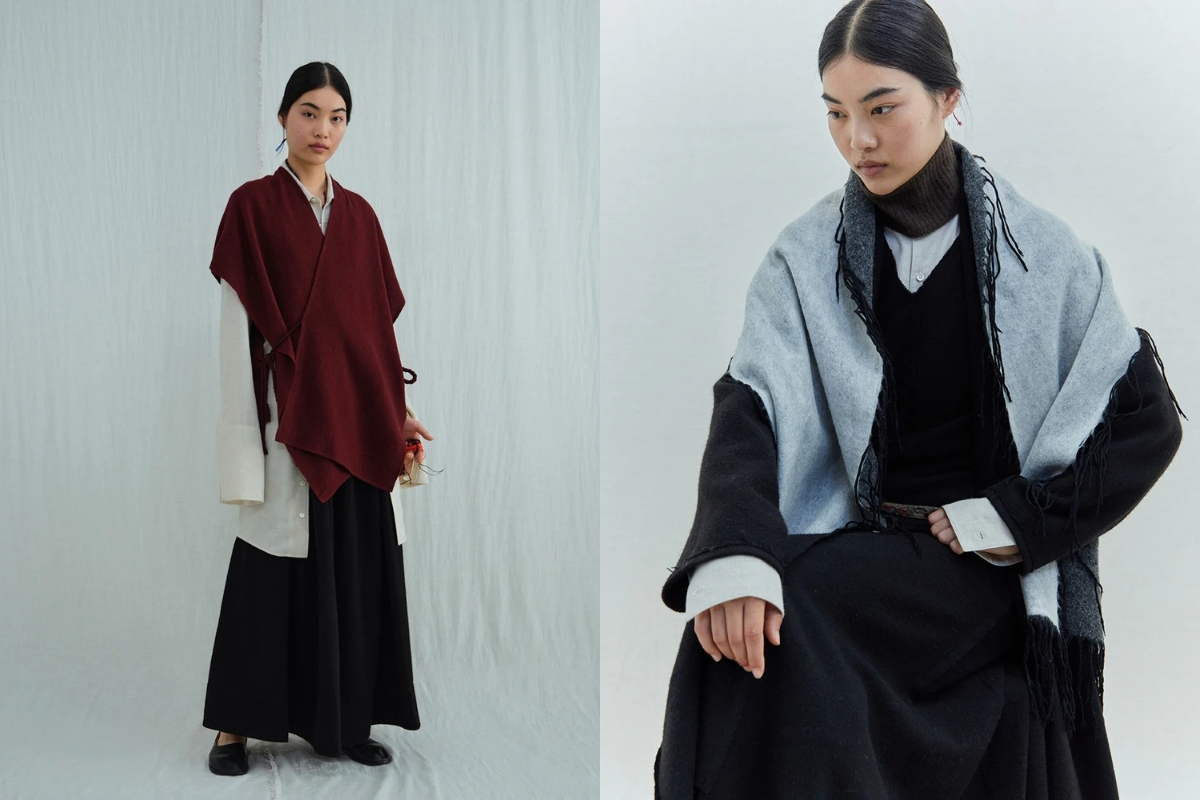
Norlha’s production is rooted in deep respect for the animal. The khullu fiber is collected only when it naturally sheds each summer, ensuring the yaks keep their protective coats and are never harmed in the process.
With care and pursuit of quality, the Norlha artisans transform this luxurious, renewable textile into scarves, accessories, and clothing. Norlha products are widely stocked in major cities across China and can be shipped internationally.
To see this transformation in context, WildChina can arrange a visit to Norlha’s atelier for guests staying at Norden Camp — its sister company offering sustainable “glamping” amidst rolling pastures where the yak still roams.
Sustainable fashion: Klee Klee & Friends, Shanghai
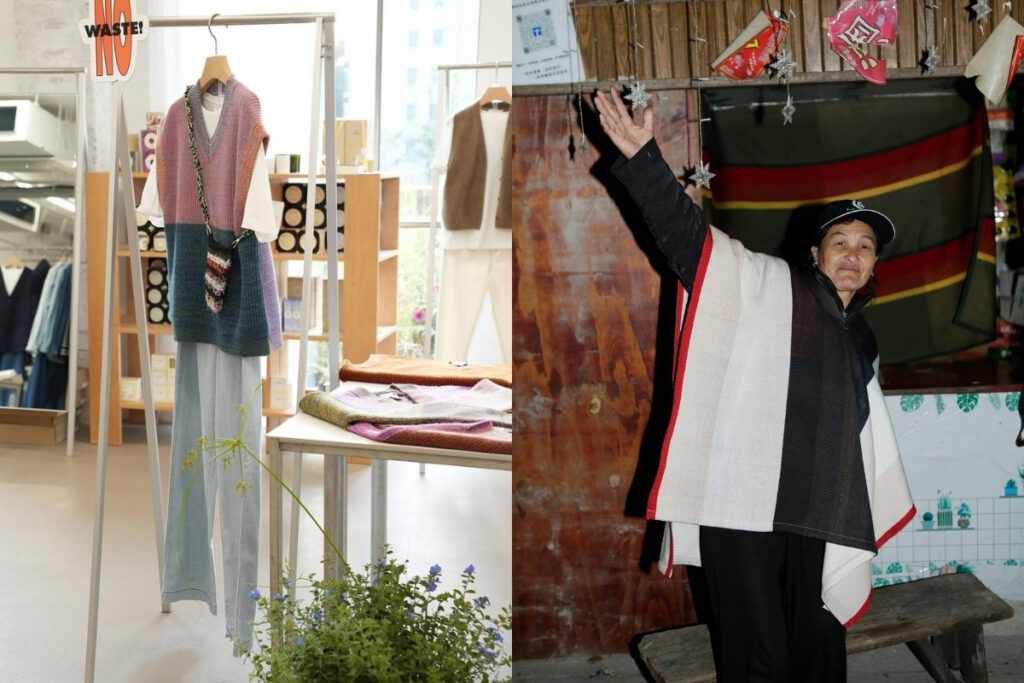
Columbia Circle is one of Shanghai’s most atmospheric heritage blocks to explore. Originally built in the 1920s as the Columbia Country Club, the site today combines colonial-era architecture, repurposed industrial buildings, and sleek new structures. This blend of old and new creates a dynamic mix of spaces for cafés and independent boutiques. A key landmark is the preserved pool at the former American Clubhouse — a reminder of Shanghai’s layered architectural history.
Tucked within a repurposed industrial building is the sustainable fashion brand Klee Klee and its affiliated projects. The second floor houses the flagship Klee Klee, offering timeless, sustainably made basics. One floor above, Naze Naze is a handwoven textile shop dedicated to the philosophy of “weaving slowly.” Over the years, Naze Naze has collaborated with 246 rural weavers across four regions in China, providing training and fair income for their work.
Bakery: Gingko House, Hong Kong
Hong Kong’s bakeries reflect the city’s long history of East–West exchange: bo lo bao (pineapple buns) with a slab of butter, peanut butter-filled “French” toasts, egg tarts, and palmiers. A visit to the city is incomplete without trying these iconic pastries. Palmiers are another local favorite that come in several flavors unique to Hong Kong. These pastries have even become a welcome sight at 30,000 feet; Cathay Pacific flights often feature a basket of palmiers made by Gingko House.
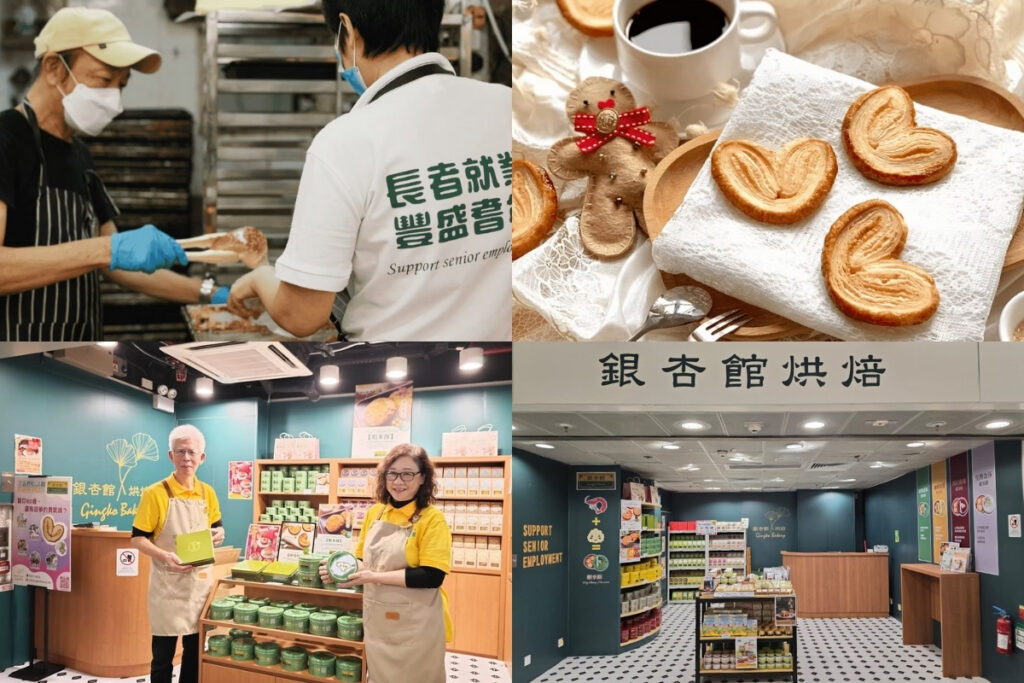
This bakery is a celebrated social enterprise that provides employment opportunities for seniors in Hong Kong — a city with one of the world’s longest life expectancies. Many older residents are redefining their later years, choosing to remain in the workforce to stay active, socially connected, and financially independent. Gingko House offers meaningful employment that helps maintain independence and a sense of purpose.
Gingko House operates bakery counters at the Kowloon Tong, Yau Ma Tei, and Hung Hom metro stations. Their palmiers and cookies travel well and make easy gifts to bring home.
Jewelry: Soft Mountains, various locations
Founded in 2017 by Ziwei Longhong, a designer of Nuosu-Yi heritage from southwest China, Soft Mountains is deeply rooted in the silverworking traditions of the Nuosu-Yi people, known for their intricate craftsmanship and symbolic use of silver in adornment. Ziwei collaborates with local silversmiths to reinterpret this heritage through a contemporary lens, creating pieces that balance cultural depth with modern design.
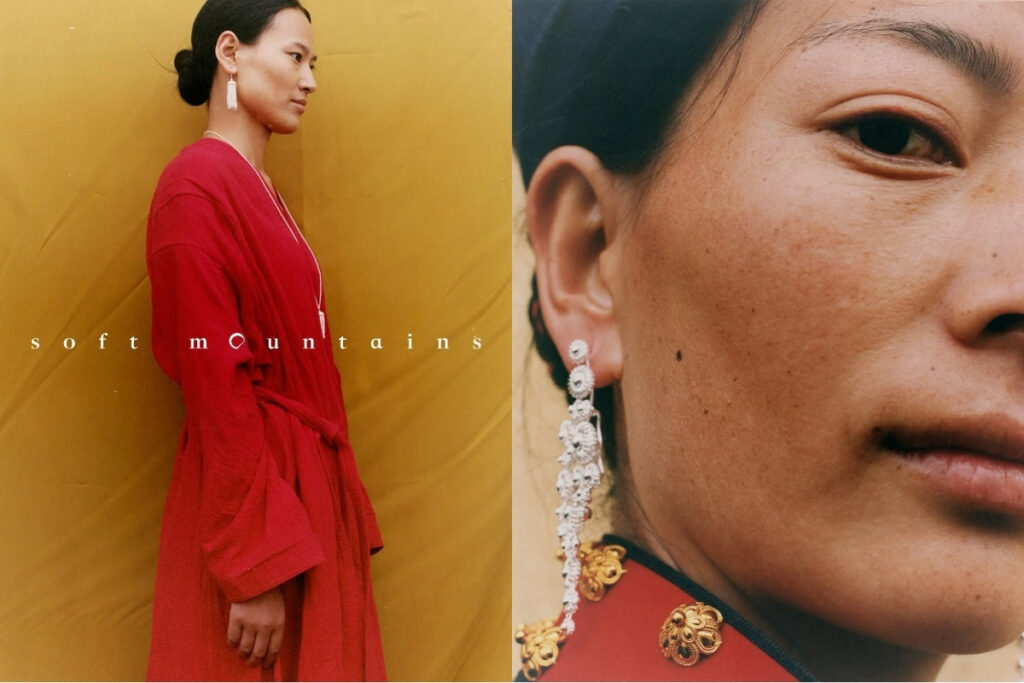
The silversmiths behind Soft Mountains come from clans where the craft of silverworking has been passed down for generations. Each artisan brings distinct techniques and inherited tools that carry deep cultural meaning.
For a closer look into their process, the brand’s video series, Back to the Roots, beautifully documents their making process. Their collections are available at stockists across China.
Handicrafts: Blue Sheep, Chengdu
Blue Sheep is a handicrafts gift shop in Chengdu that creates economic opportunities for some of western China’s disadvantaged artisans. Many of its 600 producers come from communities affected by disability, poverty, or geographical remoteness, and the shop helps them access markets they otherwise could not reach. By offering fair income and skill development, Blue Sheep supports craftspeople to become more self-sufficient while preserving their cultural heritage. Get to know the story of Hu Qianyin, a knife painting artist whose art is being sold at Blue Sheep.
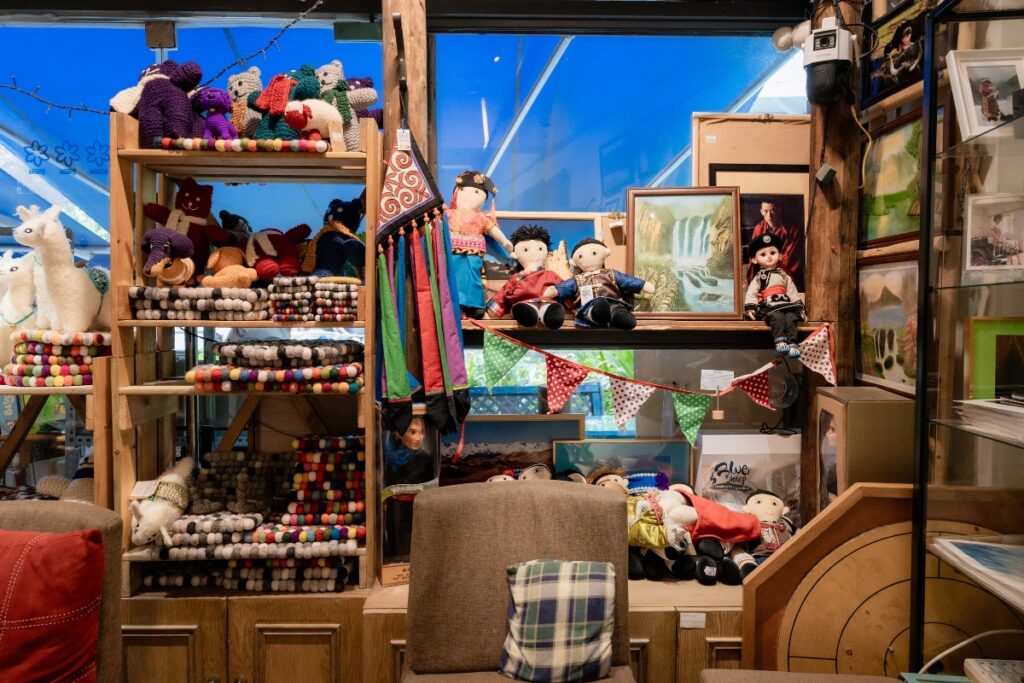
From Tibet to Yunnan, Chengdu sits at the crossroads of western China’s diverse cultures, and Blue Sheep’s selection captures this regional richness through its range of beautifully made products with purpose. From stationery and homeware to jewelry and clothing, the staff are always happy to share the story behind each piece and the artisan who made it. Every purchase directly supports an artisan’s livelihood and independence.
Travel is made up of small, lasting discoveries — a local shop, a handmade gift, a conversation with a maker. Each of these experiences offers a glimpse into a different side of China, where creativity, heritage, and community converge to create something distinctive and beautiful.
Sustainable travel requires a conscious effort, and WildChina makes it easier — connecting travelers with local makers and introducing them to inspiring communities. To learn more about WildChina’s broader commitment to sustainable travel in China, visit our sustainability page.
By Yimin Deng