Food and Drink
 Shopping
 Transportation
 Accommodation
 Useful Tips
 By city
 By Interests
 Pre-departure Guides
 Travel Updates

From the fiery mapo tofu of Chengdu to thick-skinned dumplings stuffed with cabbage and mushrooms in Harbin, plant-based cuisine takes many forms across China.
Vegetarianism is not a new concept here — it has long been part of the culinary landscape and continues to evolve in both modern cities and rural communities. Vegetarian and vegan dining in China offers a wide and growing range of options.
The roots of vegetarianism in China
Plant-based food in China has deep roots, shaped over centuries by religious practice, food philosophy, and everyday culture. While modern cafés and vegan kitchens have brought new energy to the dining scene, their foundations stretch far into the past.
The practice of zhai (abstaining from meat) dates back to 770–476 BCE, when it was associated with ritual purification. Revolutionary leader Sun Yat-sen also attempted to lead a secular vegetarian movement during the Republican era, though it gained little traction at the time.
Beginning in the Tang dynasty, Buddhism played a central role in the development of vegetarian cuisine. Within monastic life, meat-free meals were part of spiritual discipline — and the influence of temple cooking extended well beyond religious spaces. Dishes made with tofu, mushrooms, vegetables, and grains became staples in everyday diets. Some of the earliest vegetarian restaurants and cookbooks in China were established hundreds of years ago.
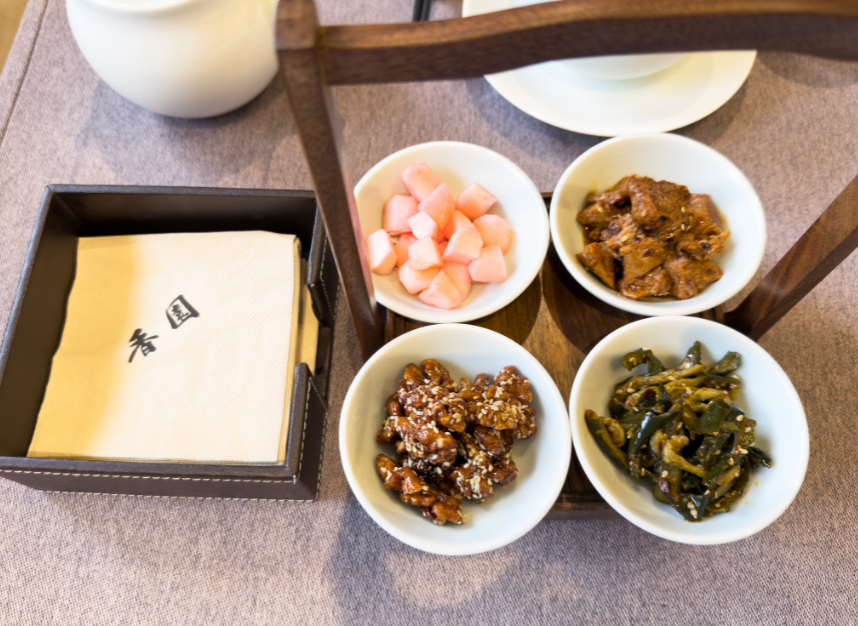
Plant-based eating in China today
Today, plant-based eating is more visible, with menus often drawing on regional ingredients and traditions to create dishes that are both nourishing and seasonal.
There’s also a growing sense of connection among those interested in plant-based living. In Dali, Yunnan Province, celebrated filmmaker Jian Yi founded the China Vegan Society to encourage awareness and dialogue. On Chinese social media platforms such as WeChat and Xiaohongshu, people share recipes, restaurant tips, and reflections on daily food choices. In Beijing, Veg Planet — a vegan lifestyle brand and community — shares recipes that reinterpret traditional dishes like yam and purple sweet potato cake.
FAQs: vegetarian and vegan dining in China
Below are some key questions and answers to help guide you in navigating vegetarian and vegan dining across China. If you have any specific requirements or further inquiries, please reach out to our team.
What are the Chinese terms for vegetarian and vegan?
When dining out, knowing the right vocabulary can be helpful. In China, translations for “vegetarian” and “vegan,” and interpretations can vary slightly. However, the most used terms are:
- Vegetarian: sù shí 素食
- Vegan: chún sù 纯素
- “Pure vegan”: chún jìng sù shí 纯净素食 — a term commonly used in Chinese Buddhist dietary contexts, referring to a form of veganism that excludes not only animal products but also garlic, onion, leeks, and alcohol.
When eating out, some useful phrases are:
- I don’t eat meat – wǒ bù chī ròu
- I eat vegetarian food – wǒ chī sù
- I’m a vegetarian – wǒ shì sù shí zhě
WildChina travelers can be assured that their dietary preferences will be clearly communicated in advance, and that suitable meals will be thoughtfully arranged throughout the trip.
How can I find vegetarian or vegan restaurants in China?
Apps like HappyCow can be useful for finding vegan-friendly restaurants, but travelers can discover even more by tapping into local platforms. Two widely used apps in China are:
- Dianping (大众点评) – A popular review app for restaurants
- Xiaohongshu (小红书) – A lifestyle-sharing platform where users post food tips, photos, and local discoveries
Which vegetarian or vegan restaurants does WildChina recommend?
With deep regional expertise and insider insight, our travel designers have many recommendations for plant-based dining experiences that reflect the character of each destination.
Here are just a few of the places our team knows and loves:
Beijing
King’s Joy (京兆尹)
A pioneer of refined vegetarian dining in China, King’s Joy has earned three Michelin stars (2021–2024) and a Green Michelin star for sustainability. It’s known for its elegant atmosphere and thoughtful presentation.
Wudaoying Hutong, Dongcheng District, Beijing 北京市东城区五道营胡同
Gong De Lin (功德林)
Beijing’s first vegetarian restaurant, founded in 1922. Famous for its meat substitutes and traditional Buddhist fare, it has received the Michelin Bib Gourmand award.
2 Qianmen East Street, Dongcheng District, Beijing 北京市东城区前门东大街2号
Original Life (本来生活)
Beloved for its handmade dumplings and nourishing soups, this cozy eatery focuses on seasonal, natural ingredients. It also comes recommended by the founder of Veg Planet.
Xintiandi Mall Building No. 3-107, Changping District, Beijing 北京市昌平区新天地购物中心3号楼107室
Shanghai
Fu He Hui (福和慧)
Located in a peaceful French Concession villa, this award-winning restaurant elevates vegetarian dining with seasonal tasting menus.
1037 Yuyuan Road, Changning District, Shanghai 上海市长宁区愚园路1037号
Zao Zi Shu (枣子树)
Also known as Jujube Tree, this long-standing vegetarian restaurant is popular with locals and has branches across the city.
258 Fengxian Road, Jing’an District, Shanghai 上海市静安区奉贤路258号
Gong De Lin (功德林)
The Shanghai sister restaurant of the Beijing original, it continues its legacy with classic Buddhist-inspired dishes.
445 Nanjing West Road, Huangpu District, Shanghai 上海市黄浦区南京西路445号
Chengdu
Mi Xun Teahouse (谧寻茶室)
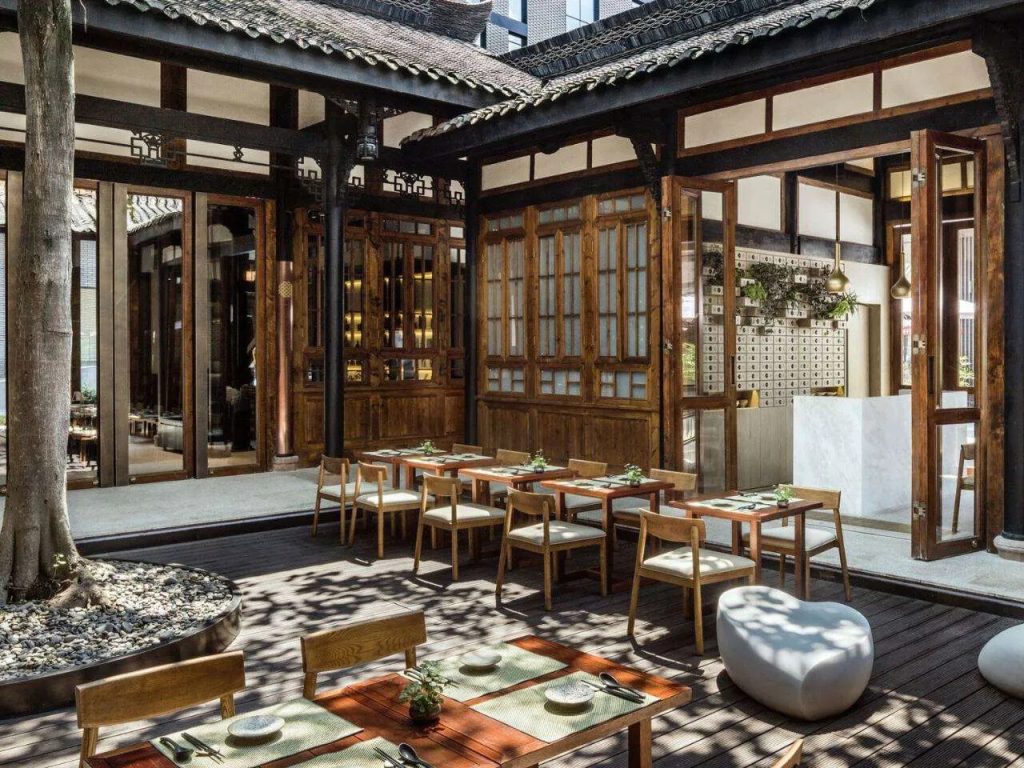
Located near Daci Temple and housed in a traditional tea house, Mi Xun offers refined Sichuan-style vegetarian cuisine and was awarded Chengdu’s first Michelin Green Star in 2025.
81 Bitieshi Street, Jinjiang District, Chengdu 成都市锦江区笔帖式街81号
Wenshu Monastery Vegetarian Buffet (文殊院)
Set within the grounds of a historic Buddhist temple, this buffet-style restaurant offers an affordable, diverse spread of plant-based dishes, including hotpot and faux meats.
66 Wenshuyuan Street, Qingyang District, Chengdu 成都市青羊区文殊院街66号
What are some recommended vegetarian or vegan dishes to try in China?
These dishes showcase just how varied and flavorful plant-based Chinese cuisine can be. Whether warming, refreshing, or full of spice, here are a few staples to look out for.
- Soy milk (豆浆): Light, creamy, and subtly nutty, freshly ground soy milk is a breakfast staple across much of China. Often served warm and unsweetened, it’s typically paired with crispy fried dough sticks (youtiao) for a pleasing contrast of textures.
- Mapo tofu (麻婆豆腐): A Sichuan classic, this dish delivers the distinctive mala sensation — the numbing heat of Sichuan peppercorns balanced with fiery chili oil and deep, fermented flavors. Vegan versions often substitute pork with mushrooms or tofu crumble.
- Vegetarian dumplings (素菜饺子): Hearty and satisfying, these dumplings are filled with finely chopped cabbage, mushrooms, carrots, and glass noodles, all wrapped in chewy northern-style dough. They’re often dipped in vinegar or chili oil for added acidity or heat.
- Yam with blueberry jam (蓝莓山药): A chilled, sweet starter featuring steamed Chinese yam with a delicate, crisp texture, topped with a sweet blueberry preserve.
For any further questions or to learn about vegetarian and vegan dining options not covered in this article, please feel free to get in touch with a member of our team.
By Olivia Zhao