Food and Drink
 Shopping
 Transportation
 Accommodation
 Useful Tips
 By city
 By Interests
 Pre-departure Guides
 Travel Updates

In China’s northeast, Liaoning is a province layered with history. For Joaquín, one of WildChina’s travel designers, it’s also the landscape of his childhood. Through recollections of old tram lines, imperial architecture, and sidewalk barbecue, Joaquín shares what this province means to him.
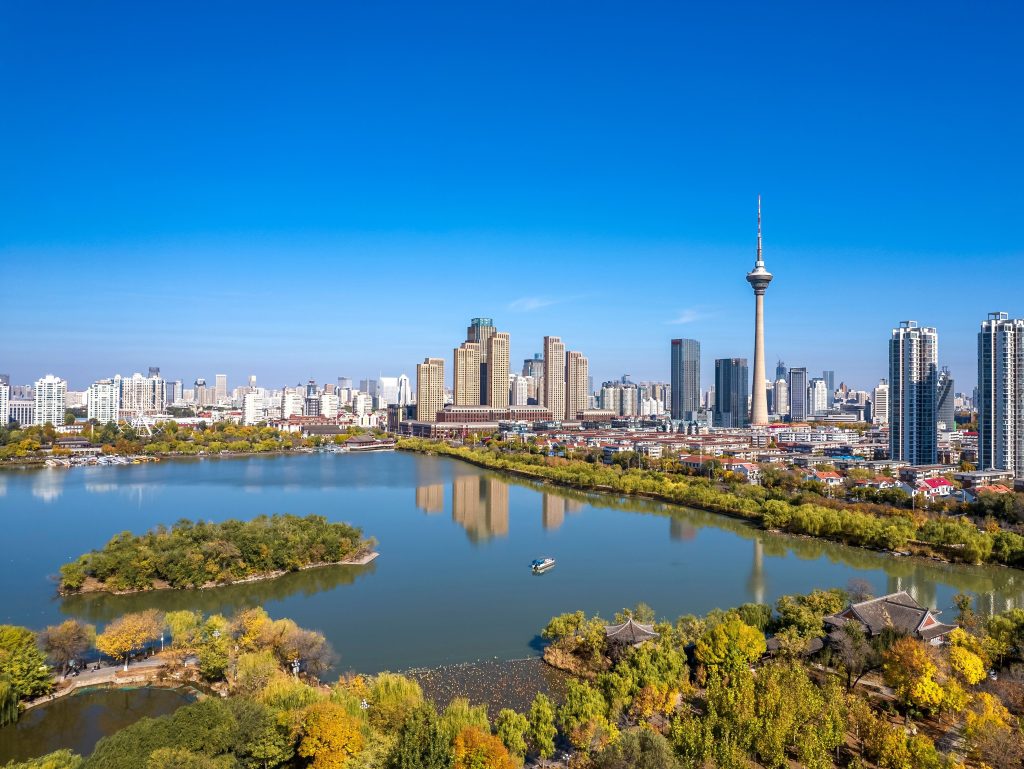
Liaoning, through a local’s eyes
Liaoning is a region where history doesn’t settle into one era. It stacks — Qing palaces beside Soviet tower blocks, Japanese-built tram lines shadowing ancient Manchu gates.
Historically, Liaoning lay beyond the Shanhaiguan Pass — the point where the Great Wall meets the sea — in a region once known as Guanwai (outside the pass). Long seen as a cultural and geographic frontier, it has served as a meeting ground of dynasties, empires, and shifting borders. Across the province, each city holds traces of a different chapter — from the imperial grandeur of Shenyang to the coal towns that powered a century of industry.
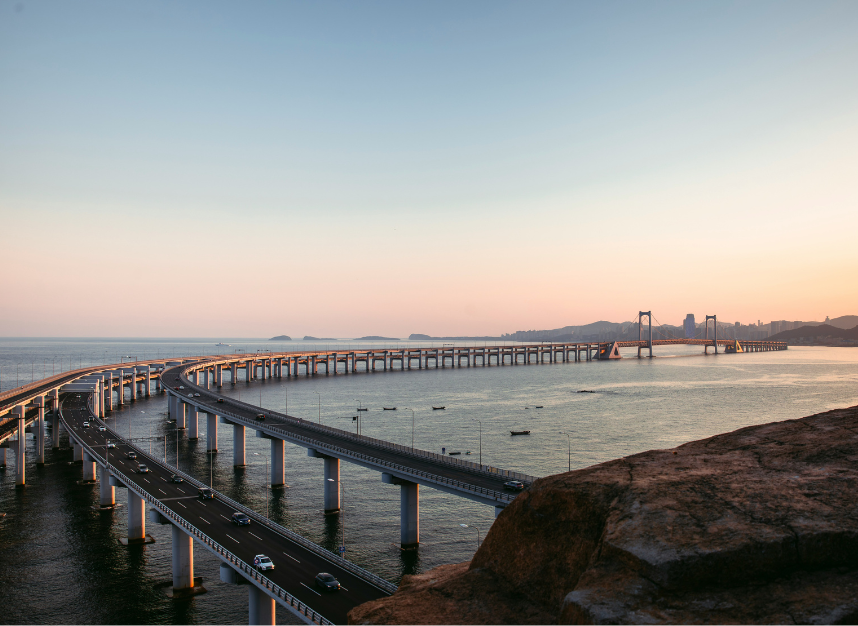
Some of my clearest memories are tied to quieter places. Summer trips to Dalian, where we’d walk along the coast eating ice cream, and school outings to Benxi Water Cave, where we drifted past rock formations in near darkness. I’m glad I grew up with that kind of natural beauty, right alongside everything the province built.
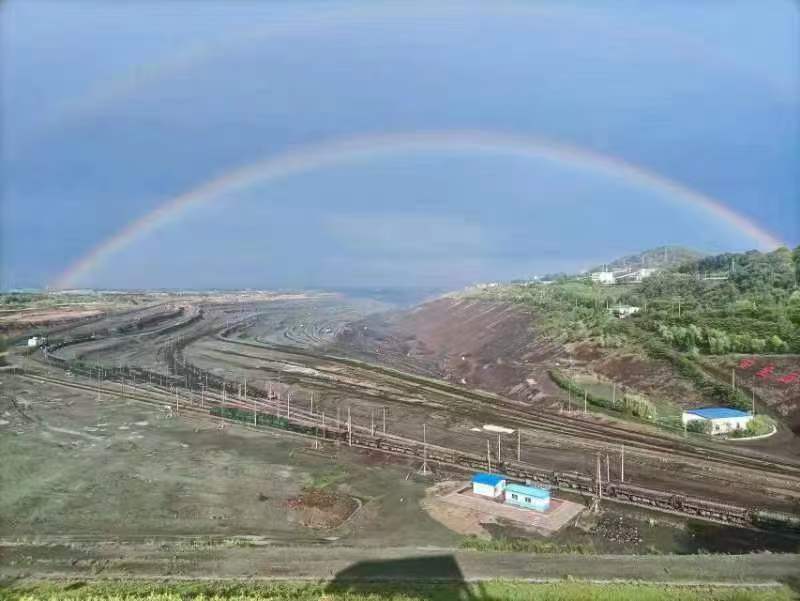
Fushun: a city built on coal
My own story begins in Fushun; a city carved from coal and steel. It’s not a place that features in travel brochures — but it’s where I’m from. For much of the 20th century, Fushun was one of China’s most important coal-mining centers. The mines shaped the city’s layout, economy, and even its identity.
Growing up, I didn’t think much about that. What I remember are the rows of low-rise apartment blocks and the sound of the tram gliding past our neighborhood in the early morning — that soft electric hum before the sun had fully risen. Built by the Japanese in the 1930s, the tram system wasn’t a long-distance railway, but a local electric line that linked the mines, residential quarters, and city center. It felt like part of the city’s heartbeat. Sometimes I’d ride it with my father from one end of the line to the other.

By the time the system was discontinued in 2008, much of the city was changing. The old mines were winding down, factories were quieter, and people were figuring out what came next. Most of the tracks have since been dismantled, but in my mind they’re still there — part of the map I carry with me.
Shenyang: a capital shaped by empire
Shenyang is the city where I spent weekends with relatives and wandered through old alleyways. As the provincial capital, it has served as a Qing stronghold, a Japanese colonial hub, and a center of Soviet-influenced development. Each era has left its mark on the buildings, streets, and rhythms of daily life.
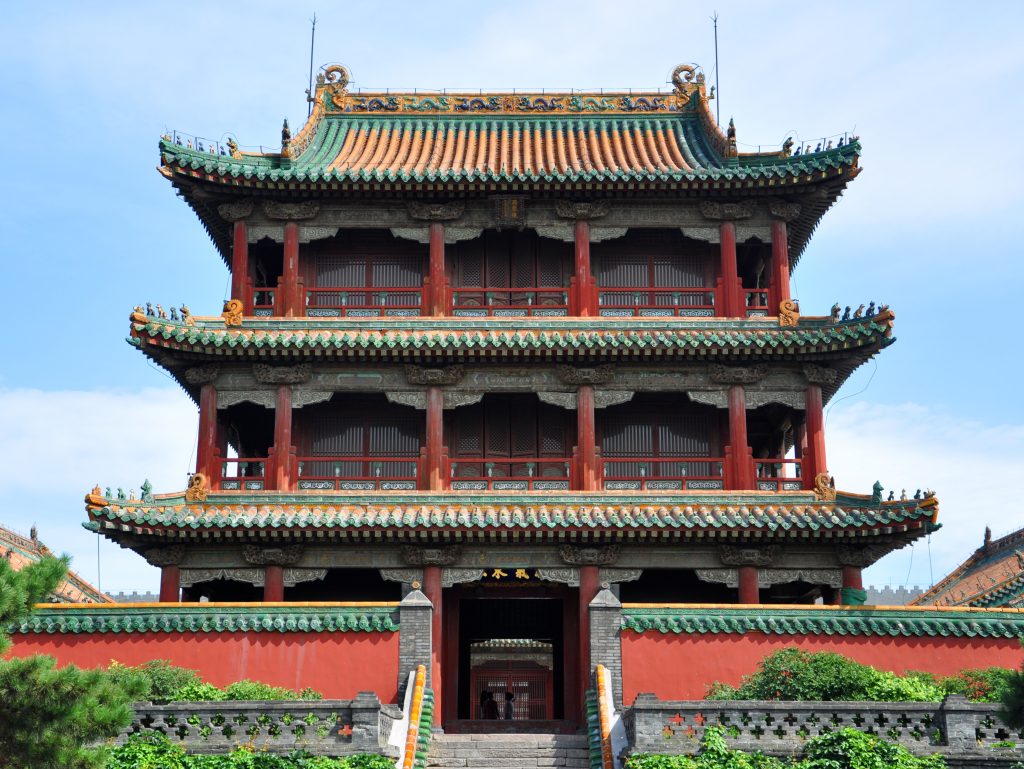
In the heart of the city stands the Shenyang Imperial Palace, a UNESCO-listed complex that once housed the founders of the Qing Dynasty. With its carved beams, painted dragons, and court layout, it feels like a more compact counterpart to Beijing’s Forbidden City — a reminder that this region was once the cradle of an empire. I remember being struck by how intact it felt.
Just a few blocks away, the landscape shifts. The old Fengtian Station (now Shenyang Railway Station) is modeled after Tokyo Station, with red brickwork and arched windows that blend Western Romanesque influence with East Asian symmetry. I used to pass it on family outings and wonder why it looked so different from other buildings in the city. Then come the Soviet-style neighborhoods: broad boulevards and austere façades. Even as a child, I could feel the contrast.
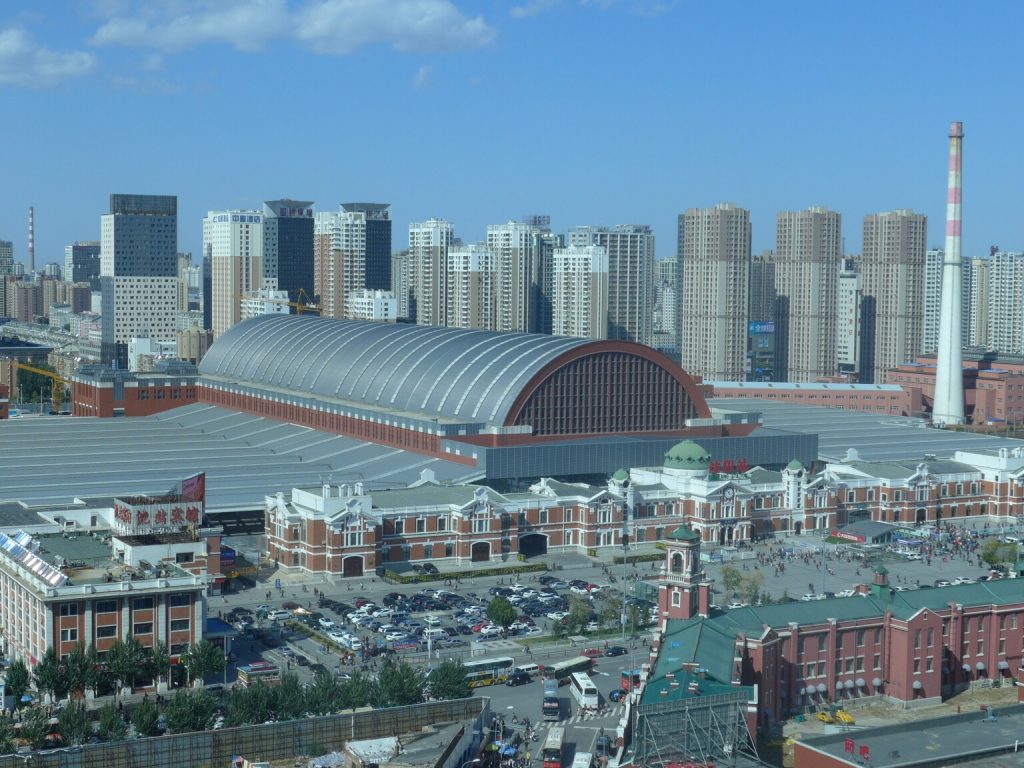
Walk through Shenyang’s old city — known locally as the “first ring” — and the layout itself tells a story. The roads feel more ordered, the spacing more deliberate, evoking the atmosphere of a former foreign concession rather than a typical Chinese city core. What fascinates me is how these layers don’t clash. They live side by side.
Flavors of the northeast
Any story about Liaoning would be incomplete without food — especially dakao (Northeastern barbecue). In a region shaped by heavy labor and long winters, grilling became not just a cooking method, but a ritual of community.
My favorite memory is of a dish locals also call jiaozi — not the dumplings found across China, but grilled chicken racks, seasoned with cumin and chili, crisped over open flames. Back when whole chickens were unaffordable and charcoal was scarce, these racks became a practical solution — and over time, a beloved local staple.
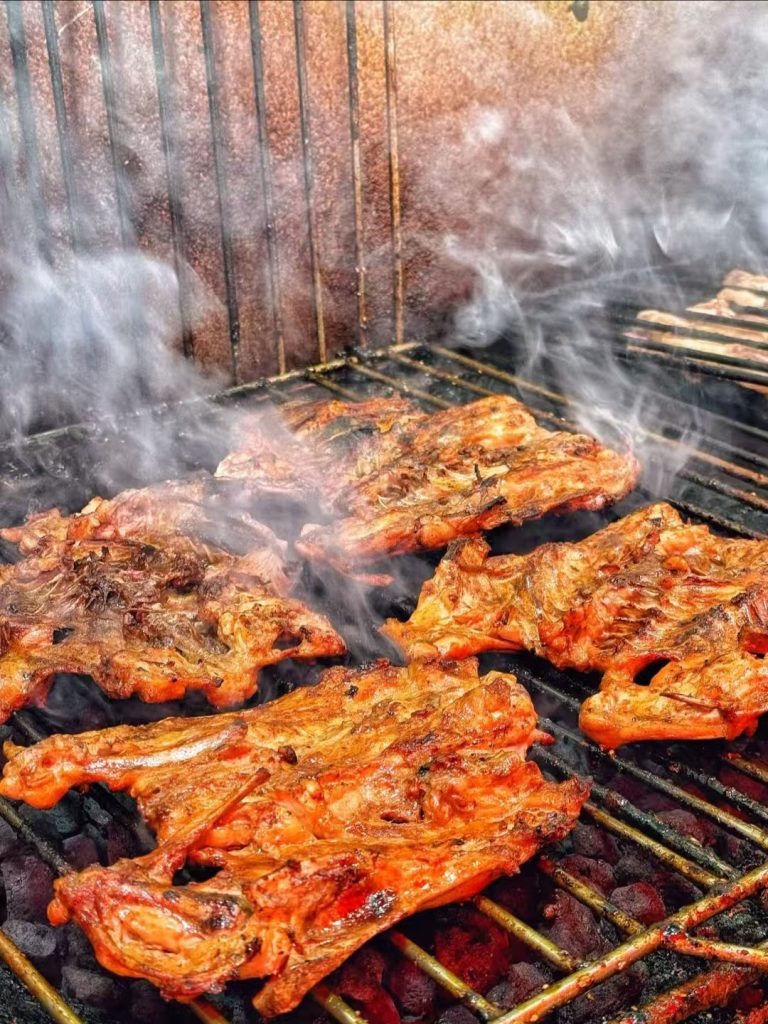
Even today, nothing captures the feel of Liaoning quite like sitting on a sidewalk stool, cold beer in hand, watching the smoke rise into the night air. To me, it’s a taste of home: humble, warming, and full of character.
Liaoning doesn’t cater to postcard expectations. But that’s exactly why it stays with you. When I go back now, I see more than just home. I see the place that shaped so much of the country’s past — and my own.
By Joaquín Yue