Food and Drink
 Shopping
 Transportation
 Accommodation
 Useful Tips
 By city
 By Interests
 Pre-departure Guides
 Travel Updates

At WildChina, we believe the most meaningful travel begins with a personal connection — a story that brings the landscape to life. Lanzhou, often seen as a gateway city to the ancient Silk Road, is rarely the first stop on a traveler’s itinerary. But for those who know it well, it’s a place where mountains, rivers, and flavors leave a lasting mark.
We asked Linda Wang, a WildChina travel designer who spent her childhood in Lanzhou, to share what the city means to her. Through memories of riverside afternoons, hand-pulled noodles, and the enduring presence of the Yellow River, Linda offers an intimate lens on a city that doesn’t ask for attention — but rewards it richly.
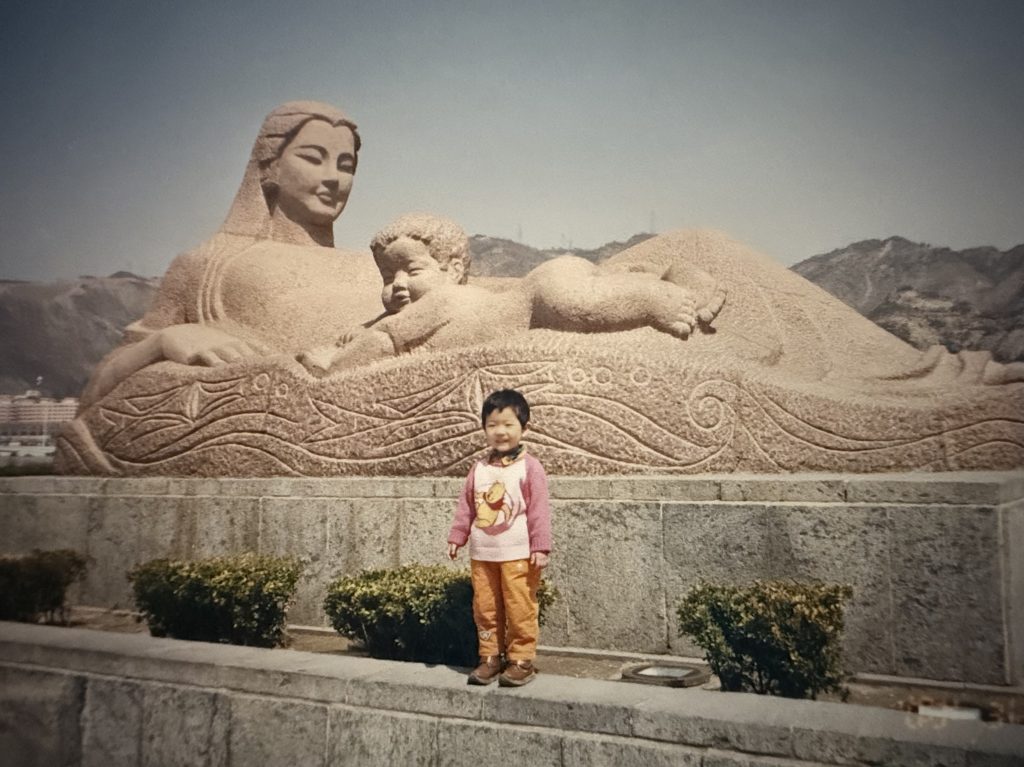
Lanzhou, through local eyes
I spent the first eleven years of my life in Lanzhou, a city nestled between two mountains and carved into two by the Yellow River. As a child, I didn’t realize how rare this geography is. It just felt natural that a river — one so vital it’s referred to as the “Mother River of China” — would flow right through the heart of my hometown.
The river that watched me grow
Many of my childhood memories live by the riverside. I used to fly kites, toss pebbles into the water, and take long walks along the banks with my family. I remember how the river’s color shifted with the seasons — a deeper, earth-toned hue in the summer after rainfall, and a clearer, more reflective surface in winter. It felt like a constant presence in our lives, a quiet guardian of the city. I only understood the science behind its changing appearance years later, in geography class. But back then, I simply thought it was magic.
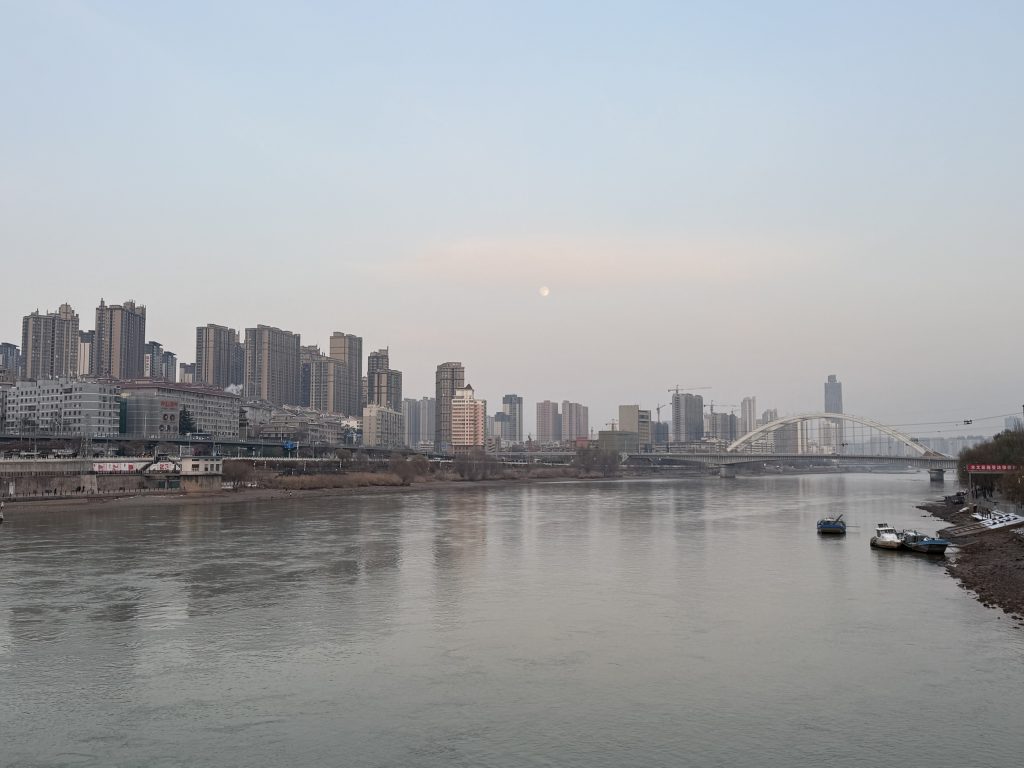
There were also the mountains — dry and wind-worn, with soft, ochre tones. They might not have had the lush greenery of southern China, but to me, they were full of quiet character. These were the first mountains I ever knew. My grandfather used to push me up their slopes in a stroller, though I’ve only heard stories about that from my parents. I vaguely recall asking why there were so few trees. He didn’t answer, just kept pushing. After he passed away, I stopped going up into the hills. I think I was afraid that new memories might somehow replace the ones I had of him.
The taste of home: Lanzhou beef noodles
When I think of Lanzhou, though, I think most often of the food. Lanzhou beef noodles are the pride of the city. They can be found everywhere — in tiny neighborhood shops and bustling restaurants, at any time of day. Some noodle houses never close, which still brings me comfort. It means that no matter the hour, no matter what’s going on in life, a warm bowl is always waiting somewhere in Lanzhou. Even now, after living in Chengdu for thirteen years, I find myself searching for the perfect bowl. That blend of hand-pulled noodles, rich broth, and thin-sliced beef is, to me, the flavor of home.
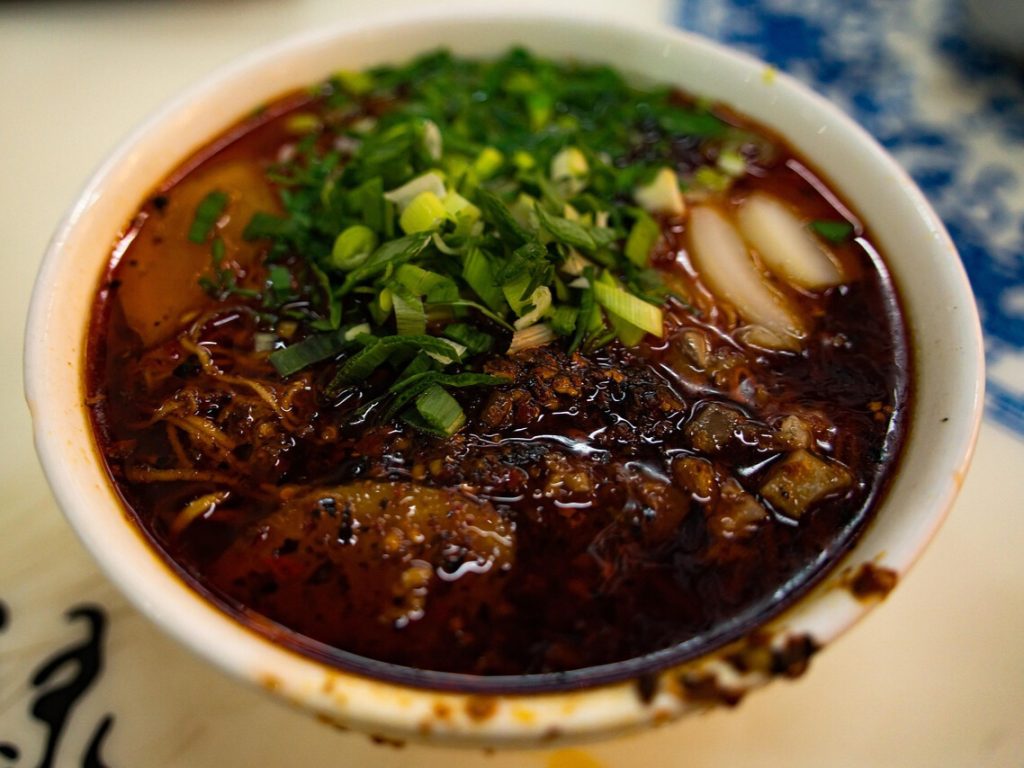
For travelers visiting Lanzhou for the first time, starting the day with beef noodles is a rite of passage. Locals often eat them for breakfast, and the best places tend to fill up early. If there’s a line of people waiting outside — that’s usually the surest sign of a good bowl! A few of my personal favorite noodle shops include Jin Qiang Beef Noodles, where the broth is always clear and comforting, and the noodles have that perfect bite; Mo Gou Yan, a small, slightly hidden shop where the chili oil has just the right kick and the beef is always tender; and Ma Zi Lu, one of the city’s older, more traditional spots, where the flavors feel deeply rooted — the kind of place where every bowl tastes like it’s been made the same way for decades.
Snacks and sweet treats
Beyond beef noodles, Lanzhou’s street food scene is full of nostalgic comfort. I have fond memories of Niang Pi Zi — also called Rang Pi Zi — a chewy, cold starch noodle dish often topped with fiery chili oil and slices of wheat gluten. Locals sometimes eat it as a main meal, especially in summer, when the city air turns dry and warm.
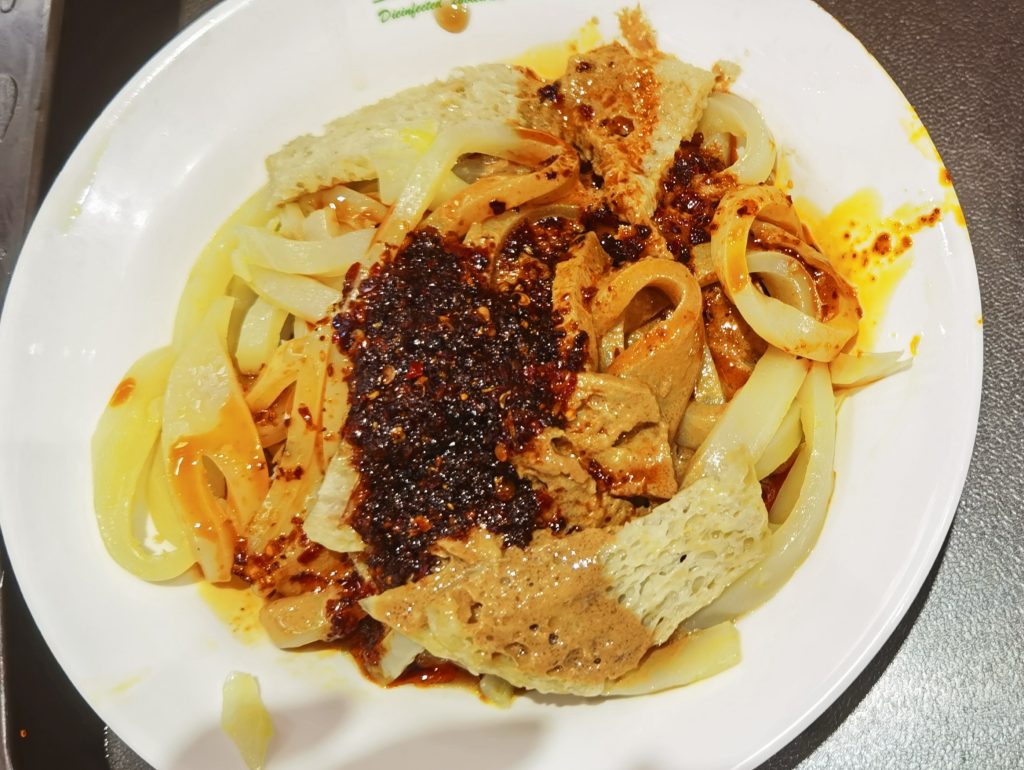
Then there’s Hui Dou Zi, a thick mung bean pudding often eaten as dessert. On cold winter days, that gentle sweetness warms not just my body, but my mood too.
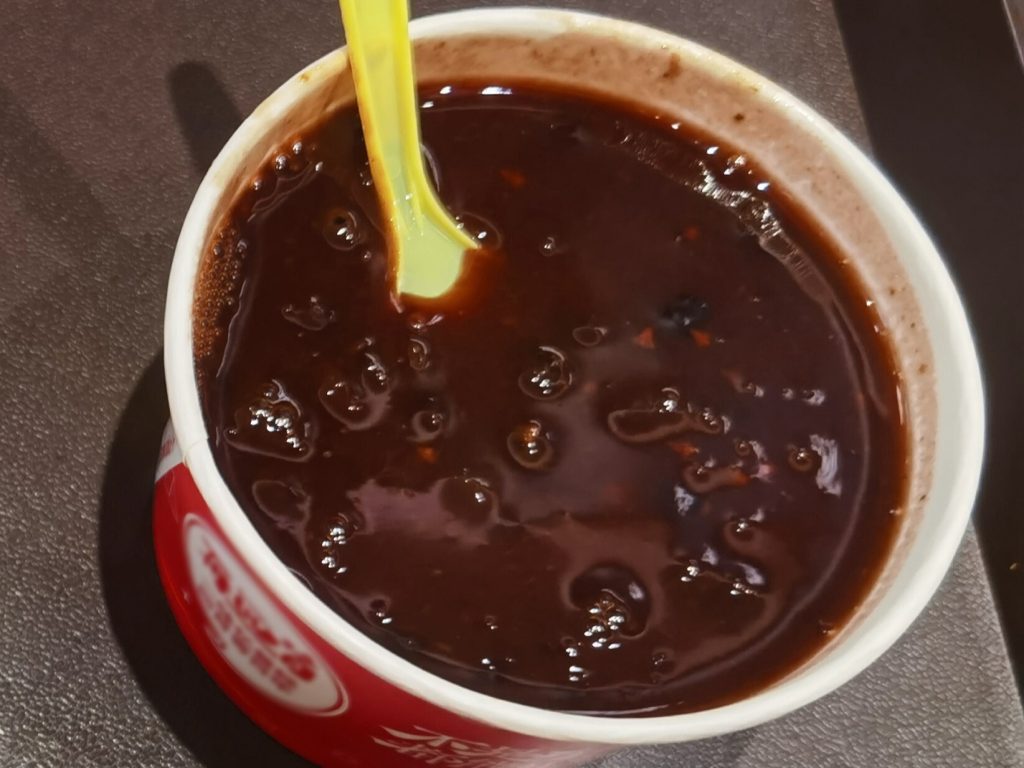
My favorite treat, though, might be Tian Pei Zi — a jelly-like dessert made from sweetened pea starch. Served cold and only lightly sweet, it has a smooth, delicate texture that’s incredibly refreshing on one of Lanzhou’s hot, dry afternoons. For all these local flavors — Niang Pi Zi, Hui Dou Zi, and Tian Pei Zi — I often recommend Zai Hui Shou, a restaurant that’s grown from a humble corner shop into a local favorite. I used to visit it weekly as a child, and I’m happy to say the flavors haven’t changed.
Along the Yellow River
But Lanzhou isn’t just about food. Walking along the Yellow River is one of the simplest, yet most memorable ways to experience the city. Start near Zhongshan Bridge, the city’s iconic iron bridge built in the early 20th century, and follow the riverside paths that curve gently alongside the water. Along the way, elderly couples dance to music, children zip by on scooters, and vendors sell snacks and small toys from pushcarts. The path eventually leads to the Yellow River Mother sculpture — one of Lanzhou’s best-known landmarks representing the river’s nurturing role.
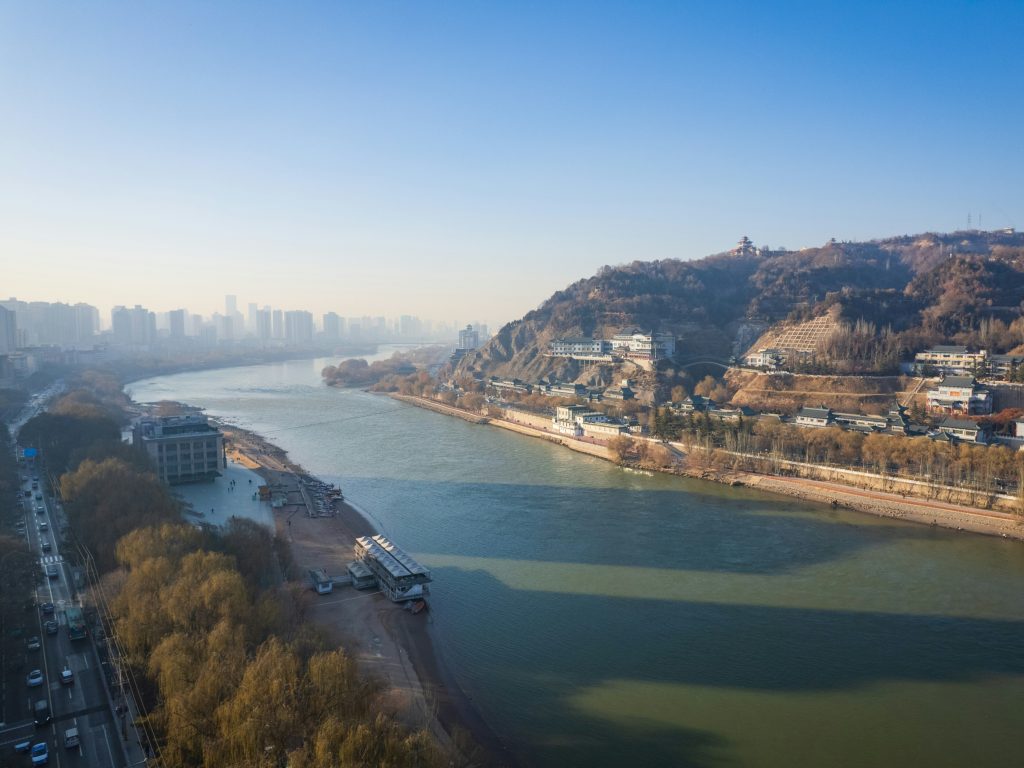
For those seeking adventure, I recommend traveling the river by traditional sheepskin raft. These were once used to carry goods across the river — simple wooden frames tied to inflated sheepskins. They’re not fancy, and they bob more than expected, but there’s something special about quietly drifting along the same waters traders once crossed.
Beyond the city
For visitors with time to spare, the Lanzhou Binhe Road Greenway on the outskirts of the city offers an easy escape for riverside cycling, while Baita Mountain Park provides panoramic views over the river and skyline. Just one tip — Lanzhou’s air is famously dry, so it’s worth packing some moisturizer and lip balm.
These days, when I return to Lanzhou, I often retrace the same familiar steps: the noodle shops that still bustle with morning crowds, the quiet bend in the river where I once flew a kite, the old streets that smell faintly of vinegar and beef broth. So much has changed, but the feeling of the city is still there. And with every bite, every breeze off the water, I find myself transported — not just to a place, but to a time.
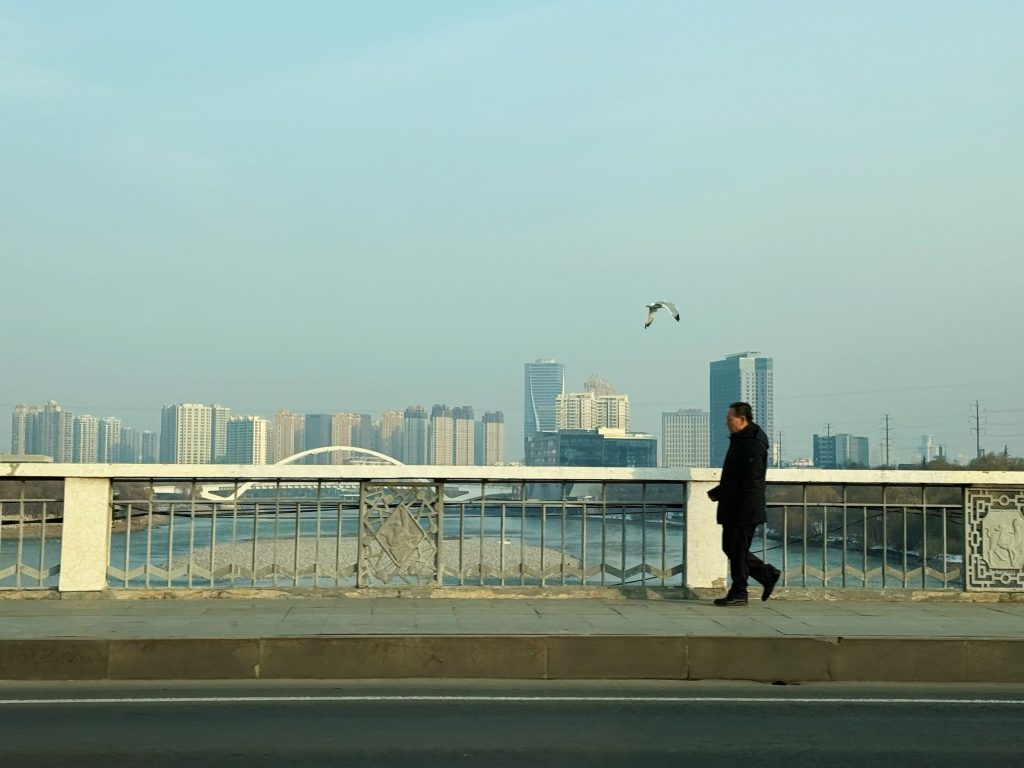
It’s a feeling I hope others can experience, too. There’s something grounding about Lanzhou — something quietly beautiful in its flavors and landscape. I’m always excited to share it, because even after all these years, it still feels like home.
By Linda Wang