Food and Drink
 Shopping
 Transportation
 Accommodation
 Useful Tips
 By city
 By Interests
 Pre-departure Guides
 Travel Updates

This October, UN Tourism announced the winners of its Best Tourism Villages 2025 initiative, a program honoring rural destinations that safeguard culture, nature, and community life.
Among the 52 villages recognized globally, four are in China, each offering a glimpse into how heritage and sustainability thrive side by side.
Remarkably, this year’s award ceremony took place in Suzhou in Zhejiang province — a fitting setting to celebrate rural revitalization in China, where ancient wisdom continues to shape modern development.
Huanggang Village, Guizhou
Tucked deep within the forested hills of southeastern Guizhou, Huanggang is an 800-year-old Dong village where daily life still follows the ways of its ancestors. Timber drum towers rise above misty rice terraces and stilted wooden homes, while glutinous rice — the lifeblood of the community — grows in more than twenty local varieties.
Life here unfolds through song and ceremony. Festivals fill the air with choral voices, silver glints in the hands of artisans, and intricate embroidery keeps ancestral stories alive. Today, villagers share these traditions through heritage workshops and eco-friendly guesthouses, offering travelers a window into a community where culture and nature sustain one another. Recognized by UN Tourism for its living heritage and sustainable tourism model, Huanggang stands as proof that preservation can flourish quietly, rooted in respect for the land and the people who call it home.

Digang Village, Zhejiang
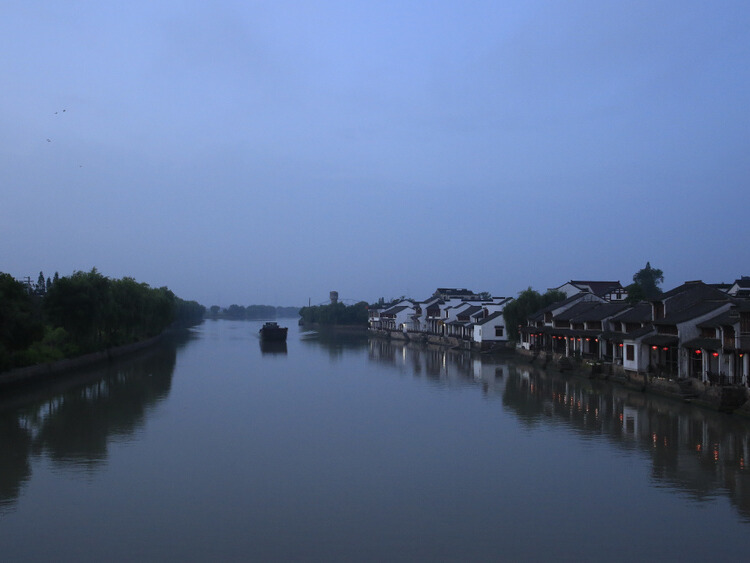
Set on the southern stretch of the Grand Canal, Digang has lived by silk and water for more than two millennia. Its renowned Mulberry-Dyke and Fish-Pond System remains one of China’s oldest ecological models — a circular balance where mulberries feed silkworms, silkworm waste nourishes fish, and pond silt enriches the soil.
Today, families in Digang welcome visitors into this living system through hands-on study tours, weaving workshops, and community-run homestays. Women lead much of this work, connecting the village’s agricultural heritage with environmental education. Here, sustainability is a shared way of life.
Jikayi Village, Sichuan
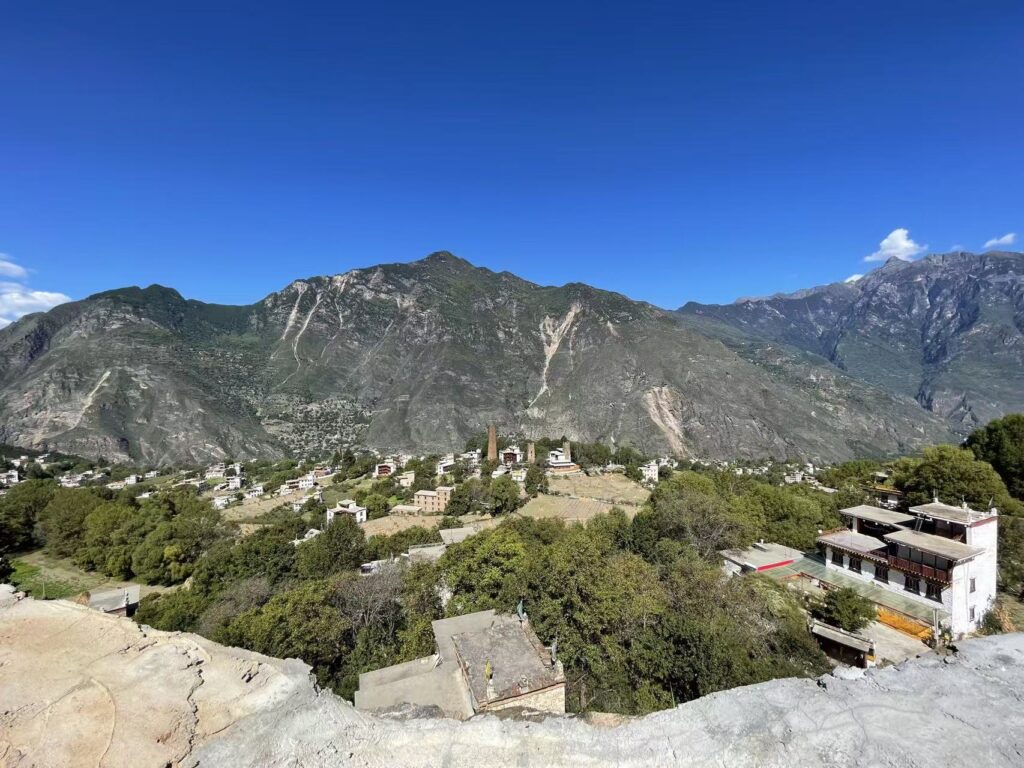
High in the mountains of Danba County, Jikayi sits among mist-covered canyons once crossed by caravans on the ancient Tea-Horse Road. Known as the “Tibetan Village in the Clouds,” it preserves the living heritage of the Jiarong Tibetan people — from centuries-old watchtowers to the rhythms of mountain farming.
Women play a central role in this renewal, leading cultural performances, crafts, and homestays that weave heritage into daily life. At the Denglong Yunhe Forest School, villagers and visitors come together to learn about ecology, architecture, and conservation. In Jikayi, tradition is not kept behind glass — it breathes in every story, song, and tower that touches the sky.
Dongluo Village, Jiangsu
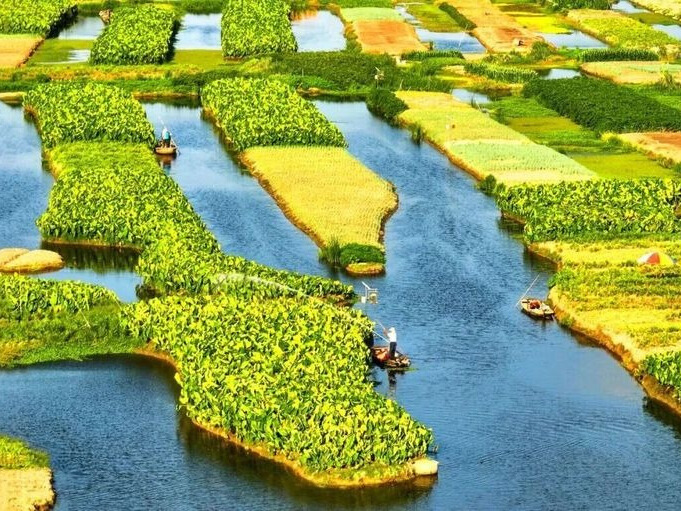
In the wetlands of Jiangsu’s Lixia River region, Dongluo has practiced harmony between people and nature for over 600 years. Its ingenious duotian (stacked field) system, where vegetables grow above and fish and shrimp thrive below, earned the village global recognition as both a Globally Important Agricultural Heritage System and a World Irrigation Engineering Heritage site.
Through shared conservation and community-run tourism, villagers protect their wetlands while creating new livelihoods. Festivals and farm-based experiences invite visitors to explore this water-land world, where sustainability flows naturally from field to family.
Across these four villages, what stands out is the balance of culture, ecological practice, and community-based tourism — a reflection of China’s diverse rural destinations and leadership in sustainable tourism.
At WildChina, we share this commitment to sustainability — learn more on our Sustainability page.
By Elena Shlykova