Food and Drink
 Shopping
 Transportation
 Accommodation
 Useful Tips
 By city
 By Interests
 Pre-departure Guides
 Travel Updates

After falling in love with Songyang and the people who call it home, our Managing Director Kendra Tombolato put together this Songyang Travel Guide to help more travelers discover one of Zhejiang’s lesser-known corners.
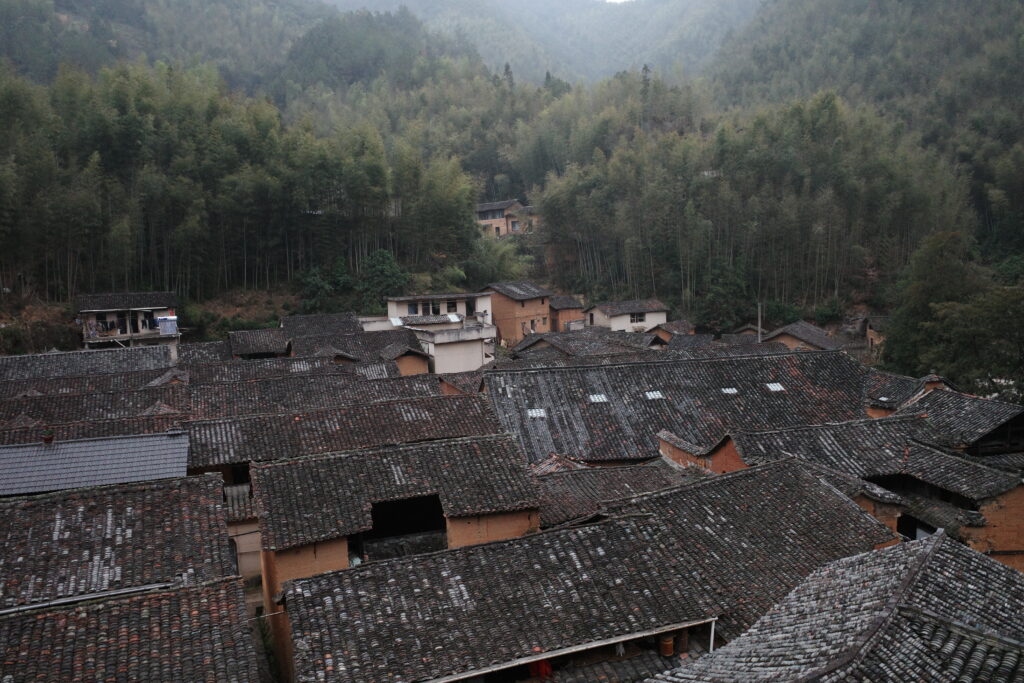
See
Songyang town
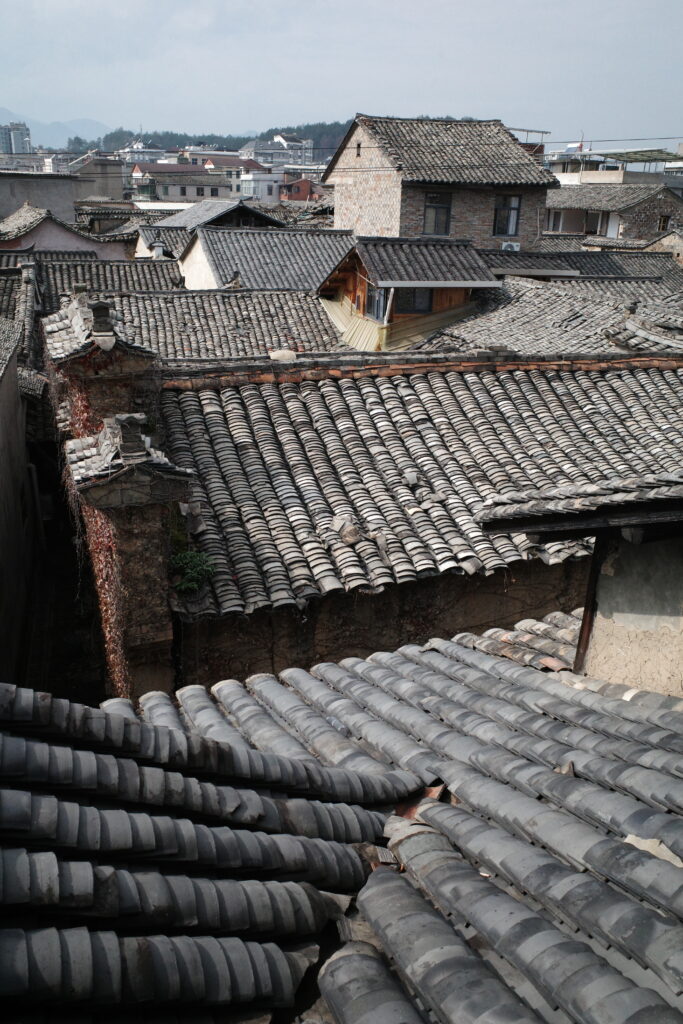
With a population of over 200,000 people (at time of writing), Songyang seems too big to be a town yet too small to be a city, especially by China’s standards. But the polished facade of a 5-star hotel and the earth-toned apartment clusters punctuating the horizon, most built within the last decade, begin to skew things toward to the latter. Or, at the very least, they tell you Songyang is looking to the future.
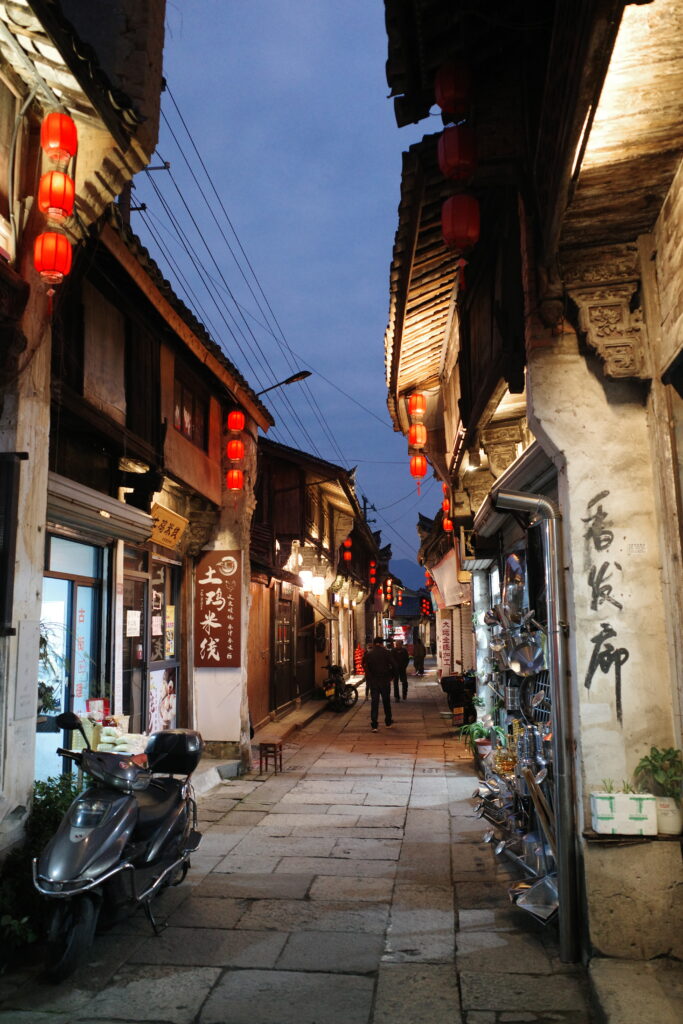
Part of that future, is keeping the most historic part of the city, Songyang’s Old Street (松阳老街), not only preserved, but alive. While the designated old street itself is only a kilometer or so long, the small alleyways that trail off each side are well worth a wander as well. “Living” is the only adjective that can fully give the area justice. On one side of the street a woman gets her hair dyed while gossiping with her hairdresser, on the other side, a man reclines in a dental chair while a dentist peers into his mouth. Further along, more hair salons (really, a surprising amount); several iron-workers selling all manner of household items, everything from watering cans to tea flasks to cleavers; a handful of boutique clothing stores, including one selling knitwear where a circle of aunties casually knit together in-store; countless tea shops; and of course, much, much more.
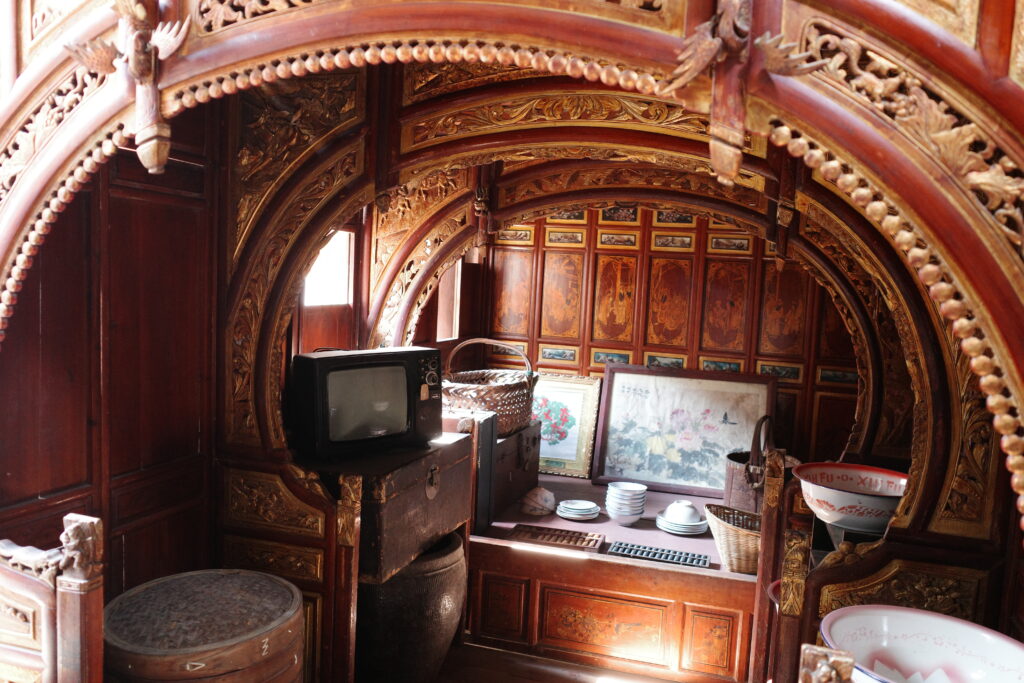
It would be remiss not to mention the sprinkling of trinket shops as well, though these are far and few between (for now). They may, however, be more than they seem. One in particular appears to sell fake antique coins and small touristy keychains street-side, but a few steps inside and the store reveals a whole world of carefully collected and displayed antiques including two museum-worthy wooden canopy beds, Mao-era posters, and a whole multi-room assortment of framed flora and fauna from one naturalist’s collection.
Just north of the old street, Renmin Street (人民大街) is also worth an amble, full of local shops selling everything from shoes, to insulated pajamas to custom chops. A loud bang and some ensuing smoke from the first bisecting street on the right indicates that the local popcorn uncle has his rig set up for the day.
For history enthusiasts, east of the old street sits a Ming-dynasty commemorative gate (詹宝兄弟进士牌坊) given to top-tier imperial scholars the Zhan brothers, as well as some nearby ancestral halls.
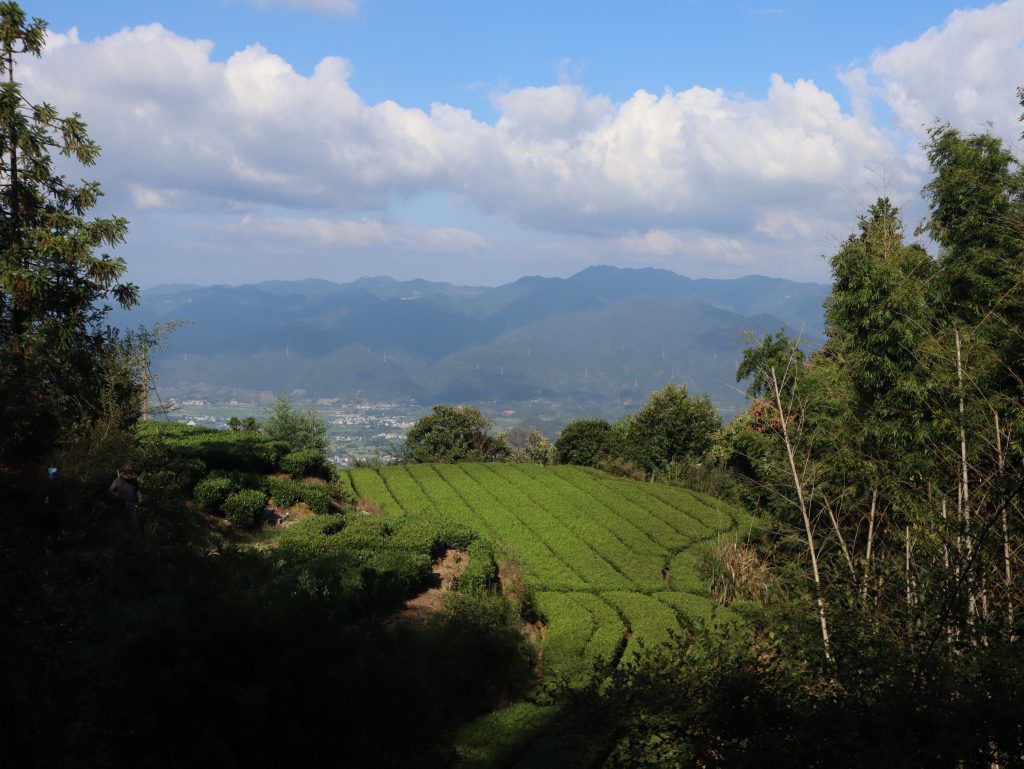
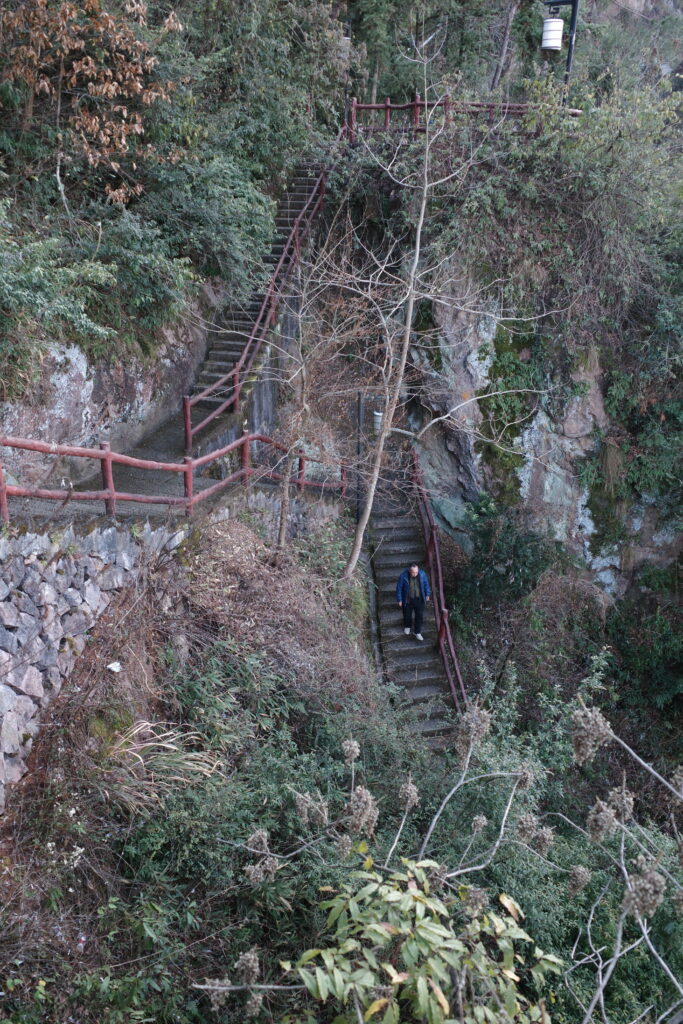
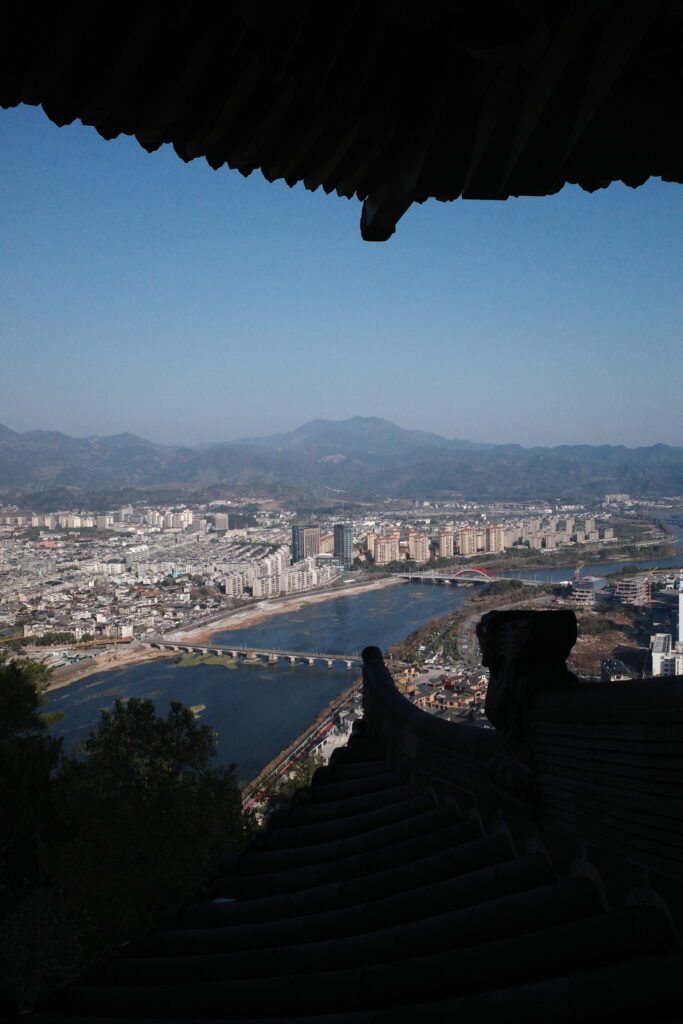
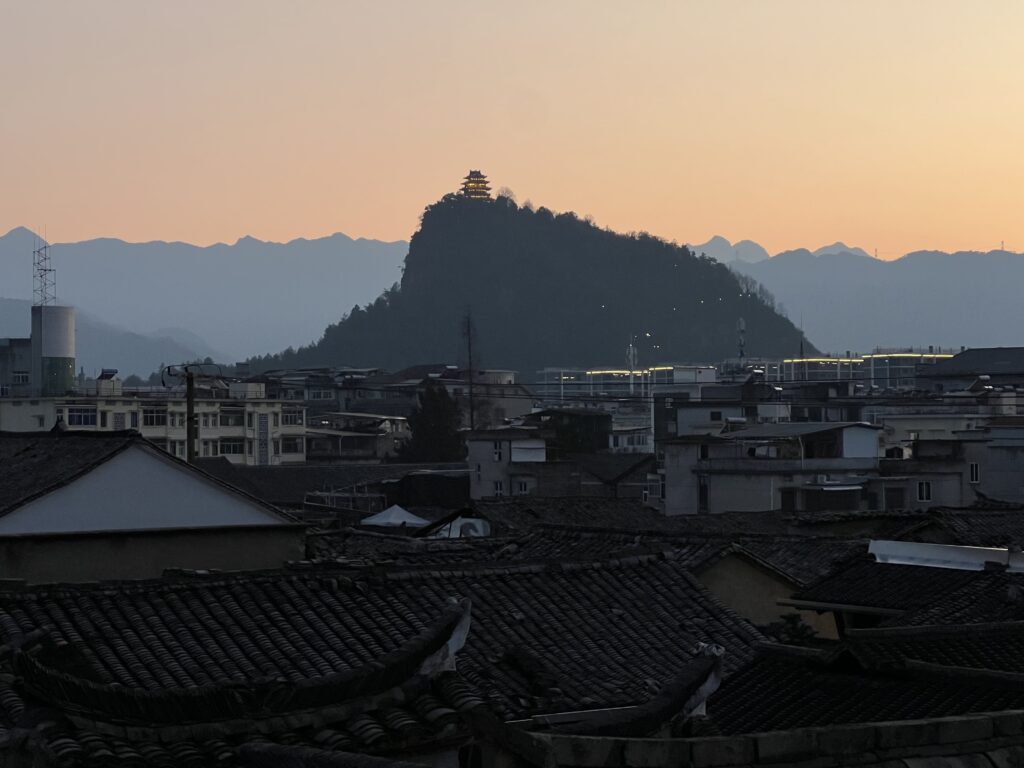
Songyang sits on a plain surrounded by mountains, split down the seam by a wending river. In the middle of this flat expanse one unruly hill juts forth, a natural point of fixation from anywhere with a vantage point. The locals see in this hill a likeness to a certain amphibian and affectionately call the hill Toad Mountain (独山). The hill itself can be scaled by one of two paved and stepped routes. At the top is a three-tiered viewing pavilion offering 360-degree views out over Songyang and the surrounds.
If visiting during the spring, Zhejiang South Tea Market (浙南茶叶市场) is an absolute must-see to fully understand the scale and importance of the area’s historical and modern tea economy. The market itself is the largest green tea marketplace in China, drawing in sellers from all over the region and buyers from across the country. In peak season, upwards of 132,000 pounds of tea moves through the market in a single day.
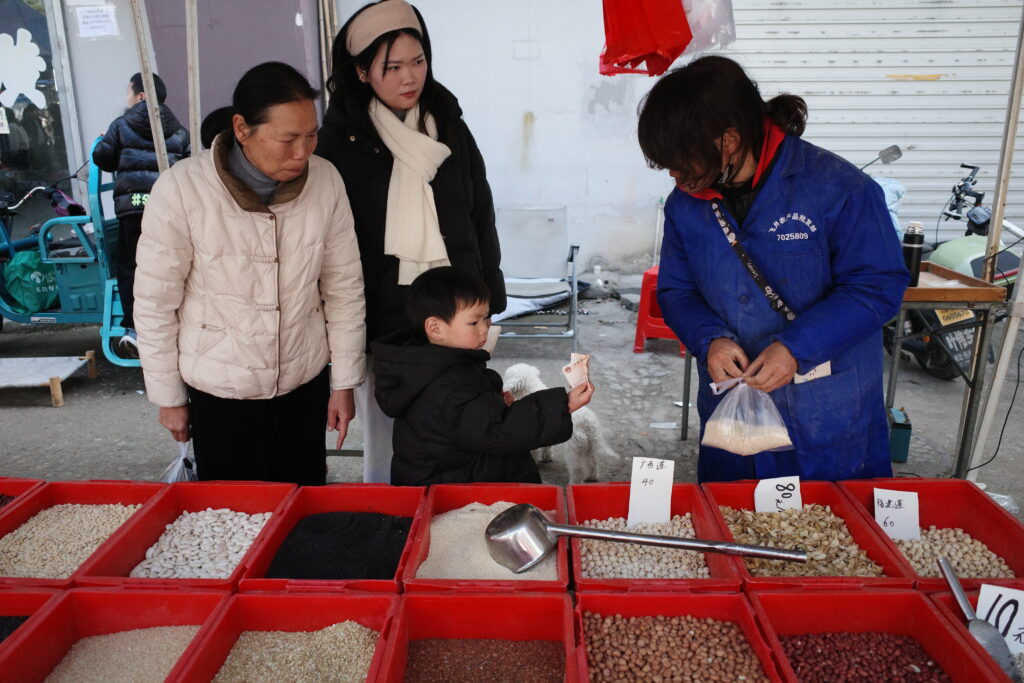
There is also a local wet market selling meat and produce which is well worth a visit for those interested in such. The market happens on lunar calendar dates ending in 1 or 6 and sits in the inner block of buildings between Changsong East Road (长松东路), Yashan Road (雅山路), and Longli Street (龙丽线).
Surrounding villages
Songzhuang (松庄)
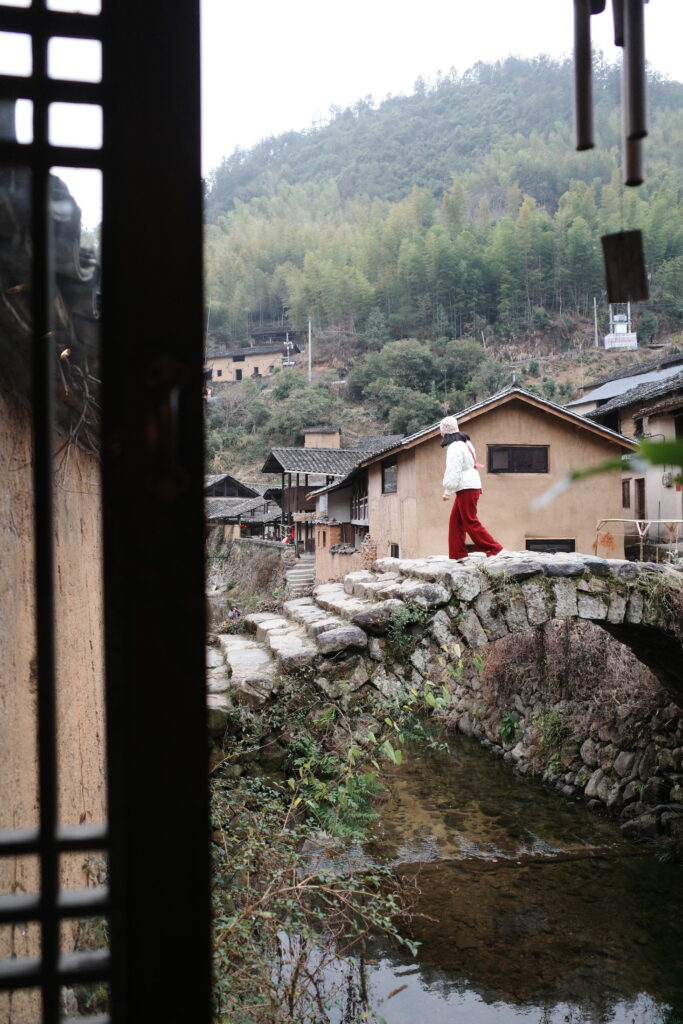
There’s a saying in Chinese, 不到长城非好汉, which roughly translates to “you’re not a true (wo)man until you’ve been to the Great Wall”. The same could be said for the stone bridge in Songzhuang village which has garnered itself a position of internet fame as the landmark of Songyang. Even in low season there will most likely be a gaggle of young, done-up tourists queuing for their turn for a photo atop the bridge.
Songzhuang seems to be a village on the cusp. A few original villagers remain, living as they have done for a lifetime, but with tourism comes change. In Songzhuang, that change is leaning toward art. In the center of the village the metal-clad tower of a new art gallery disrupts the patchwork of traditional-shingled rooves and beside it is a boutique guesthouse-museum-theatre all in one. A little deeper into the village a resident ceramicist has an open studio where she sits sculpting while casual shoppers peruse her wares. The village is in transition, finding a place where it can keep its authenticity while establishing a distinct identity for visitors.
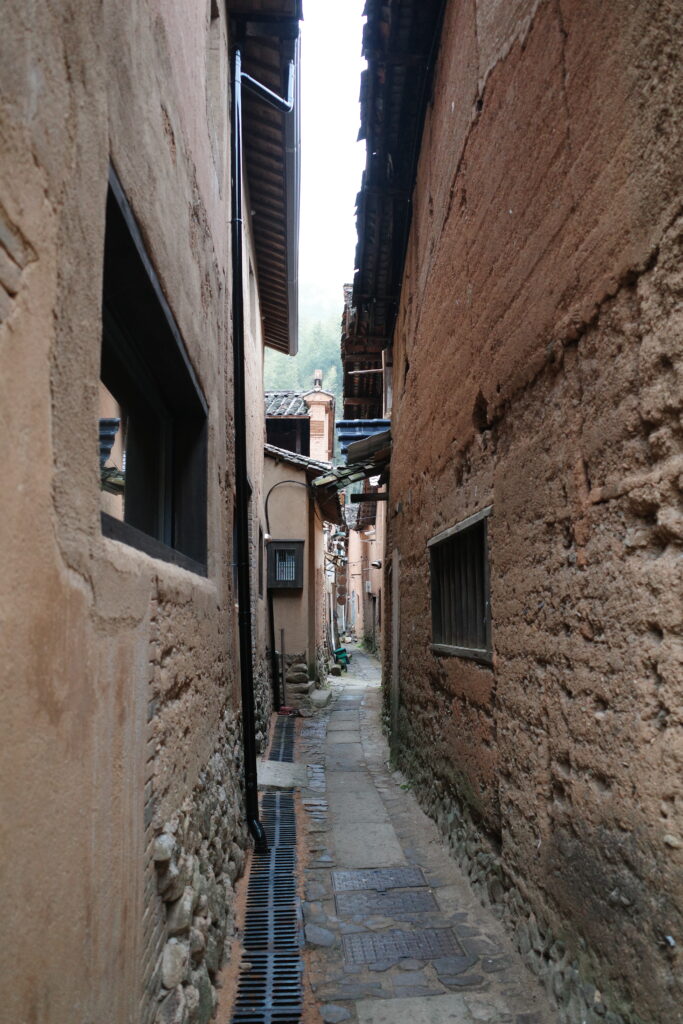
Yangjiatang (杨家堂)
Yangjiatang is famed for its 500-year-old camphor trees, a sense of elderly wisdom emanating from their gnarled trunks. A short trail wends up through the village, a few farm-style restaurants dotting each side until it exits out into the tea fields above. From there, the trail continues on to Xitian (酉田), Houwan (后湾), Songzhuang (松庄), and other mountain villages.
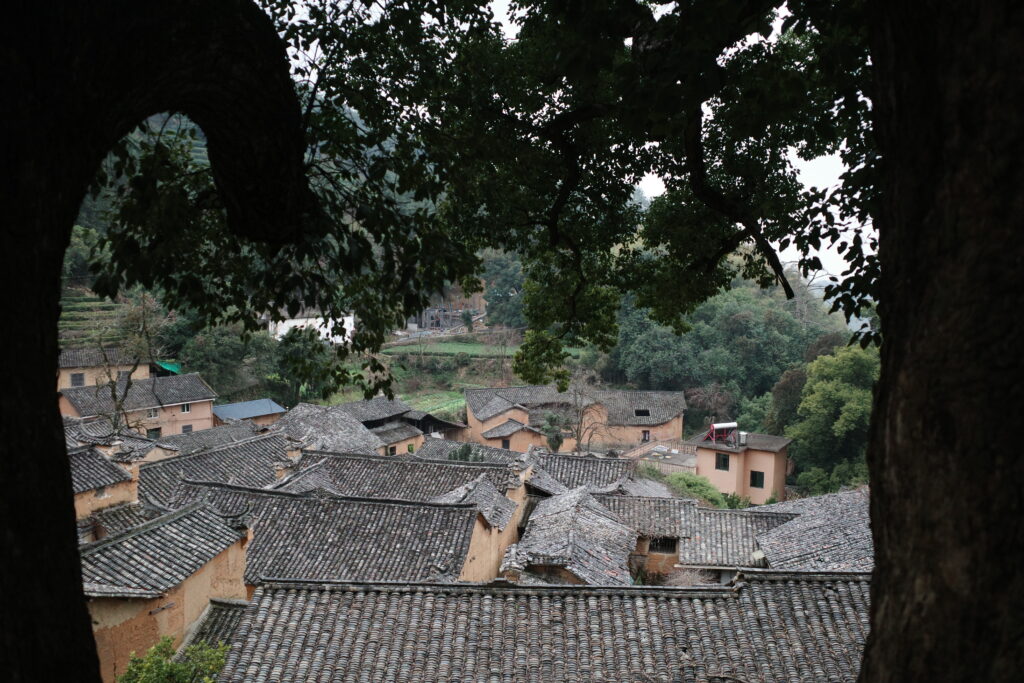
Chenjiapu (陈家铺)
Pre-2012, the mountain village of Chenjiapu stood abandoned, picturesque but defunct. Today, a handful of upscale local boutiques charge upwards of 1,000 RMB per night and the steep lanes that knit the village together are lonely no more. The village was remade for tourism and tourists have answered the call.
The most famous stop in this village is, undoubtedly, the bookshop, Libraire Avant-Garde (陈家铺平民书局). Many visitors come for a social media photo beside the towering walls of books enhanced by splendid natural lighting and sleek architectural flourishes.
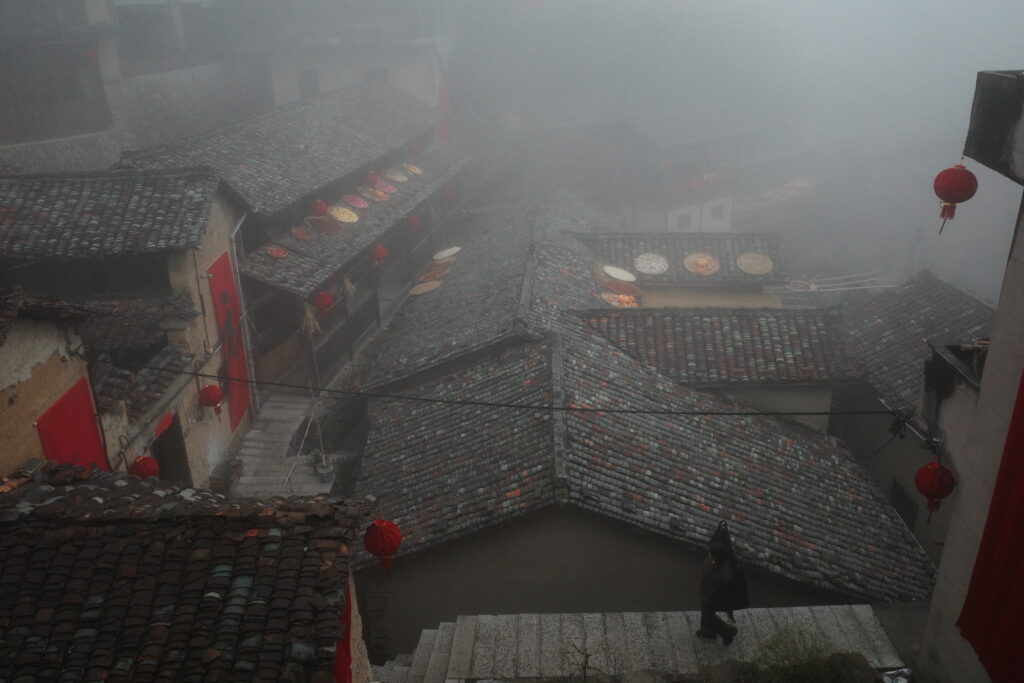
Xikeng (西坑)
A short hike down from Chenjiapu through bamboo forests and tea plantations is Xikeng. The village itself is very quiet and mainly plays home to the Cloud Retreat (过云山居民宿) and the guests who stay there.
Other villages
Beyond the main villages listed above there is also Houshe (后畲) known for an ancient dead tree which juts out from the village’s center; Hengkeng (横坑) famous for its bamboo craftsmanship and a theatre made entirely from interwoven bamboo where the local opera troupe performs; Tanghou (塘后) a quieter village off the main tourist trail with a scenic café; and Shicang (石仓) a hub for local folk culture and seasonal festivals.
Eat
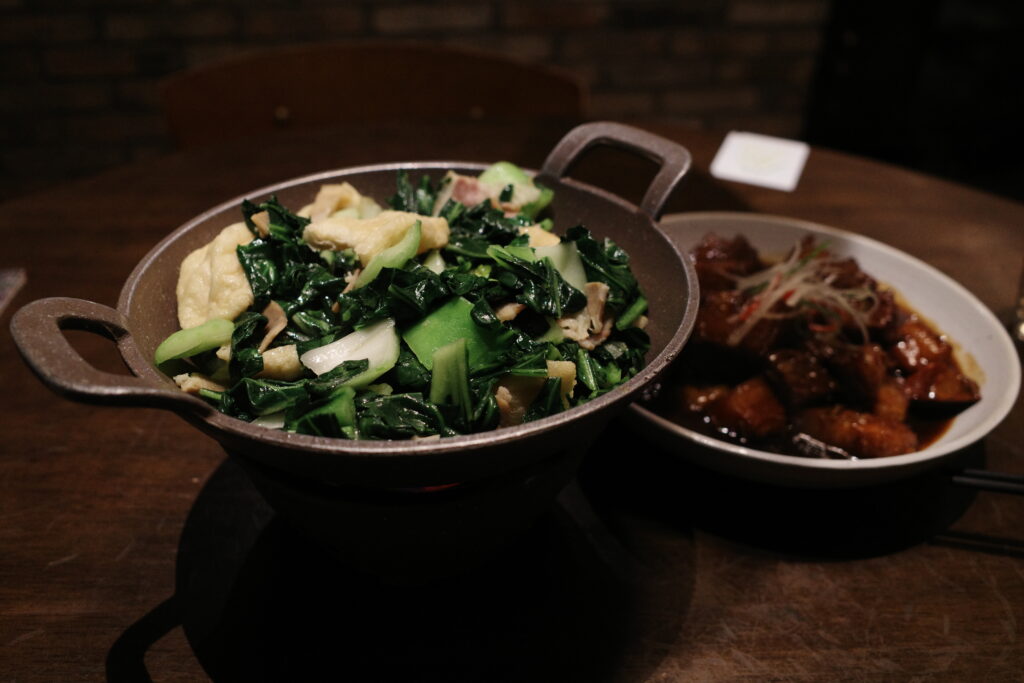
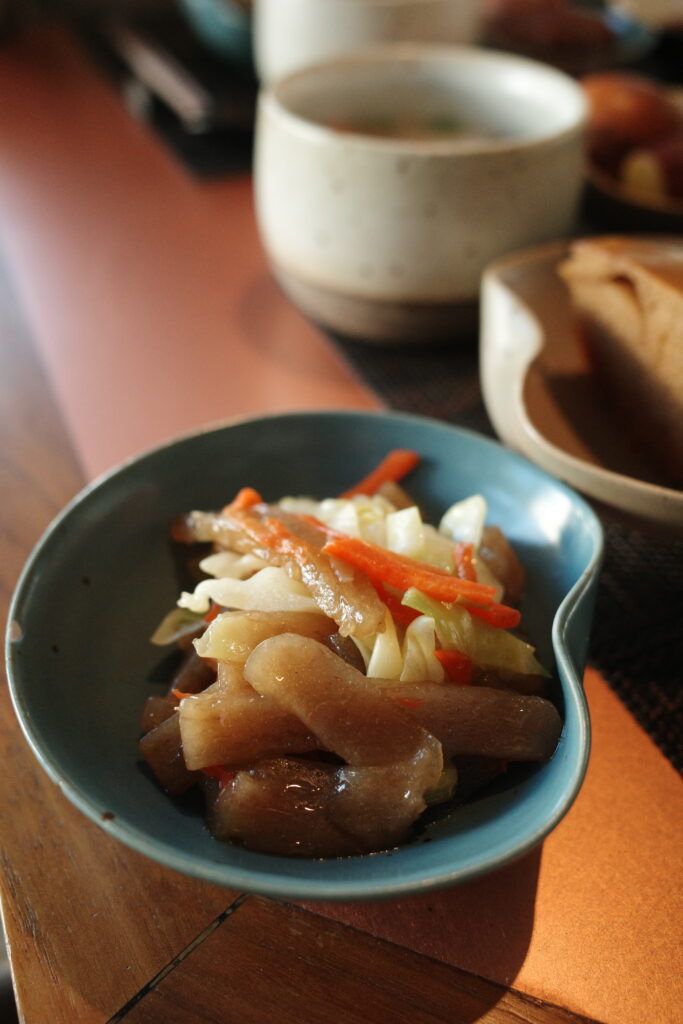
The people of Songyang take great pride in their food, especially the local dishes and drinks, of which there are many. Tea is a grounding principle throughout, not only as staple refreshment, but also infused and woven through much of the food as well. When they say Songyang is “the last hidden gem of Jiangnan”, they could very well be talking about the food exclusively, and the statement would still hold true.
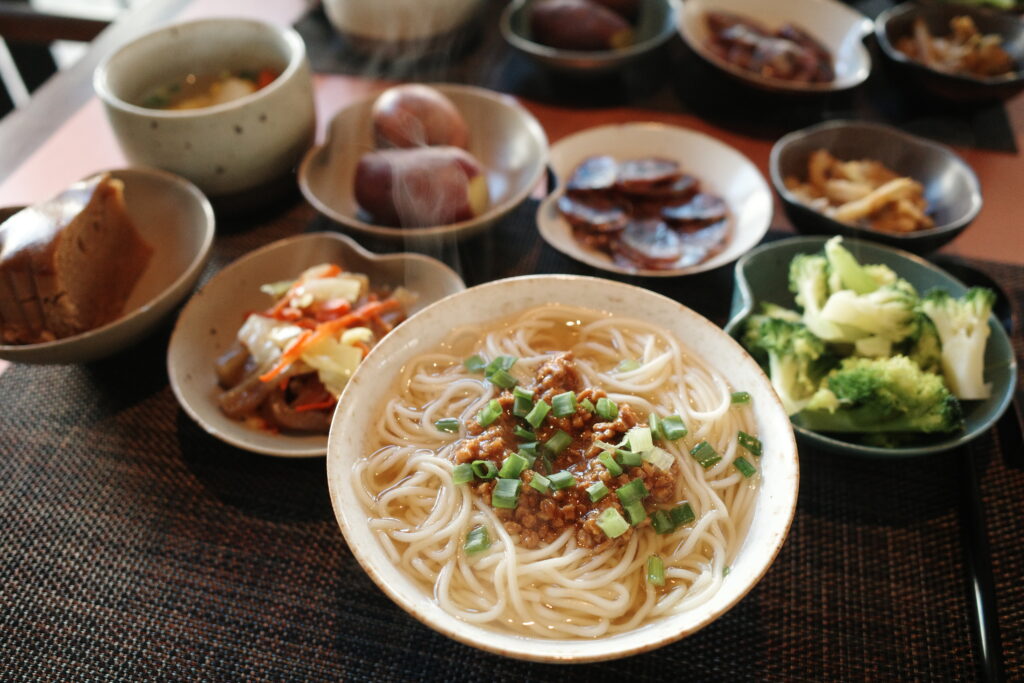
Local specialties
Some local specialties include:
· Weiyan chicken (煨盐鸡) – a whole chicken cooked in a drum of packed salt. More details on the cooking process and history of this dish can be found here.
· Yellow rice cake (黄米粿) – a rice cake made with highland japonica rice and a tree found in the mountains outside Songyang. The locals burn the wood from this tree and mix the ashes with lye water, which gives the cake its yellow color.
· Duanwu tea (端午茶) – this aromatic herbal tea is a Songyang local staple, served at every meal. The mixture of herbs harvested from the surrounding mountains is often different depending on the supplier and season.
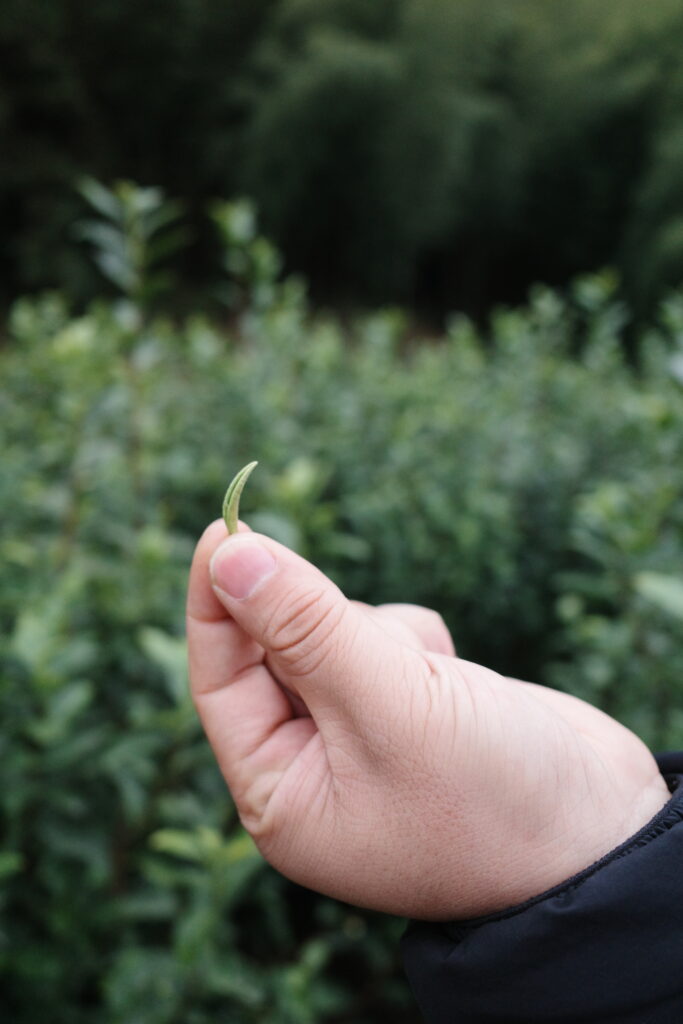
· Tea (茶叶) – Songyang is a huge tea growing area and home to the country’s largest tea market. The main types of tea from Songyang are Longjing, white tea, yellow tea and Wuniuzao.
· Shiitake mushrooms (香菇) – grown locally, one of the county’s main exports.
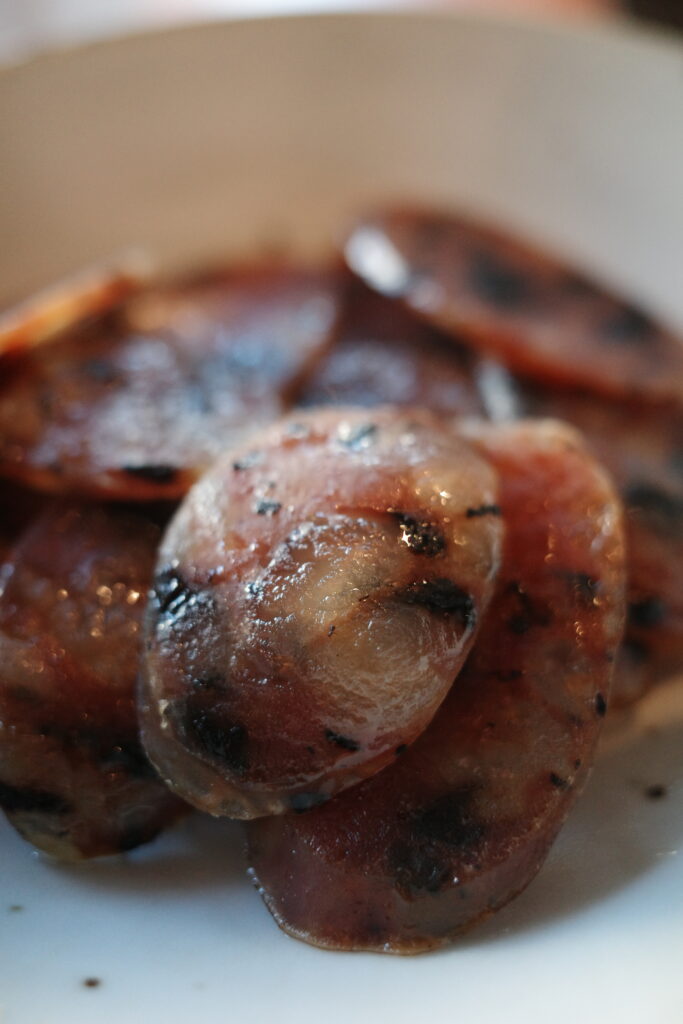
· Songyang sausage (松阳香肠) – a sweet sausage made with dried preserved mustard greens (梅干菜) or tea leaves.
· Puffy tofu (泡豆腐) – deep fried tofu dipped in sugar and/or soy sauce.
· Mugwort sticky rice cake (艾草麻糍) – a savory green sticky rice cake.
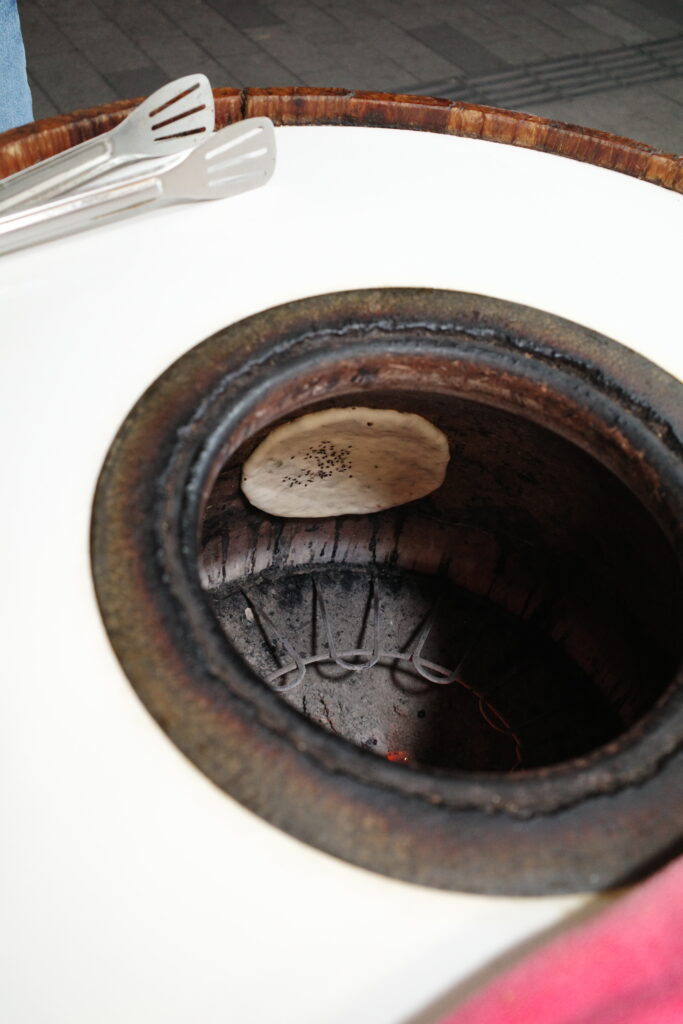
· Baked meat pancake (葱肉饼) – an onion and meat-filled pancake cooked on the walls of a tandoor-style clay oven.
· Brown sugar (红糖) – Songyang is home to a local sugar factory which still uses traditional sugar-making techniques to produce brown sugar which is then infused into much of the region’s sweeter-leaning foods.
· Torreya (香榧) – a local dried fruit.
Restaurants
As for where to eat the above specialties, the two main restaurants (which everyone in Songyang will recommend) are Old Songyang and Wang Family Kitchen. Both are excellent, reasonably priced and extremely friendly.
Old Songyang (老松阳) is just south of the old street. On first glance, the restaurant looks like a tourist spot, but once inside the top-notch food and lively atmosphere prove otherwise.
Wang Family Kitchen (王家厨房) is just west of the old street. Mr. and Mrs. Wang are well known in the community and greet guests as if into their home. The food is fabulous and a touch spicier than elsewhere.
For a more upscale meal, Guandoo Farm Banquet (观度家宴), just north of the old street, serves almost all of the local specialties in a more refined dining environment.
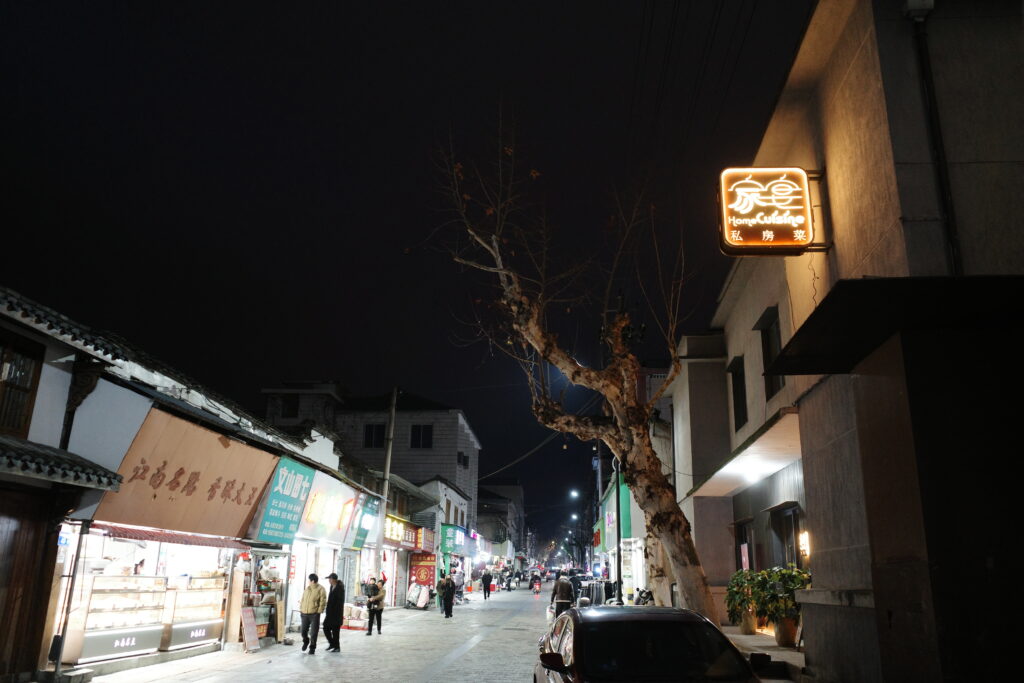
For a lighter bite, try Yi Lu Tian Xia Handmade Noodles (一卤天下手工面), which sits right on the old street itself. There’s no better testament to fresh food than watching the owner roll out and chop fresh noodles in-shop.
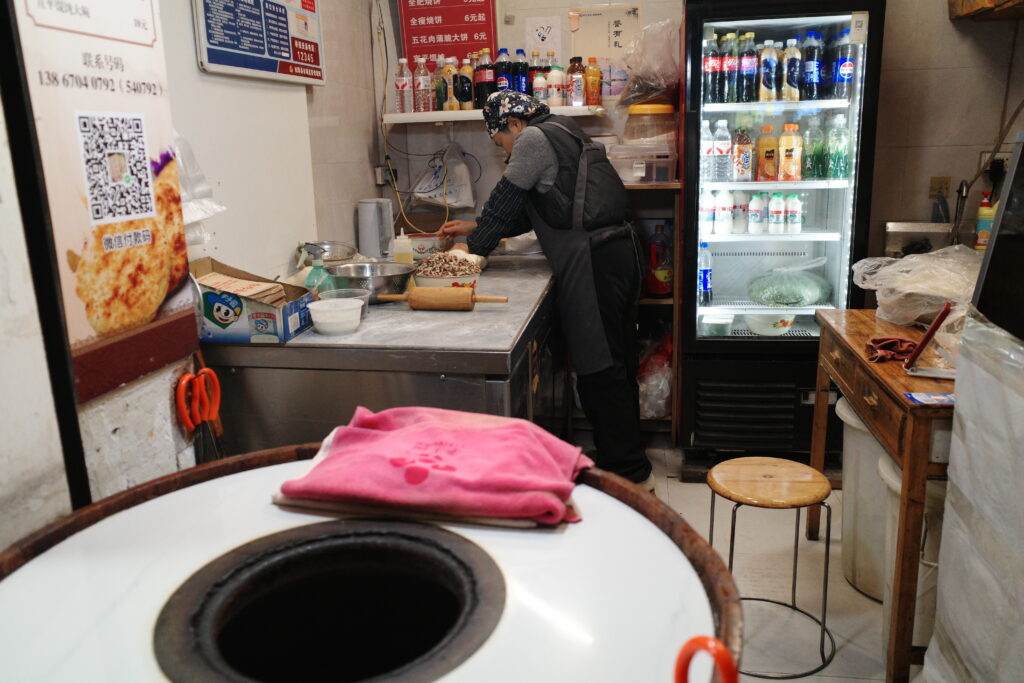
On that note, Weiwei Shaobing (伟伟烧饼) is the place to go for a fresh meat pancake (葱肉饼). The pancakes are made to-order: the owner packs the filling into a blob of dough, rolls it out and slaps it on the inside of the clay oven to bake before sliding it in a paper envelope and handing the hot snack over for immediate consumption. Fresh as fresh gets.
Beyond the city of Songyang, the mountain villages of course have their own eateries as well, a mix of local farm-style spots and fancier restaurants usually attached to the upscale boutique hotels.
Addresses for each:
· Old Songyang (老松阳):西屏街道长松路229号(南菜场路口)
· Wang Family Kitchen (王家厨房):新华路89号
· Guandoo Farm Banquet (观度家宴):西屏街道人民大街41号
· Yi Lu Tian Xia Handmade Noodles (一卤天下手工面馆):南直街94号
· Weiwei Shaobing (伟伟烧饼):太平坊路151号第二间
Drink
Every Songyang restaurant worth their salt will pair whatever they’re serving with a pitcher of duanwu tea for the table. Aside from this, China’s love for green tea, black tea, coffee, and milk tea (and its variations) can also be found in abundance. The most famous coffee shop in town, popularized by a feature in Condé Nast Traveler China and general social media fame, is WildChina’s Café No. 9 (九号咖啡). Tucked down a back alley off the old street, the building is an artfully restored traditional residence, the top floor of which has unparalleled views out over Songyang. The coffee, tea and hot chocolate are all very well done, but the main selling point remains the interior décor and the views (especially for sunset).
For coffee and book lovers there are three spots in town, located each just steps away from each other. The first is in the Guandoo Mansion courtyard. The Guandoo Coffee Shop (观度文里咖啡) doubles as the breakfast area for hotel guests with a quirkily designed library just across from it. Less than a minute’s walk down the same street is SDX Joint Taofen Bookstore (三联韬奋书店) which also has a coffee shop, just across the road. Around the corner is a three-story Xinhua Bookstore with an in-house Luckin Coffee (新华书店/瑞辛咖啡).
For more traditionally inclined drinkers, there is no shortage tea of shops to choose from, especially on the old street. Those looking for tea with a modern twist should check out
Yushankong Tea Lounge (屿山空), where tea concoctions are mixed and served with the glamour of an upscale cocktail bar, and Yuanpu (元朴), where traditional tea ceremonies and modern art installations collide inside a former ancestral hall staffed by culturally-enthused youth.
Addresses for each:
· WildChina’s Café No. 9 (九号咖啡): 西屏街道老街横街9号
· Guandoo Coffee Shop (观度文里咖啡): 西屏街道大井路2号
· SDX Joint Taofen Bookstore and Coffee Shop (三联韬奋书店): 西屏街道人民大街三联韬奋书店松阳店45号
· Xinhua Bookstore + Luckin Coffee (新华书店/瑞辛咖啡): 人民大街68号
· Yushankong Tea Lounge (屿山空): 南直街168-3号
· Yuanpu (元朴): 西屏街道人民大街173号
Stay
Songyang Town
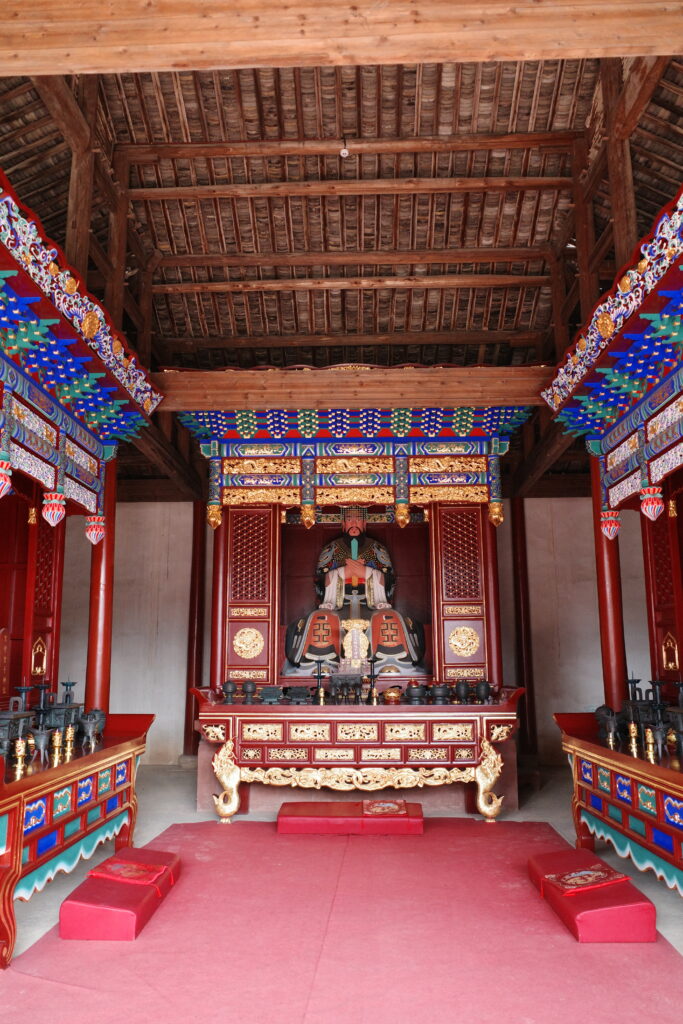
The best option in Songyang is Guandoo Mansion (观度公馆·松阳文里), a local luxury boutique nestled on the northern edge of the old town. The building which houses the hotel is a thoughtfully restored government office, and is just one part of the surrounding “cultural neighborhood” designed by Pritzker Prize laureate Liu Jiakun, which also contains a Confucian Temple, a City God Temple, a library, a café, and the restaurant mentioned above. The area as a whole is a peaceful, birdsong-filled retreat infused with culture and care.
The boutique aims to be more than a hotel, offering a selection of local wellness classes, ranging from yoga to painting, as part of their room package. The breakfast that also comes included in the room rate is fabulous. Presented as many small local dishes, it is a great opportunity to try many of the local specialties listed above.
· Guandoo Mansion (观度公馆·松阳文里): 西屏街道大井路2号
Surrounding villages
The most famous village stay outside Songyang is Stray Birds (飞茑集民宿) in Chenjiapu. The boutique hotel has awe-inspiring views out over the surrounding mountains and makes for a great stay for those looking to head out on daily hikes to the surrounding villages.
In Songzhuang, the place to stay is Taoye (桃野民宿), which is not a self-contained hotel but a collection of ten guesthouses scattered throughout the village.
For those looking for a quieter stay, Cloud Retreat (过云山居民宿) in the less-lively Xikeng, proves a peaceful retreat.
In Tanghou, the boutique guesthouse Goblin Mode (不知年民宿) piques curiosity with its name alone and focuses on sustainable employment and empowerment, with all of the hotel staff locals from either Tanghou or the surrounding areas.
Addresses for each:
· Stray Birds (飞茑集民宿): 四都乡陈家铺村37号
· Taoye (桃野民宿): 三都乡松庄村钉步坑61号
· Cloud Retreat (过云山居民宿): 西坑村30号
· Goblin Mode (不知年民宿): 四都乡塘后村6号
Do
As with any place, the best thing to do is immerse with the locals, and the only true way to do that as a short-visit traveler is by having a friend or guide to take you around and introduce the town and its people to you.
WildChina can arrange local craft workshops like palm-fiber weaving, metalsmithing, bamboo cup carving and incense making; culinary experiences covering local specialties from tofu and meat pancakes to tea; and artisan immersion on local heritage art like paper lantern crafting, folk painting, ribbon weaving, pottery and more.
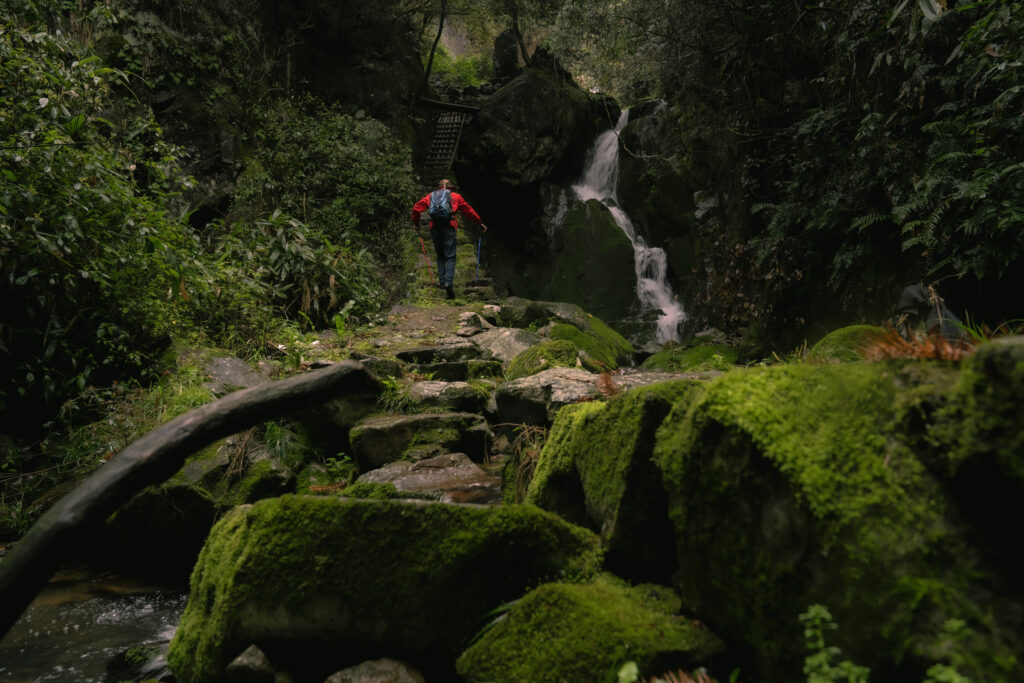
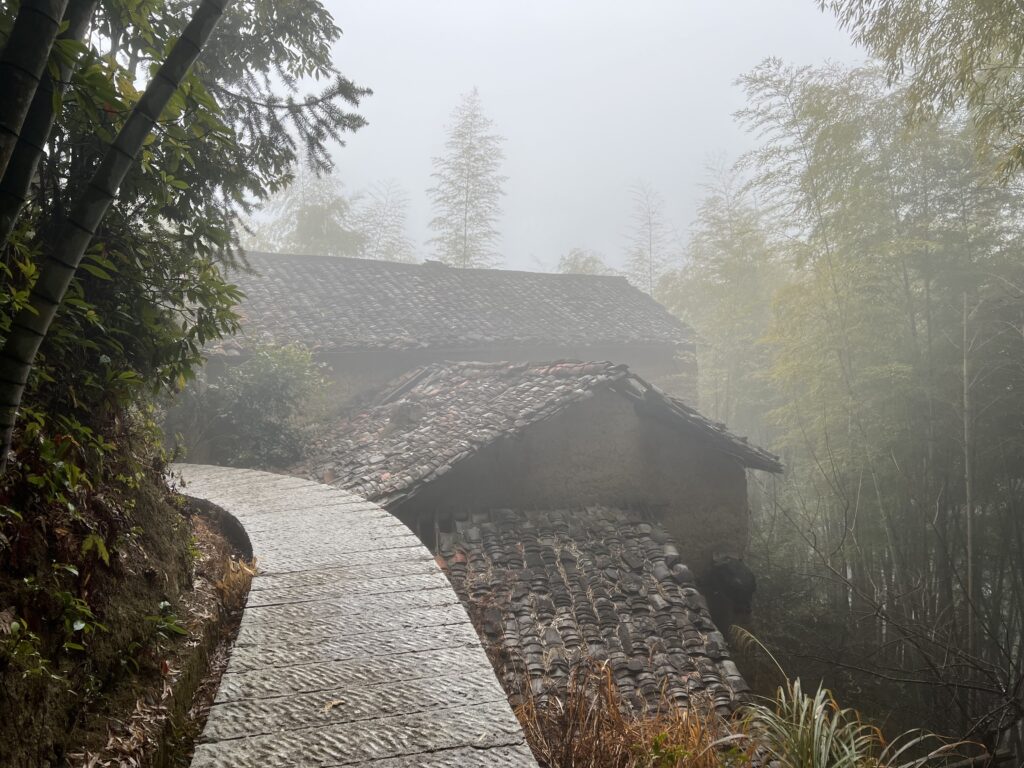
For the outdoors inclined, Songyang’s mountains have an expansive network of hiking trails, many of which are historical routes that connected the area’s remote villages for centuries. WildChina’s Songyang GUDAO hike covers the tea trading routes of old Songyang which weave betwixt the terraced tea fields and picturesque villages that remain today.
Getting There
By train
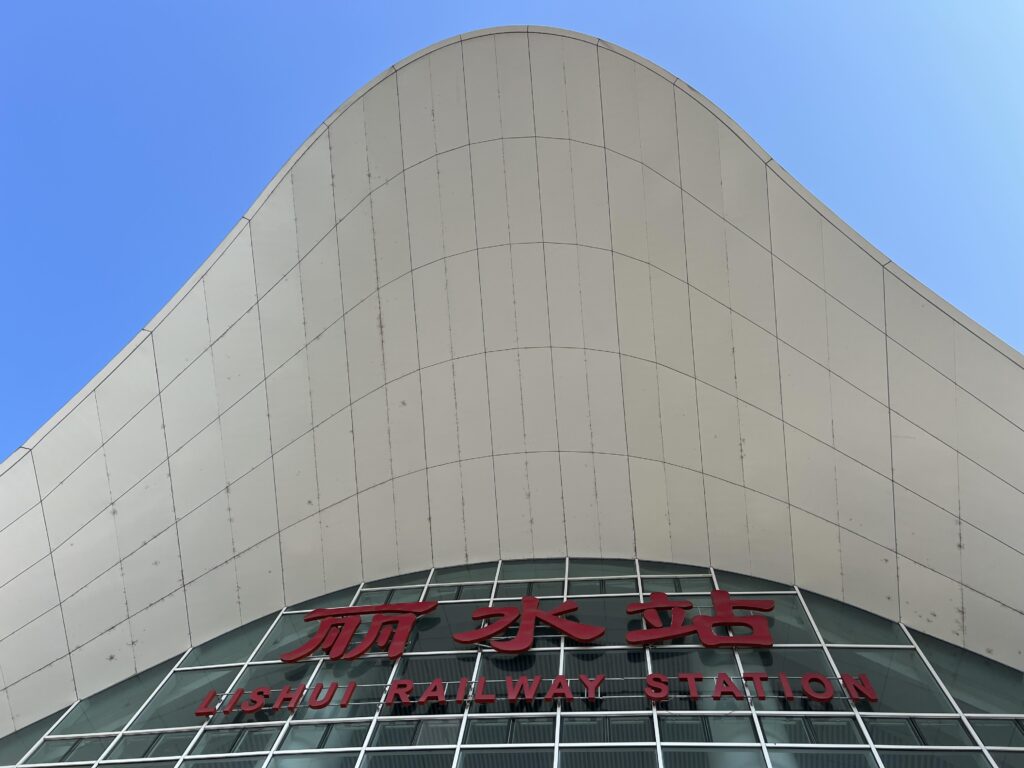
The closest high-speed train station to Songyang is Lishui (丽水), which is a one-hour drive away and has direct high-speed (G-train) connections to:
· Shanghai ~2.5 hours
· Beijing ~ 6 hours
· Hangzhou: ~1.5 hours
· Fuzhou: ~2 hours
· Xiamen: ~3.5 hours
By air
In 2024 Lishui opened its own airport (LIJ) which has direct flights to/from Beijing, Shanghai, Shenzhen, Chengdu and Kunming. The drive from Lishui to/from Songyang is around 1 hour.
There are also airports in Yiwu (YIW) and Quzhou (JUZ) which are both a 2-hour drive from Songyang.
Words and photos by Kendra Tombolato
With special thanks to WildChina’s Songyang-based team members, Charles Zhu and Zhang Yin for hosting, guiding and sharing the wonderful place you call home (and for fact-checking this Songyang Travel Guide)! Thanks also to Songyang locals Huahua and Xiao Pan for their advice and knowledge as lifelong residents.