Food and Drink
 Shopping
 Transportation
 Accommodation
 Useful Tips
 By city
 By Interests
 Pre-departure Guides
 Travel Updates

Set deep in China’s far southwest, the village of Dimaluo clings to the cliffs of the Nujiang Grand Canyon, a dramatic setting that has become one of the most meaningful places for hiking in China.
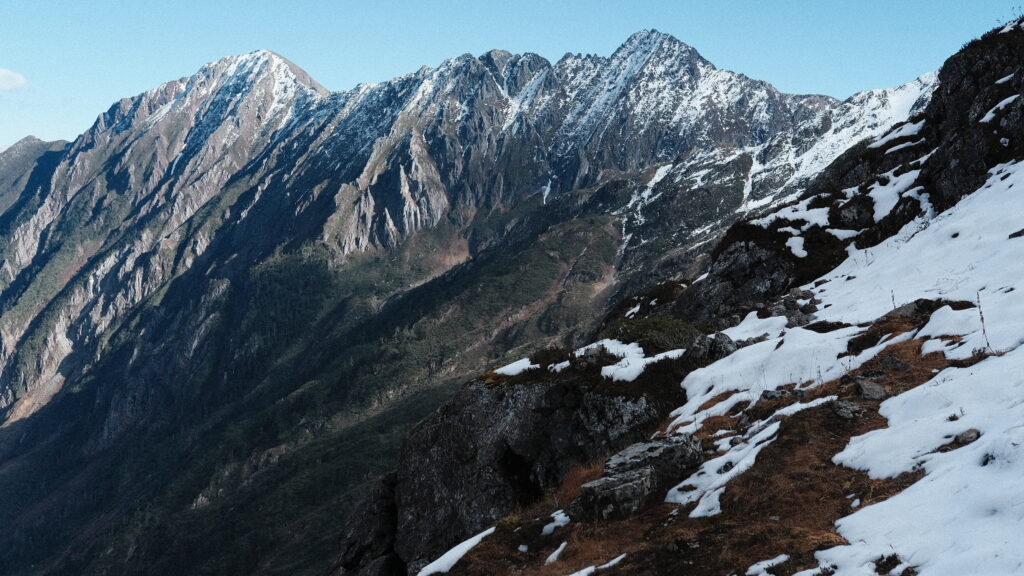
This vast gorge is carved between the Gaoligong and Biluo Snow Mountains. Rising over 4,000 meters, these snow-dusted peaks tower above dense subtropical forests. Below, the Nu River thunders through the valley as it winds south toward Myanmar. Along these steep slopes, Lisu, Nu, and Tibetan communities have lived for generations, their daily lives shaped by the terrain that surrounds them.
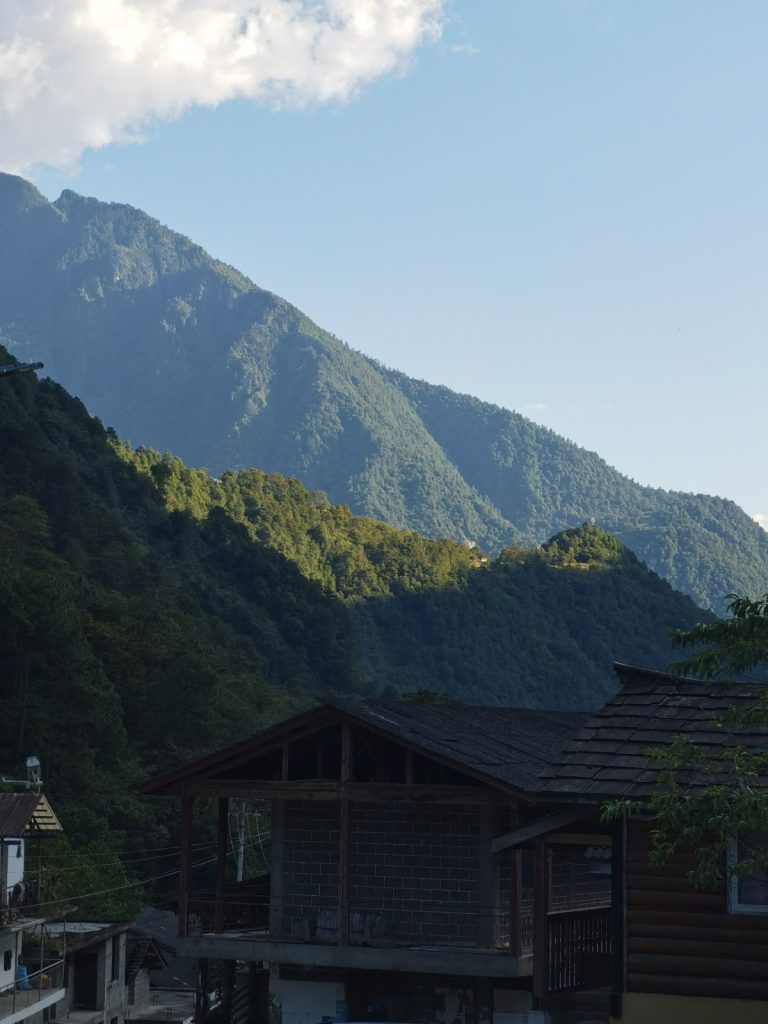
Though rich in natural beauty and cultural heritage, Dimaluo’s isolation long stood in the way of opportunity. For years, villagers with deep-rooted mountain knowledge had few ways to share it beyond their own communities — let alone earn a living from it.
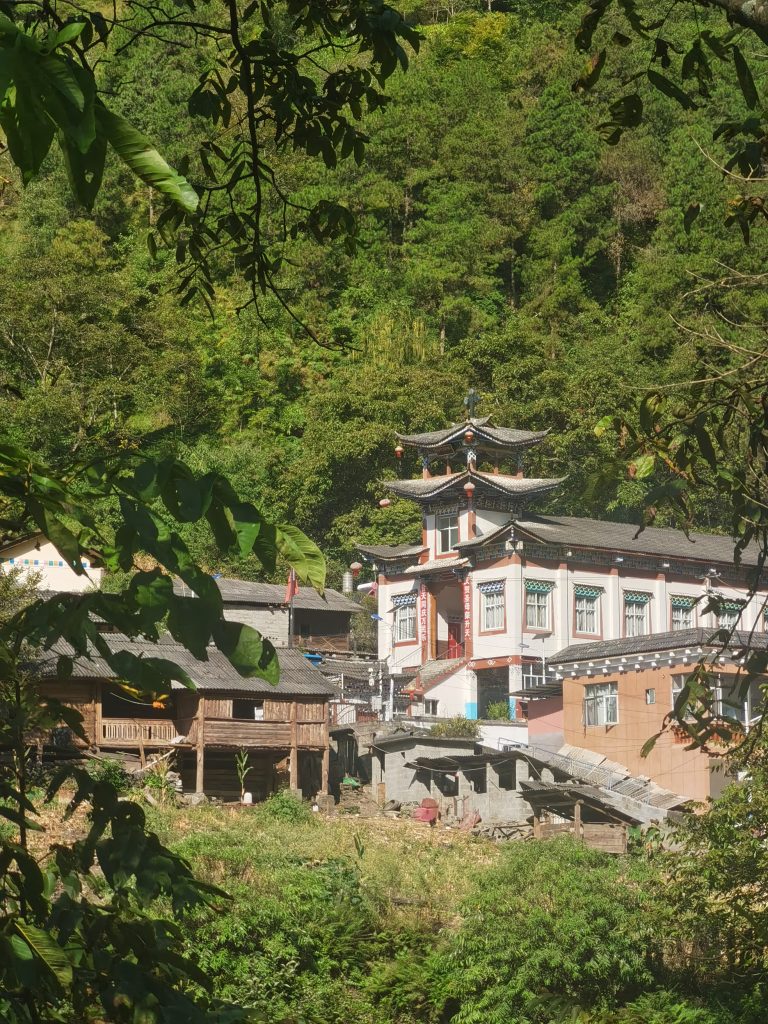
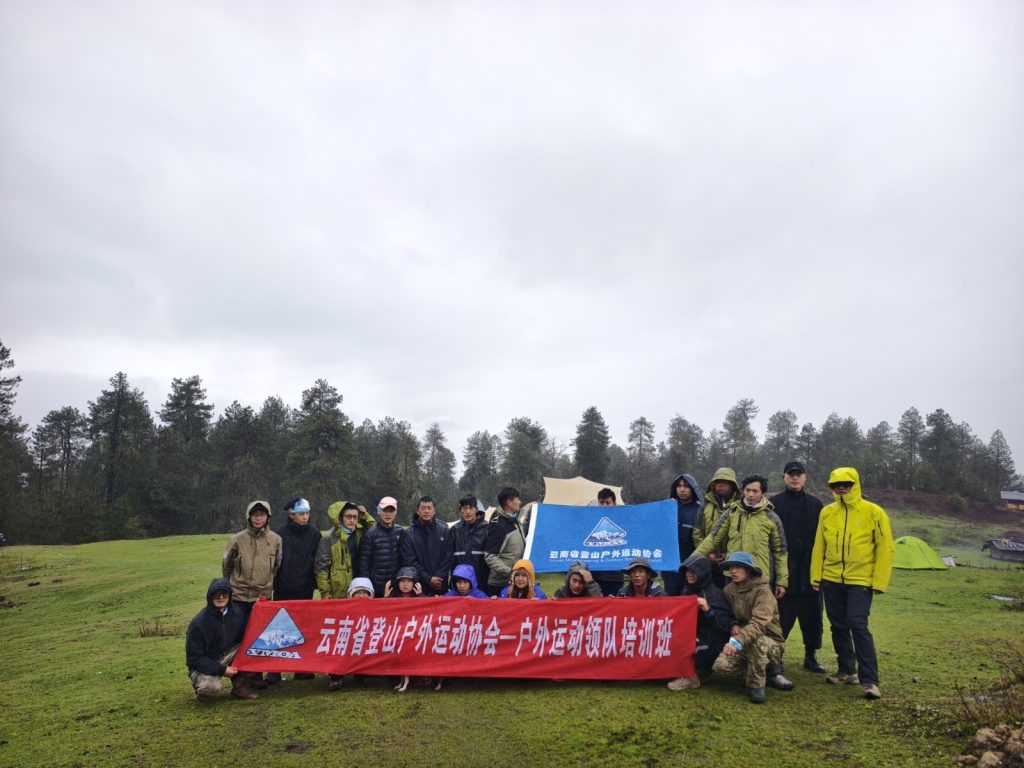
That began to change in 2025. Aluo, a Tibetan mountain guide who met WildChina founder Mei Zhang in Dimaluo more than two decades ago, returned with a new vision. Partnering with the Yunnan Mountaineering Association, he helped launch a localized outdoor leadership program that brought professional training directly to the village. No long journeys to distant cities — just hands-on instruction in wilderness safety, trail navigation, first aid, and group leadership, all designed to prepare participants for national guide certification.
WildChina supported the initiative by covering nearly 80% of tuition fees for every villager who passed the entry exam. For many, this marked the first time their inherited skills — reading weather patterns, identifying medicinal herbs, navigating without maps — could be transformed into a sustainable career.
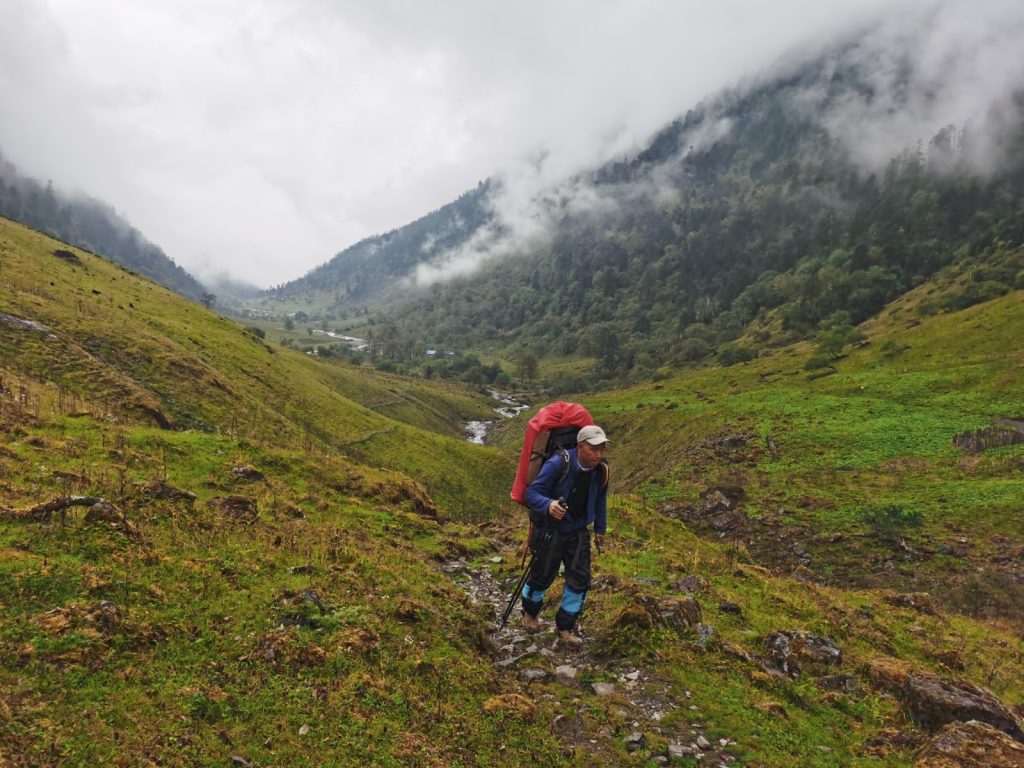
Several of Dimaluo’s newly certified guides are now leading travelers into the same highlands they grew up exploring. One of their signature routes is a multiday trek from Dimaluo to the historic village of Cizhong. The trail crosses the snow-covered Biluo Mountains, winds through alpine meadows and forests, and reveals waterfalls, quiet valleys, and high passes strung with prayer flags. Along the way, remnants of the ancient Tea-Horse Road — once a bustling trade route linking Tibet and Yunnan — emerge from the landscape.
This trek is now part of GUDAO, WildChina’s initiative to revive China’s forgotten trails and support the communities that live along them. The Dimaluo–Cizhong route is a one-week journey combining challenging hiking in China with meaningful cultural exchange. Travelers walk with local guides, stay in village homes or simple lodges, and share meals foraged, farmed, or fished from the surrounding land.
For WildChina, this is what sustainable travel looks like: not just preserving tradition, but empowering communities to thrive. Across rural China, WildChina partners with local guides, homestays, and grassroots providers to ensure tourism benefits those who call these places home.
In Dimaluo, the impact is tangible. The footpaths remain the same, but their purpose has shifted. What was once a trail between villages is now a pathway to possibility.
By Oreo Tsang
Translated by Gabrielle Keepfer