Food and Drink
 Shopping
 Transportation
 Accommodation
 Useful Tips
 By city
 By Interests
 Pre-departure Guides
 Travel Updates

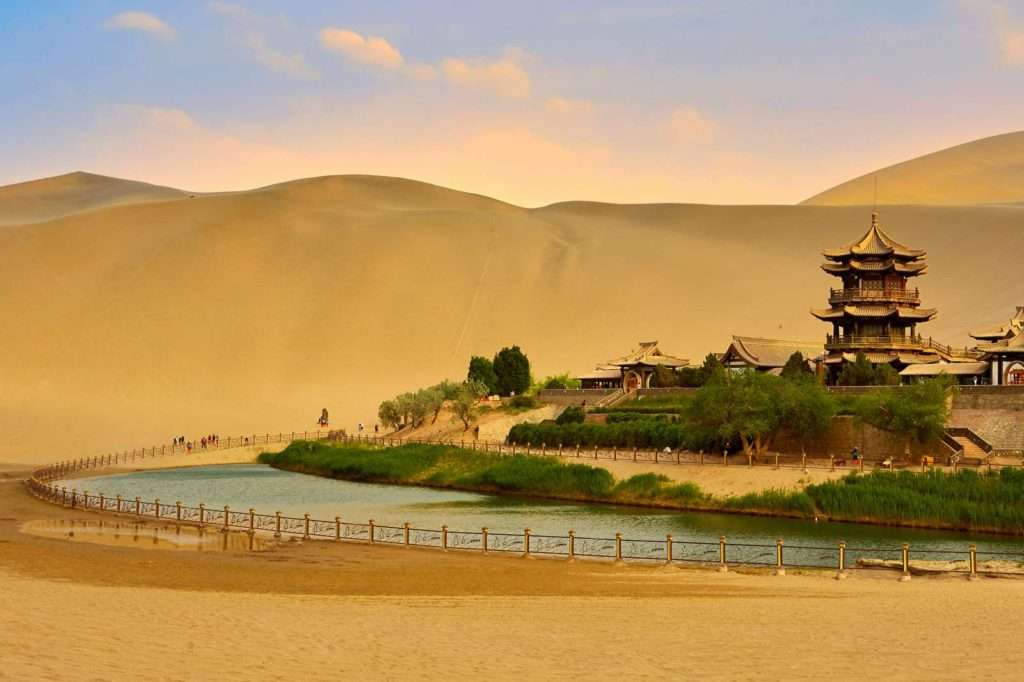
Between the edge of the Gobi Desert and the ancient capital of Xi’an, the Silk Road tells a more intimate story — one traced through rock-cut temples and cities lost to sand. This stretch reveals the route at its most textured, offering a rare glimpse into how people lived, moved, and believed along its path.
Here are some of the lesser-known sites that define this section of the journey — places WildChina travelers can explore alongside the scholars and archaeologists still working to understand them.

Yulin Caves
In the sun-scorched valleys south of Dunhuang, the Yulin Caves reveal how Buddhist beliefs traveled alongside merchants and pilgrims. Painted panels depict figures from across the Silk Road — travelers, monks, and officials — while nearby inscriptions reveal who they were and why they sponsored the art, whether in hope of protection, as an act of devotion, or in thanks for a safe journey. WildChina travelers can access rarely opened chambers alongside researchers from the Dunhuang Research Academy, gaining insight into how faith, art, and commerce converged in this desert sanctuary.
Shibaocheng Fortress
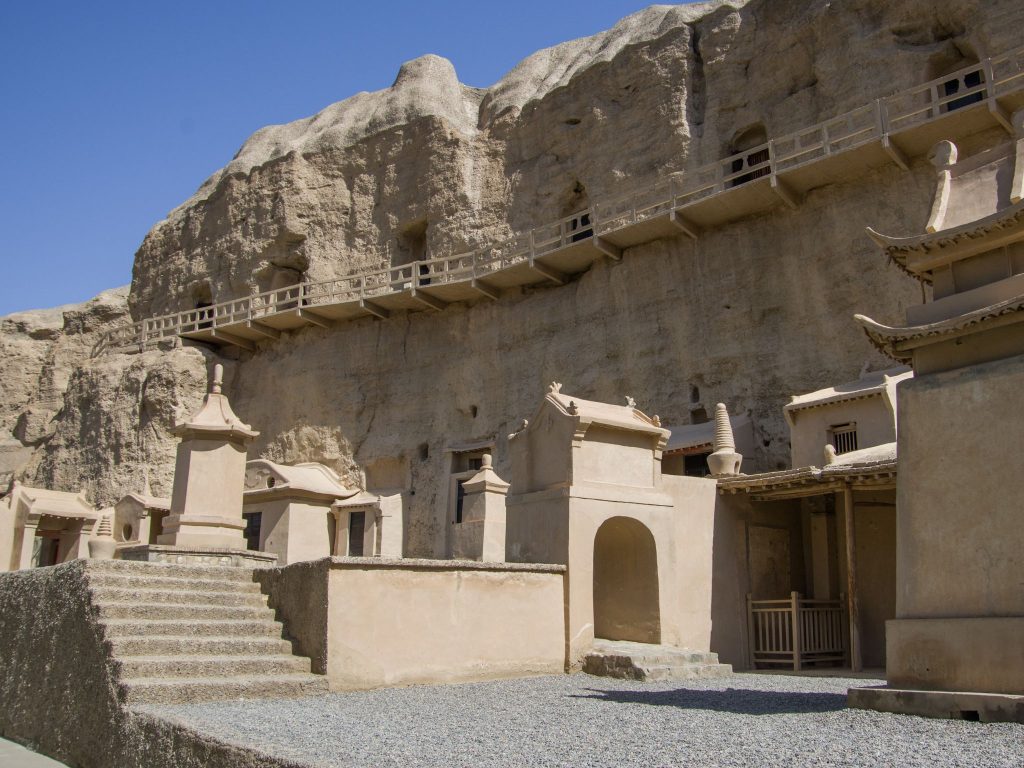
About an hour’s drive south of the Yulin Caves, amid the open plains of Gansu, Shibaocheng is a weathered military outpost built during the Ming dynasty to protect desert trade routes. Its packed-earth walls, untouched by modern restoration, slowly crumble under the weight of wind and time. What sets it apart is not grandeur, but atmosphere: there are no visitor centers or markers here — just the stillness of vast, open land. WildChina can arrange a special visit timed for sunset, when the light softens — a reflective backdrop for imagining the solitude once felt by the soldiers stationed here.
Xiqianfodong (West Thousand Buddha Caves)
Further east near Guazhou, the little-visited Xiqianfodong caves preserve early Tang-era carvings in remarkably intact condition. Some chambers remained sealed for centuries and have only recently been reopened through carefully managed conservation efforts. For travelers who time their visit with the spring or autumn equinox, sunlight enters at just the right angle to illuminate a seated Buddha — a moment of quiet precision that has endured for over a thousand years. With exclusive access arranged through WildChina, this stop offers seldom-seen art and a sense of profound stillness, far from the crowds.
Bingling Temple
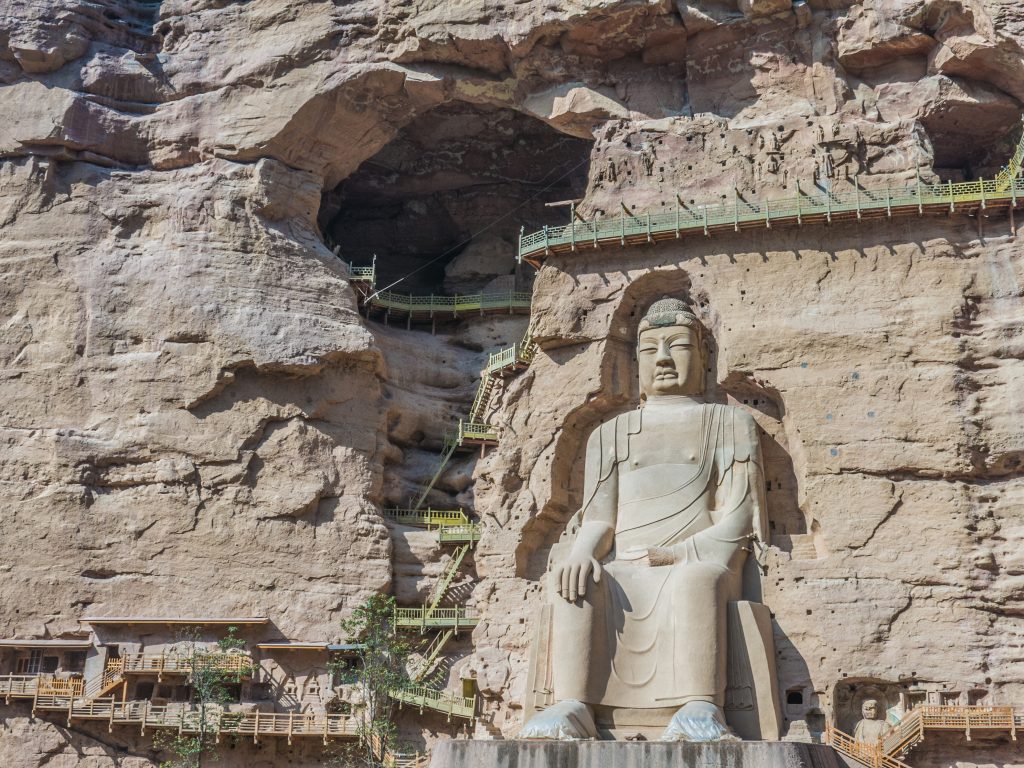
In a narrow canyon along the Yellow River, the sandstone cliffs of Bingling Temple hold Buddhist carvings dating back to the Western Qin dynasty. Reached by speedboat across the Liujiaxia Reservoir, the site features a towering Buddha and a series of secluded grottoes — some inscribed with Tibetan script — that reflect centuries of spiritual exchange. With a curator from the Gansu Provincial Museum, WildChina travelers can examine rare details: unfinished carvings that reveal the sculptors’ process, layers of pigment preserved by the dry air, and inscriptions that mark the site’s evolution from Han to Tibetan influence.
Kharakhoto
In far western Gansu, near today’s Inner Mongolia borderlands, the ruins of Kharakhoto rise from the desert floor. Once a thriving Tangut city, it was abandoned in the 14th century and slowly buried by shifting dunes. Centuries later, Buddhist texts, silk paintings, and imperial relics were unearthed from beneath the sand, revealing a world long forgotten. Today, crumbling stupas and broken walls offer a glimpse into the lives of traders, monks, and rulers who once moved through this remote frontier. WildChina travelers can explore the site with a local guide, gaining deeper context on its rise, decline, and rediscovery.
Maijishan Grottoes
High in the forested hills near Tianshui, the Maijishan Grottoes were carved into a sheer cliff face by monks, artisans, and travelers moving between Buddhist centers in China, Central Asia, and beyond. More than 7,000 sculptures and hundreds of murals span dynasties and artistic traditions — from Indian-influenced serenity to the austerity of the Northern Wei — reflecting the site’s role as a cultural and spiritual crossroads. WildChina can arrange for travelers to meet the site’s director to learn how these delicate clay figures are stabilized, restored, and protected from the threats of moisture, erosion, and time.
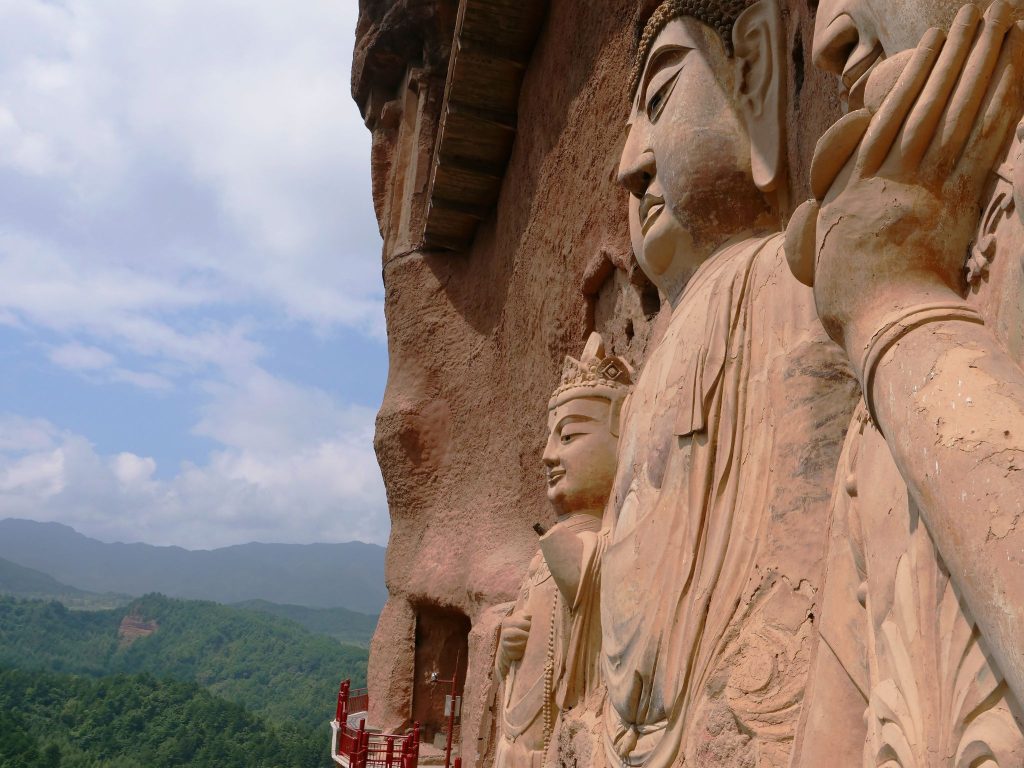
Our journeys along this corridor shine a light on lesser-seen sites — and the stories behind them. Several of the sites mentioned — including Yulin Caves, Maijishan Grottoes, and Bingling Temple — are featured in our expert-led journey along the Silk Road with Dr. Ye Wa, a leading expert on Neolithic and Tang Dynasty archaeology in China. In Dunhuang, WildChina travelers may also meet Dr. Neil Schmid, Scholar-in-Residence at the Dunhuang Academy and a world authority on medieval Buddhist visual culture.
To begin planning your journey along the Silk Road, get in touch with our travel designers.
By Gabrielle Keepfer
With thanks to Dr. Neil Schmid