Food and Drink
 Shopping
 Transportation
 Accommodation
 Useful Tips
 By city
 By Interests
 Pre-departure Guides
 Travel Updates

In the rugged mountains of Yunnan, history rests beneath layers of earth and forest. Scattered fragments of aircraft lie hidden in remote valleys — remnants of a lesser-known but pivotal chapter in World War II. These wreckages once belonged to the pilots of the Hump, a treacherous air route over the Himalayas used by Allied forces to deliver supplies to China.
Leading the effort to uncover these forgotten sites and stories of the Hump pilots is Kevin Wang. He grew up in Shijiazhuang, a northern city in China, where his childhood home stood next to a flight academy. Flight training and air shows were a regular sight, and one of his neighbors was a pilot. These early experiences sparked a deep fascination with aviation, and by the time he was a young boy, he was already reading books about the Flying Tigers and the Hump route — stories that would stay with him for life.
As an adult, after years of hiking for enjoyment, he began to seek something more meaningful. In 2009, he founded The Fourteen Mountains, an outdoor brand shaped by that same desire — to make time in the mountains about more than just physical challenge. Named for the world’s highest peaks, The Fourteen Mountains was first shaped by the spirit of mountaineering. But as Kevin reflected on what lasting purpose might look like outdoors, his attention turned to the wartime stories buried in China’s southwestern mountains — and to the long-forgotten routes of the Hump.
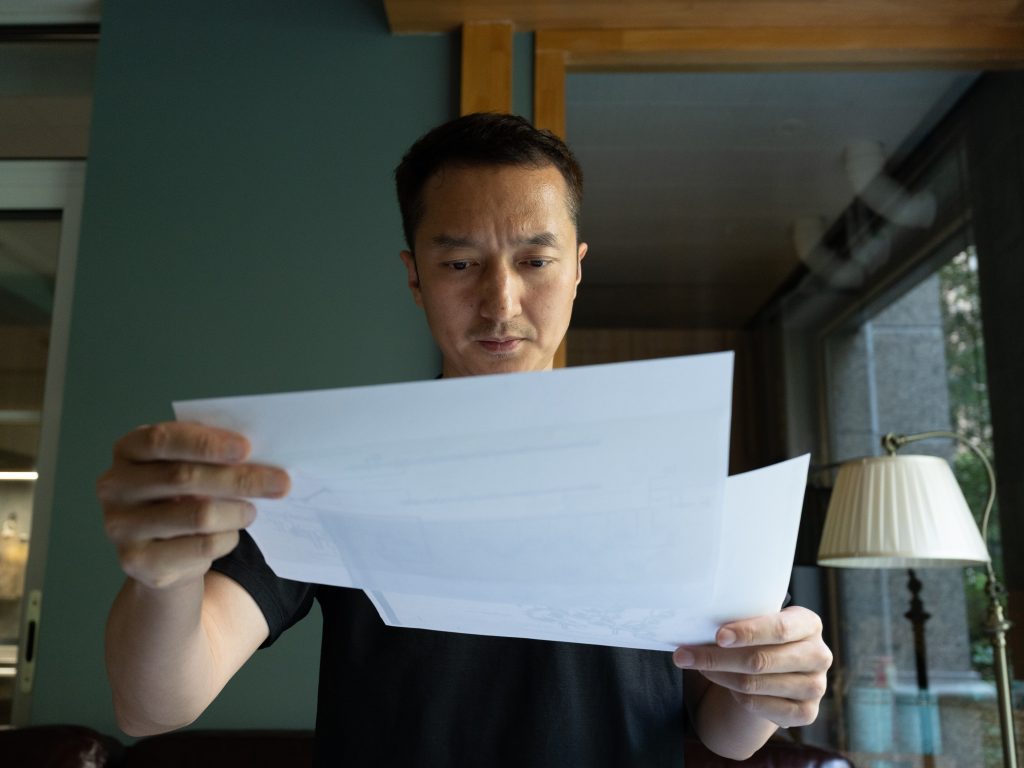
In 2020, Kevin launched Back to the Hump, a project under The Fourteen Mountains brand that combines mountaineering with archival research to locate downed aircraft and honor the international pilots who never returned home.
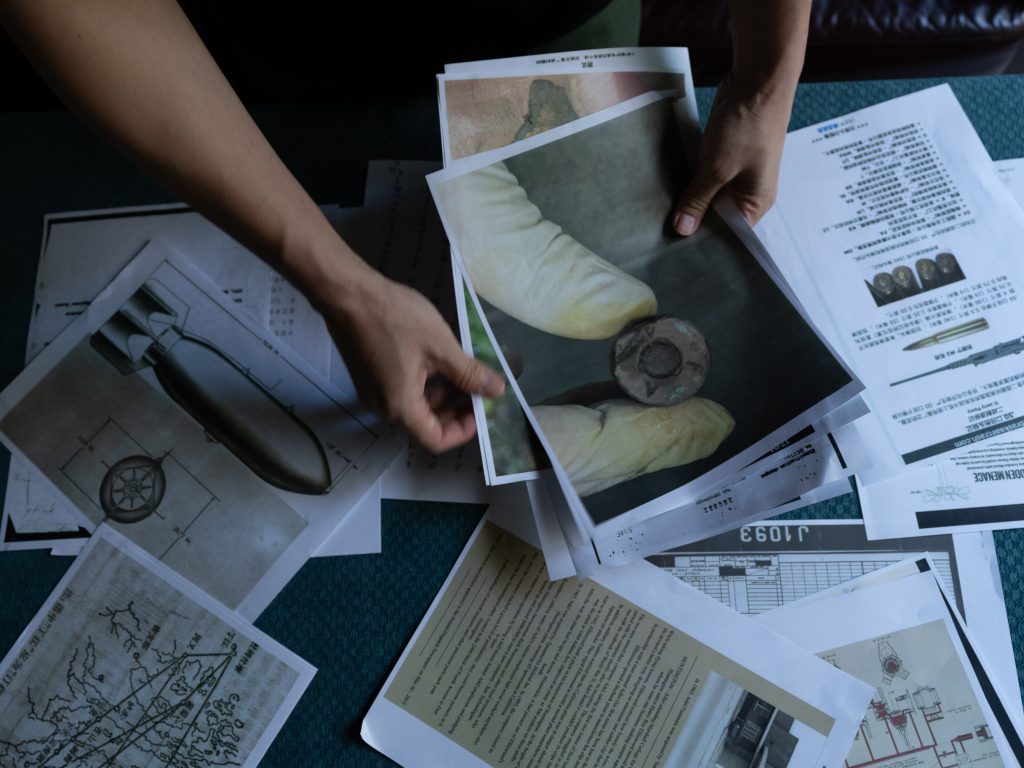
Backed by dedicated funding, the project is now a core part of The Fourteen Mountains’ mission to bring deeper meaning to outdoor exploration. Kevin assembled a specialized team — researchers, mountaineers, and field experts — who share his belief in honoring these stories. Together, they cross-reference Chinese and American military records, conduct eyewitness interviews, and organize field expeditions. Each discovery is the result of rigorous planning, professional collaboration, and sustained effort.
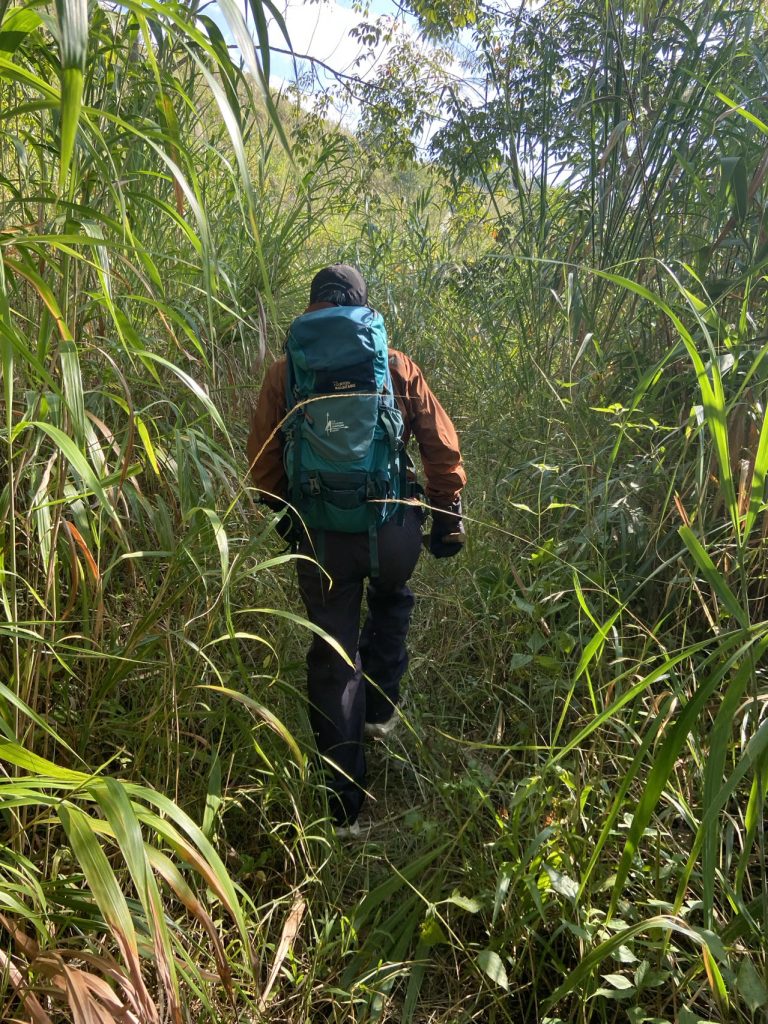
One such discovery came in May 2025, in Nanyou Village, Jinping, in southern Yunnan. After years of preparation and weeks of trekking through overgrown ravines, the team unearthed the remains of a U.S. military aircraft and confirmed the aircraft’s identity through archival records. A simple memorial ceremony followed, held on the 81st anniversary of the crash. Local villagers, unfamiliar with the history but moved by its weight, joined in the silent tribute.
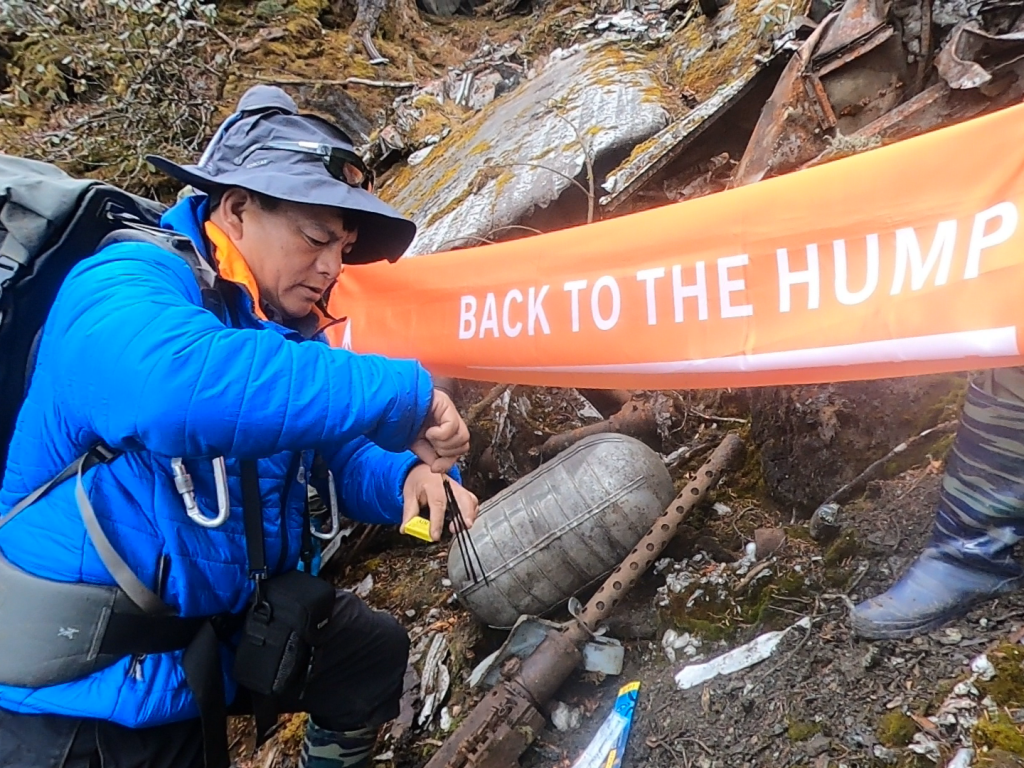
For Kevin, it’s the quiet act of remembrance that matters most. “These pilots gave their lives for a world they believed in,” he reflects. “We’ve grown older searching for them.”
The challenges are many, including weathered records and difficult terrain. Some ask why he continues. For Kevin, it’s about connection — a belief in shared memory and a spirit of cooperation. Today, his team continues to document and survey new sites. Each one holds the promise of a deeper understanding of the global sacrifices etched into China’s landscape.
Kevin’s work has become part of a wider effort to keep this history alive. Across Yunnan and beyond, the echoes of the Hump and the stories of the Flying Tigers continue to resonate with those eager to learn more. As the 80th anniversary of the end of World War II approaches, his efforts invite a new generation to reflect on the quiet acts of remembrance that connect us across time and borders. For those wishing to explore these chapters firsthand, WildChina’s thoughtfully curated World War II journeys bring the legacy of the Hump pilots to life.
Words by Gabrielle Keepfer
Video produced by WildChina碧山
Cinematography and editing by Charles Zhu
Subtitles by Qing Gu and Gabrielle Keepfer
A special thanks to: Kevin Wang and the Back to the Hump project team
Interview location: Shijiazhuang, Hebei Province