Food and Drink
 Shopping
 Transportation
 Accommodation
 Useful Tips
 By city
 By Interests
 Pre-departure Guides
 Travel Updates

Beauty in China has always been guided by balance — the alignment of body and spirit central to Traditional Chinese Medicine (TCM). For centuries, this principle has shaped how people care for their skin, hair, and overall well-being. As C-beauty brands and treatments gain international attention, beauty here remains rooted in personal balance rather than uniform ideals.
The philosophy of harmony
At the heart of Chinese beauty is the principle that outer radiance reflects inner balance. In TCM, the body’s health depends on the free flow of qi (vital energy) and the harmony between yin and yang — two complementary forces that govern all aspects of life. This equilibrium is maintained through the body’s meridian system, a network of pathways that connect organs and systems, allowing qi to flow freely. When that balance falters, the skin often shows it: dullness, breakouts, or dryness may indicate stagnation, excess heat, or deficiency.
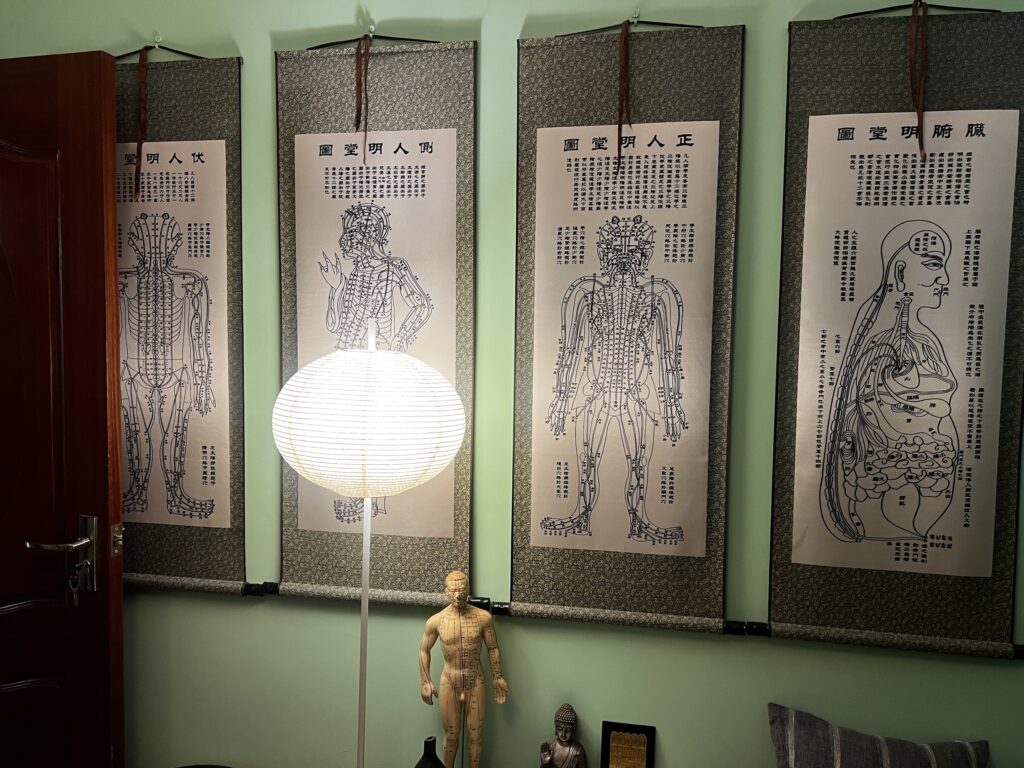
The concept of the Five Elements — Wood, Fire, Earth, Metal, and Water — further connects the body to its environment. Each element corresponds to organs and emotions: the liver (Wood) influences circulation and stress, the spleen (Earth) governs tone and hydration, and the kidneys (Water) sustain vitality and slow signs of aging. In this sense, caring for the skin is not a surface act but a means of restoring internal harmony.
Tradition in daily care
Many of today’s most recognizable wellness practices, including guasha (scraping therapy) and facial massage, began as therapeutic techniques tailored to individual needs. Guasha, recorded in medical texts since the Ming dynasty, was used to relieve stagnation and improve circulation. Today, jade and bian (a fine-grained healing stone) tools feature in personalized skincare routines that promote lymphatic drainage and facial definition. The technique has become a global skincare staple, integrated into facial treatments and home rituals for its sculpting and tension-releasing effects.
Across China’s cities, traditional treatments are finding new relevance in daily life. Head spas blend acupressure and herbal rinses to ease tension and support scalp health, continuing the TCM belief that balance in the body begins at the head. Bathhouses, long part of community life, have been reimagined as quiet spaces for rest and renewal. Spas combine herbal steam therapy and body brushing with clean, contemporary design — bringing centuries-old rituals into a modern setting.
Science in balance with heritage
China’s skincare industry now bridges ancient herbal medicinal principles with modern clinical research, focusing on hydration, barrier repair, and treating sensitive skin. It approaches skincare as a form of personalized health, using precise, data-informed, plant-based formulations tailored to individual needs.
WINONA, founded by dermatologists in Yunnan, exemplifies this bridge between nature and science. Its formulations draw on active compounds found in high-altitude flora of Shangri-La, such as forsythia and purslane — plants long used in TCM for their soothing and anti-inflammatory properties. Backed by clinical studies and partnerships with Yunnan’s medical universities, the brand focuses on repairing and strengthening the skin barrier.
Chillmore, established in 2020 in Hangzhou, extends this wellness-driven philosophy to the body. Its pH-balanced, microbiome-friendly formulations emphasize maintaining the skin’s natural defenses, reflecting the broader shift toward preventive care. This approach aligns with the growing trend of “skinification,” where skincare principles and high-quality ingredients are applied to body products, addressing dryness, dullness, and sensitivity.
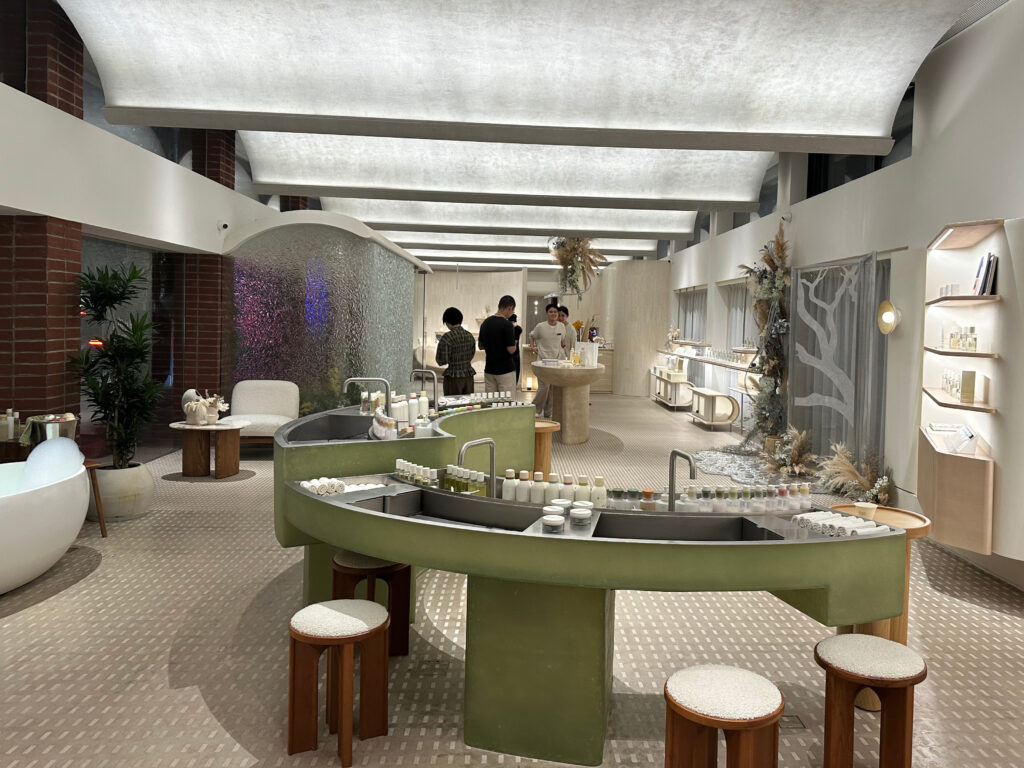
Together, these brands represent a new phase of Chinese beauty — one where scientific precision and traditional wisdom converge to create skincare rooted in restoration, not transformation.
The innovation of C-Beauty
In today’s beauty landscape, Chinese makeup brands have become a bridge between centuries-old craftsmanship and contemporary science. Florasis, founded in Hangzhou in 2017, draws inspiration from the artistry of West Lake. Its carved compacts reference wood-carving and embroidery, while formulas draw on botanical and herbal traditions associated with classical Chinese beauty texts. The brand espouses the concept of hua yan (the face as a flower), emphasising natural radiance rather than transformation. Behind its artisanal outward identity lies a high-tech production base in Hangzhou: a smart factory with multiple digital production lines, AI-powered monitoring and quality-control systems, illustrating how modern technology can support, rather than replace, heritage craft.
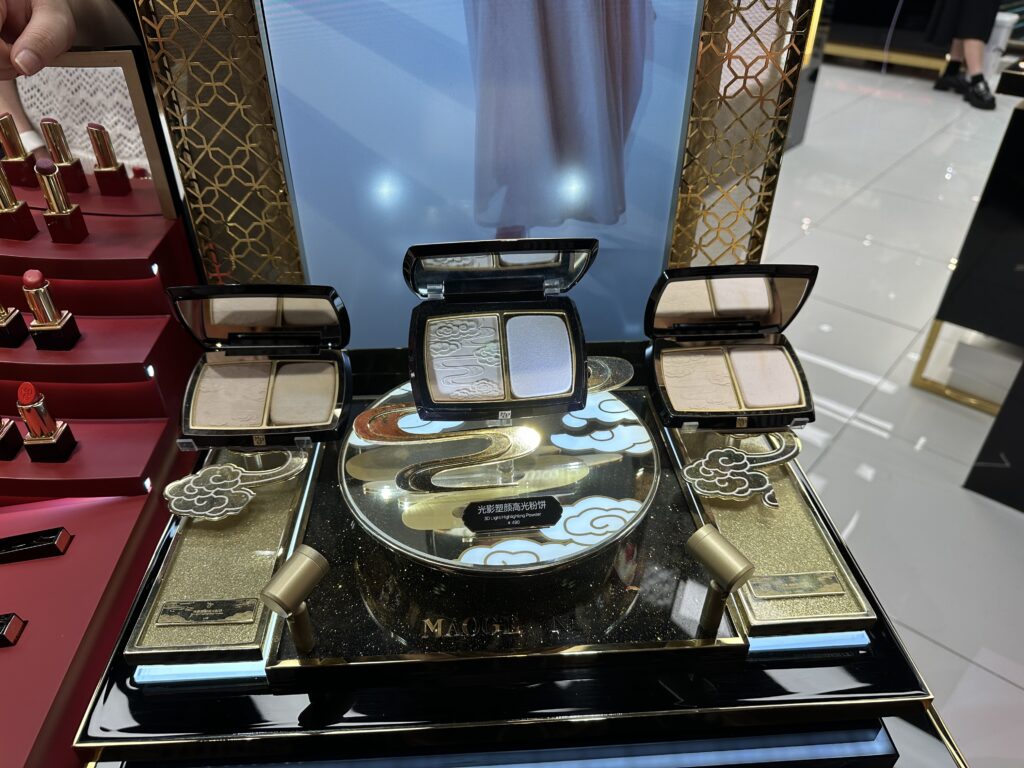
Mao Geping Beauty, created by one of China’s most celebrated makeup artists, translates the composition techniques of Chinese painting into modern cosmetics. His collections focus on complexion and contouring — finely milled powders, highlighters, and sculpting palettes that enhance natural structure with subtle precision. Through his brand and makeup academies, Mao has shaped a distinctly Chinese approach to beauty, one that values harmony and restraint.
Emerging brands such as Colorkey and Judydoll reflect a new generation’s celebration of local innovation shaped by guochao (national trend) culture. Through digital platforms like Xiaohongshu and Douyin, these labels engage directly with audiences, promoting their playful design with polished minimalism.
This new wave of creativity extends beyond products to the spaces that showcase them. Concept stores such as HARMAY have reimagined how beauty is presented and experienced. Known for their signature miniature products and museum-like interiors, HARMAY’s locations on Shanghai’s fashion-forward Anfu Road and Beijing’s Taikoo Li invite slow, tactile exploration.
The beauty of scent
Fragrance has become another expression of China’s evolving beauty culture — one that values mood, memory, and craftsmanship. Independent houses such as To Summer, DOCUMENTS, and Melt Season reinterpret Chinese heritage through scent. Their creations evoke osmanthus, bamboo, tea leaves, and rain on stone — sensory notes tied to place and emotion rather than outward allure.
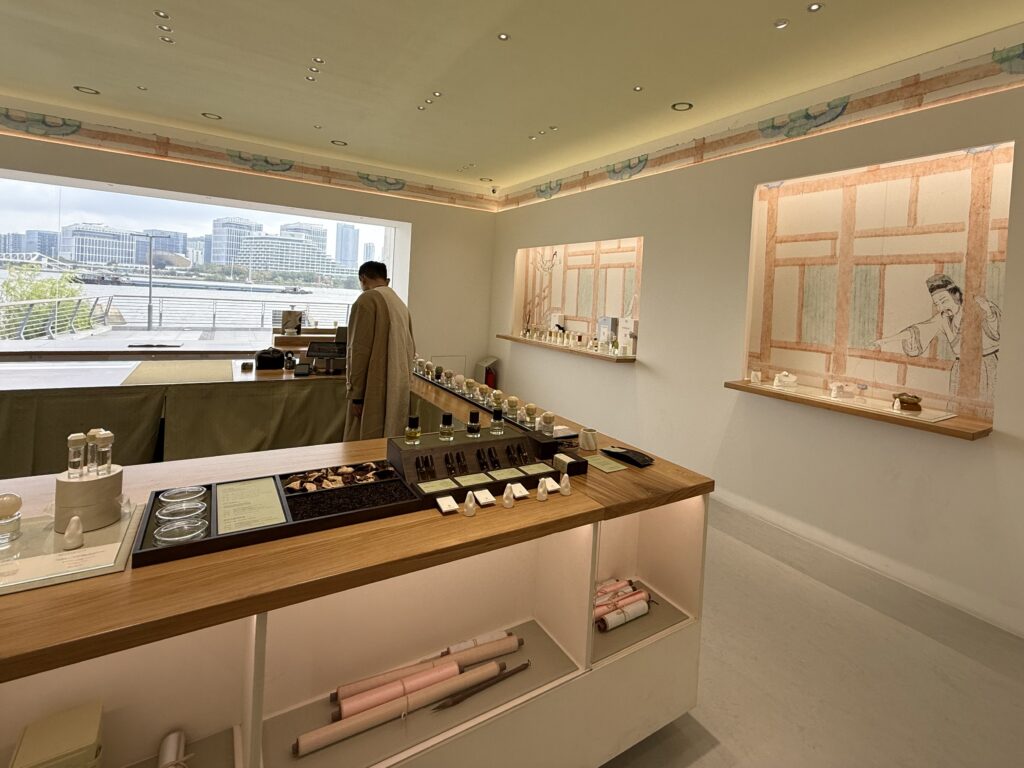
To Summer’s riverside pop-up at Shanghai’s GATE M translates this philosophy into a physical experience, designed like a contemporary ink painting. Guests can personalize their fragrance gift boxes with traditional Chinese seal stamps, each engraved with gentle wishes such as “如初见” (as if newly met) or “万事可期” (all good things ahead). The gesture, inspired by the Chinese art of inscription, reflects a view of beauty as expressive and personal.
Across China, beauty continues to evolve without losing its foundation in balance. As part of a WildChina journey, we can arrange visits to concept stores or spa experiences at our recommended luxury hotels, as well as a private appointment with our trusted TCM practitioner — each offering insight into China’s evolving approach to beauty and well-being. Get in touch with our travel designers to begin planning your experience.
By Mari Yang and Gabrielle Keepfer