Food and Drink
 Shopping
 Transportation
 Accommodation
 Useful Tips
 By city
 By Interests
 Pre-departure Guides
 Travel Updates

China is often imagined through the lens of its imperial past — the dynastic palaces of Beijing, the enduring watchtowers of the Great Wall, the poetic waters of Hangzhou’s West Lake. Yet alongside these timeless icons emerges another reality: driverless taxis gliding through the streets, drones ferrying packages overhead, and restaurants where robots serve guests with mechanical precision. Here, the historic and the futuristic are not opposites; they flow together, shaping a landscape at once deeply rooted and strikingly contemporary.
Cashless courtyards
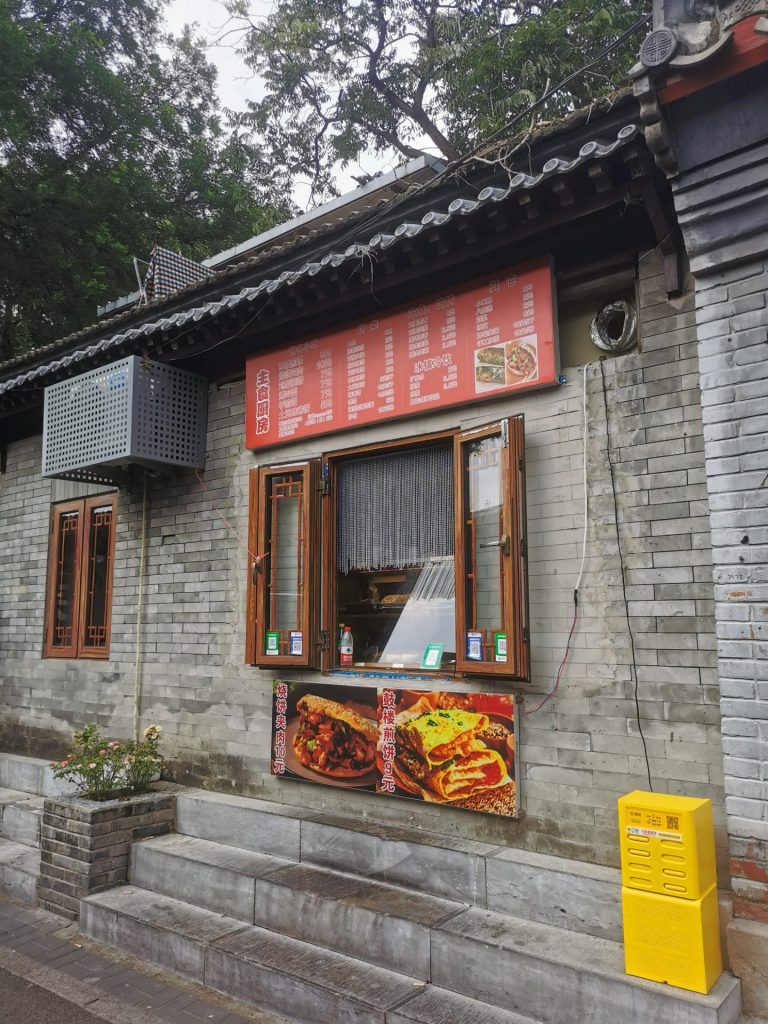
On a Beijing morning, narrow hutongs (alleyways) unfold in the same patterns they’ve followed for centuries: a shopkeeper arranges baskets outside a doorway, a vendor lifts golden youtiao (dough sticks) from sizzling oil, a cyclist weaves through the lanes. Yet the scene shifts in quietly transformative ways: a shopper scans a QR code to settle the bill for groceries, a diner receives breakfast at their door within minutes of ordering through an app, a commuter unlocks a shared bicycle with the tap of a screen. WildChina local guides invite travelers to experience the hutongs as residents do — navigating by scan and swipe amid the timeless atmosphere of the courtyards.
Innovation in motion
In cities across China, the surreal becomes ordinary the moment a car door closes and no one is at the wheel. Driverless taxis, summoned through everyday ride-hailing apps, glide through traffic with algorithms steering past buses and bicycles, adjusting speed and direction with remarkable precision. With the help of a WildChina local guide, travelers can step into a driverless ride, experiencing firsthand the future of urban transport.
The same spirit of innovation extends from the road to the rails. In Shanghai, the Maglev train — the world’s fastest in commercial operation — floats above its track at 430 km/h, covering the 30 km to the airport in just over seven minutes. Beyond the city, China’s Fuxing bullet trains reach 350 km/h along routes such as Shanghai to Hangzhou, linking the two cities in under an hour and ranking among the fastest high-speed journeys in the world.
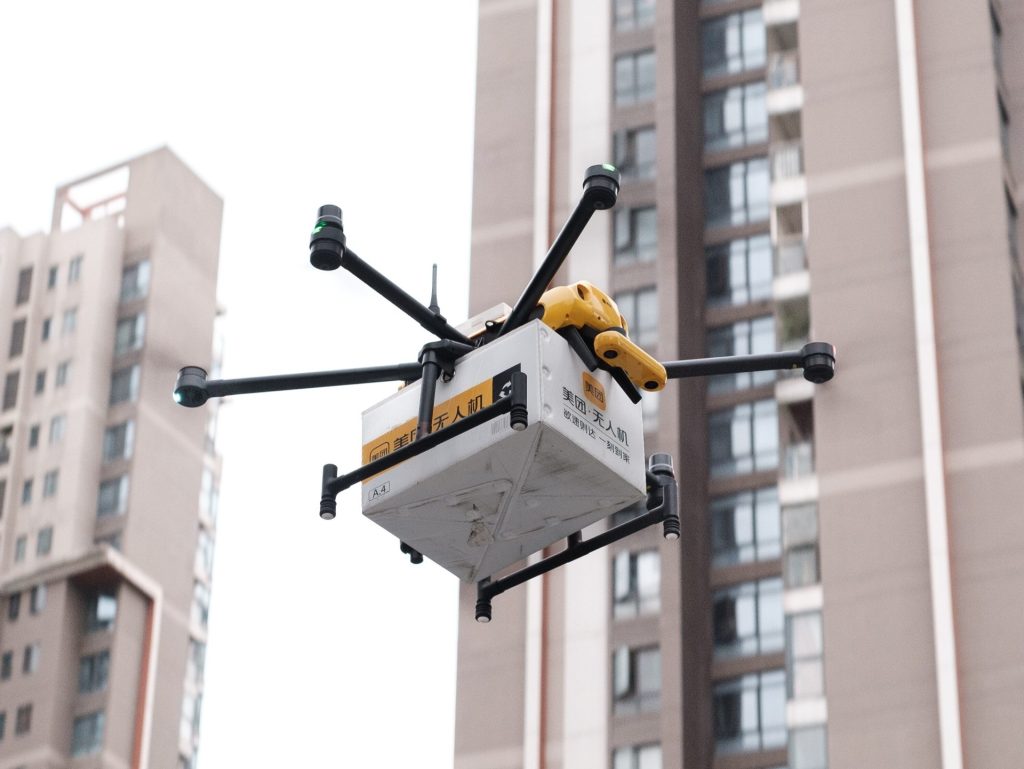
Delivery, too, has been reimagined. In Shenzhen, once a fishing village and now a global tech capital, drones are part of the city’s daily rhythm — fitting for a place where prototypes turn to products at lightning speed, and where giants like Huawei and DJI shape the devices used worldwide. In parks such as Lianhua Hill, visitors order tea or dessert through an app and watch as their order descends from the sky within minutes — a scene that captures Shenzhen’s reputation as a city where innovation is lived as much as it is engineered.
Even the Great Wall has entered this new era: at Badaling, visitors can scan a code and have drinks or snacks delivered by drone directly to a watchtower. For WildChina travelers, the drone experience goes beyond convenience. On off-the-beaten-path stretches of the Wall, licensed pilots capture sweeping aerial footage, transforming a hike along the ramparts into a cinematic memory.

Dining as digital theater
Dining in China today reveals how technology shapes not just how meals are served, but how they are experienced. In Beijing, this is epitomized at Haidilao’s smart flagship — a robot-aided hotpot restaurant, staffed by robot chefs and waiters. Here, automated servers glide silently between tables with trays of meat and vegetables, while immersive projections shift the walls around diners from starry skies to blossoming orchards.
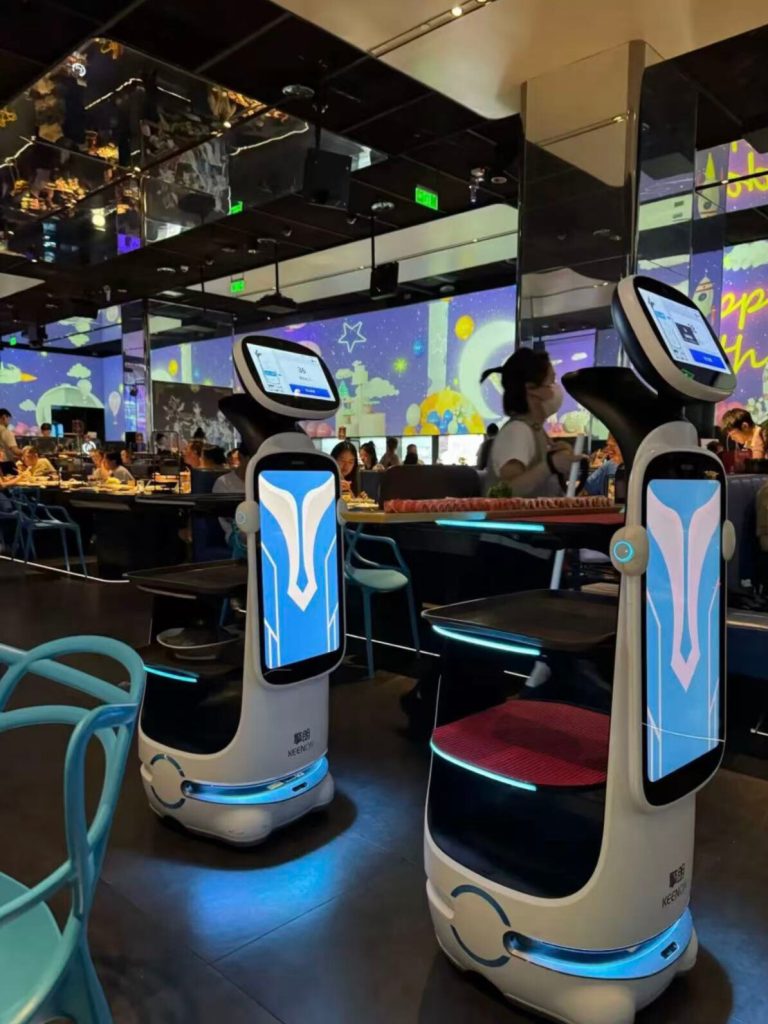
The innovation also extends to storytelling through food itself. WildChina guests can dine in a projection-mapped room where the history of Peking duck unfolds through light and narrative, or in Shanghai sit down with Le Petit Chef — a miniature 58-millimeter projection of a chef who scampers across each place setting, searing Wagyu and cracking chocolate lava cakes in sync with scent and sound. In these settings, dining in China becomes a blend of performance and playful experiment.
Ancient stories in digital light
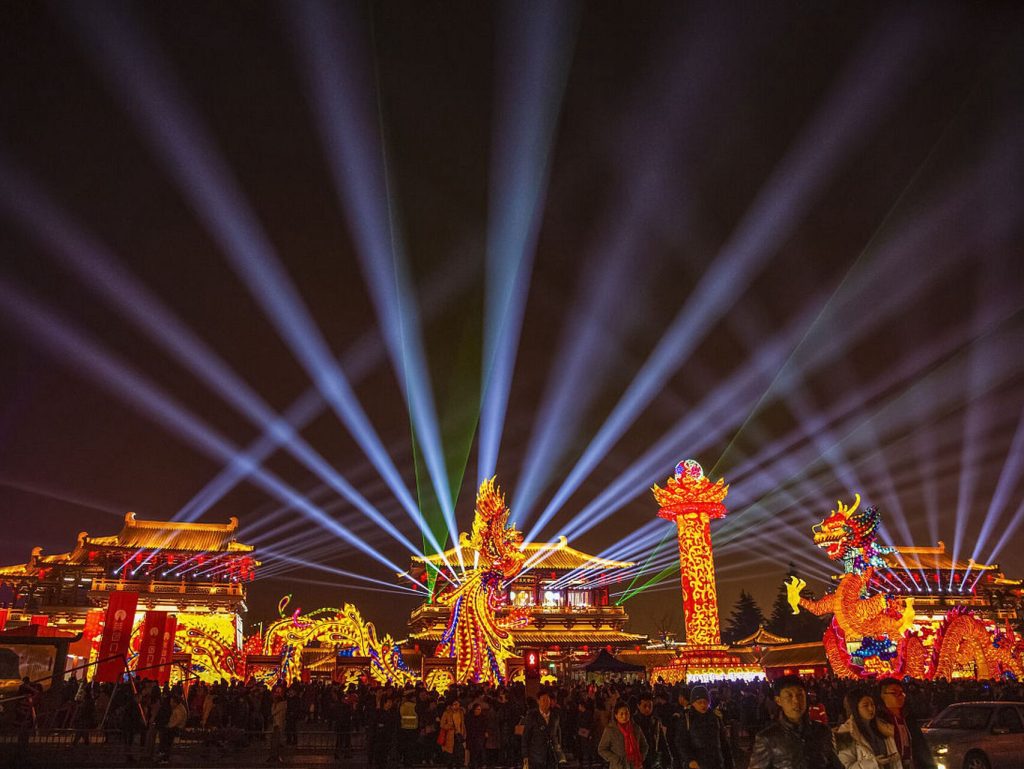
In China, technology not only looks forward — it also reinterprets the past. In Xi’an, conservators use 3D imaging to reveal faint traces of pigment on the Terracotta Warriors, digitally reviving the reds and greens that once covered their armor. After dark, the city’s ancient walls transform into 3D light shows, where history and myth are brought to life in luminous detail.
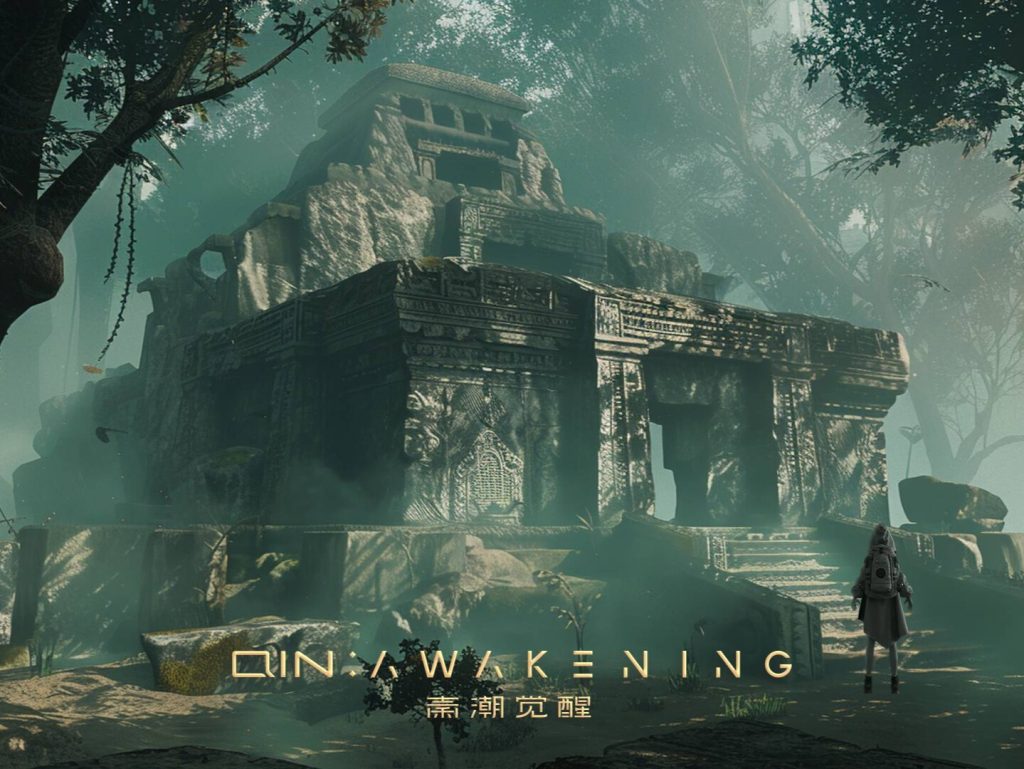
In Shanghai, the past is not only preserved but reimagined. At Qin: Awakening XR, an extended-reality production, visitors slip on headsets and move through layered dimensions: descending into hidden caves, encountering fragmented Terracotta Warriors up close, and stepping into landscapes animated by creatures from The Classic of Mountains and Seas. The experience blurs the boundary between archaeology and imagination, immersing travelers in a myth-scaled retelling of China’s first dynasty.
To travel through China today is to move through layers of time — a breakfast in a centuries-old hutong paid for with a scan; a driverless car navigating ancient streets; the colors of long-faded warriors restored through digital light. The future here does not overwrite the past; it builds upon it, creating a landscape where both are vividly present.
On WildChina’s High-Tech Tour, travelers can experience a journey that blends cutting-edge innovation with enduring tradition. To start planning, connect with our travel designers, or turn first to WildConcierge — our AI-powered chatbot offering ideas and inspiration.
By Gabrielle Keepfer