Food and Drink
 Shopping
 Transportation
 Accommodation
 Useful Tips
 By city
 By Interests
 Pre-departure Guides
 Travel Updates

UNESCO recently named Quanzhou in Fujian a City of Gastronomy, making it the seventh city in China to receive the designation. The title recognizes cities with long-standing food traditions, active culinary communities, and clear efforts to preserve and develop them.
China’s seven UNESCO Cities of Gastronomy together reflect the country’s extraordinary range of regional flavors. From fiery spice traditions in the southwest to seafood-rich coastal cuisines in historic port centers, these cities show how Chinese food varies by region and continues to evolve.
Quanzhou, Fujian: Coastal kitchens and maritime heritage
Quanzhou, on the southeast coast of Fujian, is the newest of China’s Cities of Gastronomy. Its cuisine reflects a long maritime history and close ties to the sea, where oysters, fish, and shellfish are central to daily cooking. Favorites include oyster omelets and pancakes, fish ball soups, and noodles cooked in seafood broth. Markets around Quanzhou showcase fresh catches alongside local snacks shaped by centuries of Maritime Silk Road exchange.
Quanzhou’s oyster culture extends beyond food. In nearby Xunpu village, oyster shells decorate and reinforce traditional homes, and at the Luoyang Bridge, oyster reefs were historically cultivated to strengthen its foundations. Oysters here shaped both what people ate and how they built, a relationship between food and environment explored further in our piece on the origins of oyster-tecture in China.

That same connection appears in our Fujian story, where Samantha Chen, a WildChina intern, reflects on growing up in the region. With WildChina, travel in Quanzhou can include visits to coastal heritage sites and historic waterways, offering insight into how maritime life continues to influence local food today.
Chengdu, Sichuan: Spice, teahouses, and market life
Chengdu was the first city in China to receive UNESCO’s City of Gastronomy designation in 2010. Today it is one of the country’s most influential culinary hubs, known for the interplay of heat, aroma, the numbing tingle of Sichuan pepper, and layered spice.
Standout local dishes include mapo tofu, dan dan noodles, and Chengdu hotpot, where diners cook meats and vegetables in spice-laden broths together at the table. Chengdu snacks such as spicy rabbit head and cold noodles are part of everyday eating and are best explored in local markets and back-alley stalls, where flavor and technique have been refined over generations.
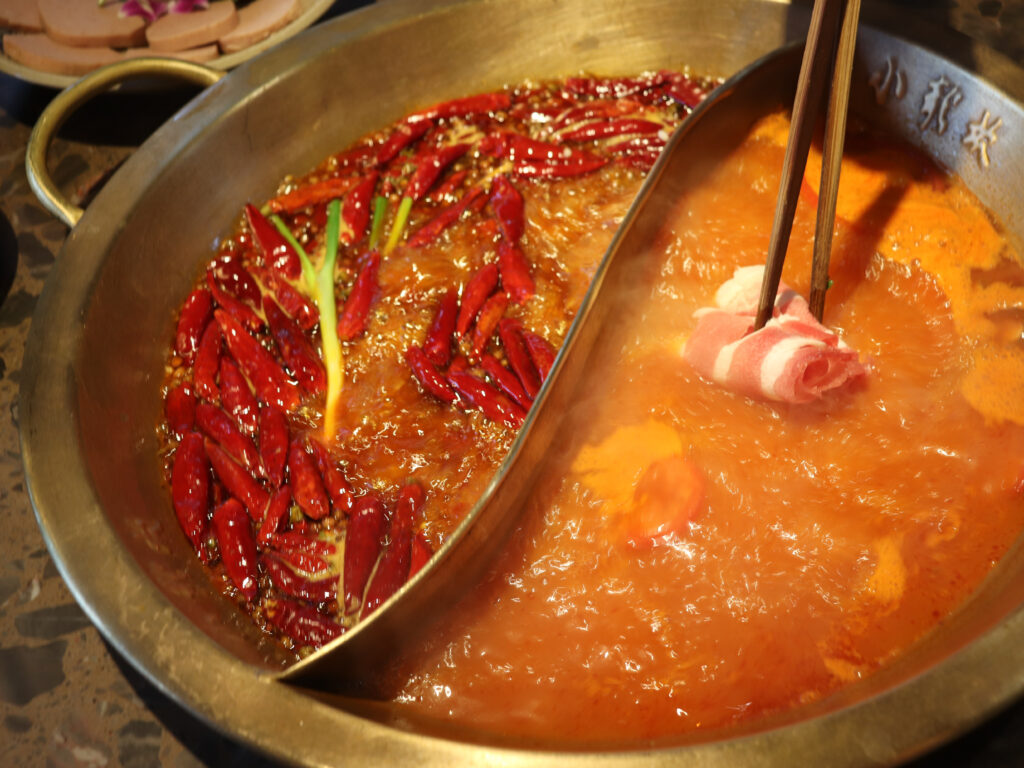
Alice, our Chengdu office manager and a local native, has put together a list of her restaurant recommendations for travelers to the city, ranging from classic Sichuan cuisine to adventurous modern kitchens. For those interested in exploring food beyond restaurant tables, WildChina journeys in Chengdu can include market walks, teahouse visits, and hands-on Sichuan cooking classes, offering first-hand experience in how Sichuan flavors are built and balanced.
Shunde, Guangdong: Cantonese technique and seasonal simplicity
Shunde, in the Pearl River Delta, is regarded as one of the birthplaces of Cantonese cuisine. It is recognized by UNESCO for traditions of cooking with river fish, delicate knife work, and light seasoning that emphasizes natural flavors.
Shunde cooking focuses on fresh, seasonal produce and technical precision. Signature dishes include steamed river fish, raw fish salad sliced paper-thin and dressed just before serving, and double-skin milk, a dessert made from milk, egg white, and sugar, valued for its smooth texture.
Travelers interested in Cantonese cuisine can stay in nearby Guangzhou while exploring Shunde’s food culture. WildChina journeys in the region can include visits to river communities where ingredients are sourced and prepared daily. For a closer look at Cantonese cooking as it is practiced today, our recent guide to Cantonese food explores the dishes and everyday settings that define the cuisine.
Yangzhou, Jiangsu: Huaiyang refinement on the Yangtze
Yangzhou is recognized as a City of Gastronomy for its contribution to Huaiyang cuisine, one of China’s major traditional schools of cooking. Located along the Yangtze River, the city long served officials, merchants, and scholars traveling between north and south China, encouraging a style of cooking that valued precision, clarity, and careful preparation.
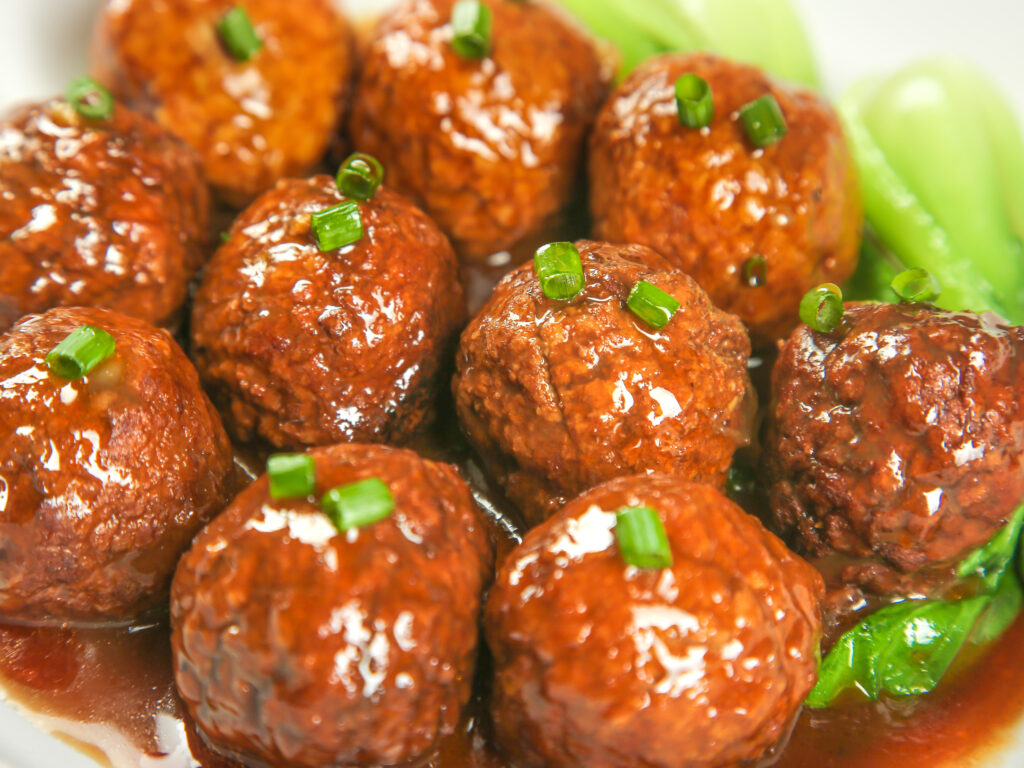
Those qualities remain visible today. Representative dishes include Yangzhou fried rice and lion’s head meatballs, large braised pork meatballs often served in a light broth. Zao cha (morning tea) continues to anchor daily food culture, with small plates and pastries enjoyed at a relaxed pace. WildChina journeys can include Huaiyang dining, from classic banquet dishes to extended morning tea sessions shared over multiple courses.
Chaozhou, Guangdong: Teochew cuisine and gongfu tea culture
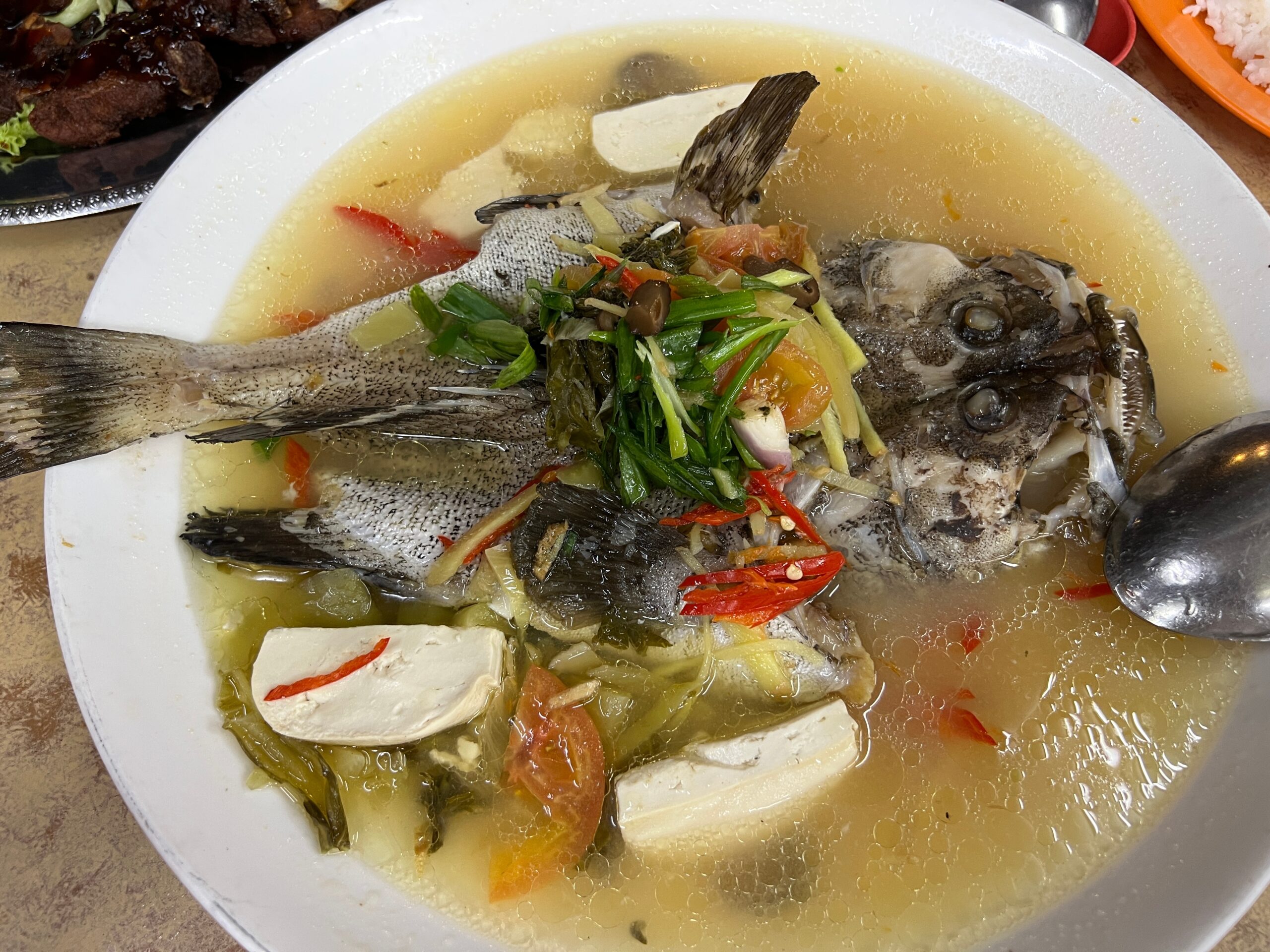
In eastern Guangdong, Chaozhou is recognized for its Teochew cuisine, a culinary tradition of the Teochew people native to the region. It is known for seafood-based dishes, including simply steamed fish and shellfish, slow-braised meats, and cooking methods that rely on gentle heat to preserve natural sweetness and texture. Well-known local dishes include oyster omelets, braised goose, and Teochew beef hotpot, where thinly sliced beef is briefly cooked in a clear broth.
Chaozhou is also known for gongfu tea, a meticulous brewing tradition that plays a central role in local social life. WildChina journeys in the Chaoshan region can include early-morning seafood markets, family-run eateries, and traditional tea spaces, offering a closer look at how food and tea shape daily routines.
Huai’an, Jiangsu: Grand Canal traditions and river produce
Sharing Huaiyang culinary roots with, and just north of, Yangzhou, Huai’an has its own identity shaped by the Grand Canal and nearby lakes and rivers. Local specialties draw on freshwater ingredients, including Xuyi crayfish and seasonal Hongze Lake hairy crab.
Banquet-style Huaiyang dishes continue traditions of careful presentation and clear flavors, developed to serve officials and merchants traveling the Grand Canal. When traveling through the region with WildChina, Huaiyang dining can take place in canal-side towns where this cuisine developed.
Macao: Portuguese and Cantonese combined
Macao is recognized by UNESCO as a City of Gastronomy for its Macanese cuisine, where Portuguese cooking traditions and local Chinese ingredients combine in dishes shaped by centuries of maritime exchange.
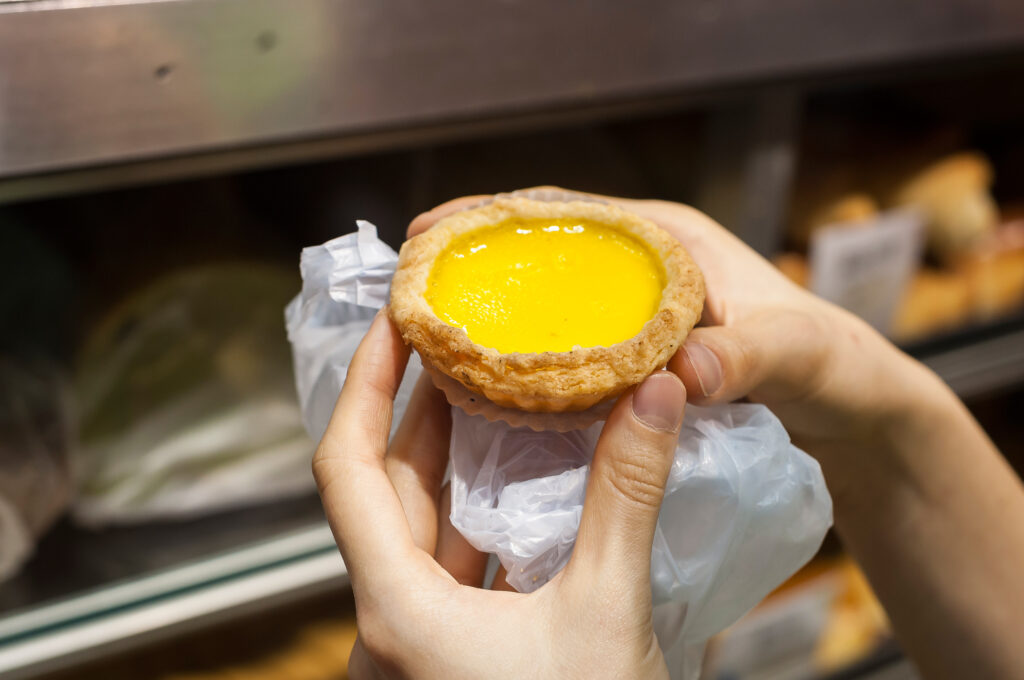
Signature dishes include minchi, made with minced meat and potatoes, chicken with chili and coconut, and Portuguese egg tarts found in neighborhood bakeries. Alongside this, Macao has a strong Cantonese dining culture, with seafood restaurants, congee shops, and noodle houses woven into daily life.
Get in touch with our travel designers to begin planning a journey that explores China’s landscapes, food traditions, and the stories behind them.
By Gabrielle Keepfer