Food and Drink
 Shopping
 Transportation
 Accommodation
 Useful Tips
 By city
 By Interests
 Pre-departure Guides
 Travel Updates

China’s liquid landscape has evolved far beyond the tea leaf, blossoming into a sophisticated map of world-class vineyards and masterful distilleries. From the “Napa Valley of the East” in Ningxia to the the pioneering whisky distilleries of Sichuan, here is how travelers can toast to a new era of Chinese wine and spirits.
China’s emerging wine regions
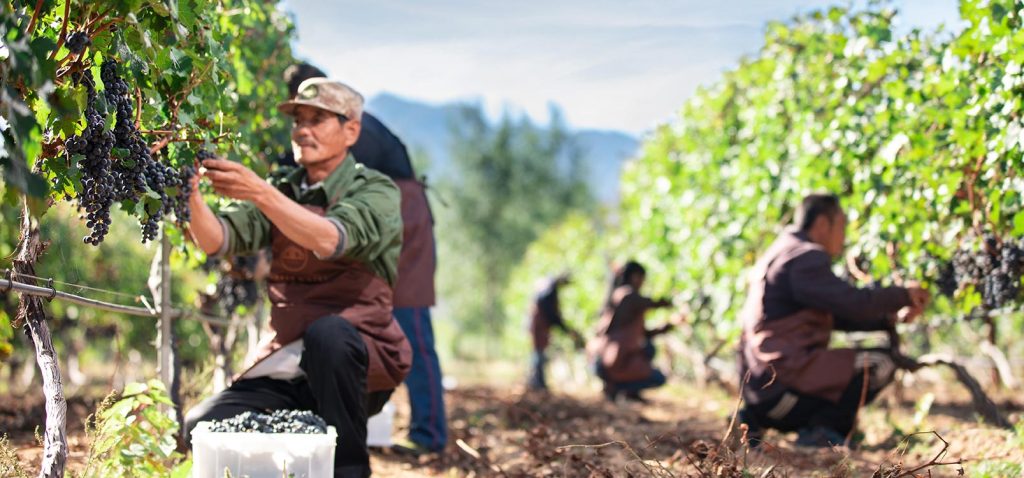
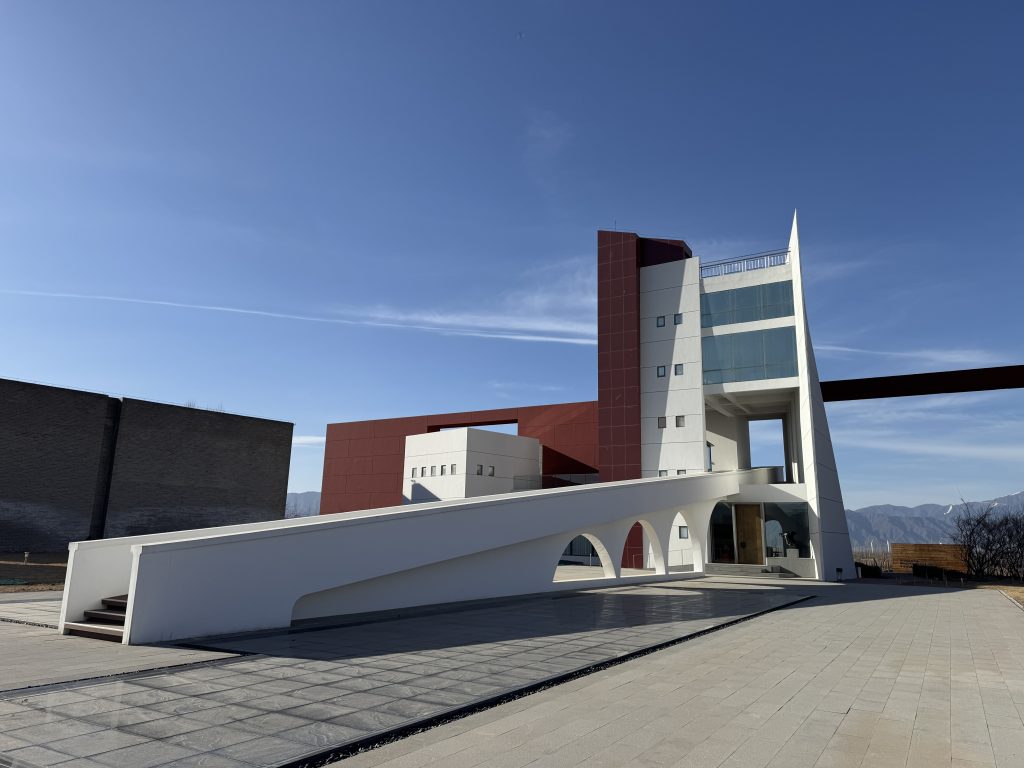
Some of the most compelling new coordinates on the global wine map now lie along the Helan Mountains of Ningxia and the high-altitude valleys of Yunnan. Chinese winemaking reached a milestone at the 2025 Decanter World Wine Awards, securing its first-ever “Best in Show” titles. Leading this charge is a dark, seductive red blend from the Helan Mountains, celebrated for its notes of black plum and a rich, chocolatey finish. With two labels breaking into the prestigious global Top 50, China is now earning recognition among the world’s leading wine regions.
Rising from the edge of the Gobi Desert, Ningxia is the crown jewel of Chinese winemaking. Here, the protective embrace of the Helan Mountains creates a “promised land” for structured, soulful reds like the Jia Bei Lan from Helan Qingxue and zesty Rieslings from Kanaan Winery that redefine the region’s versatility. In Shangri-La, Yunnan, high-altitude vineyards sitting at 3,000 meters produce vibrant Cabernet Sauvignon and Syrah with a crystalline purity that mirrors the crisp Himalayan air.
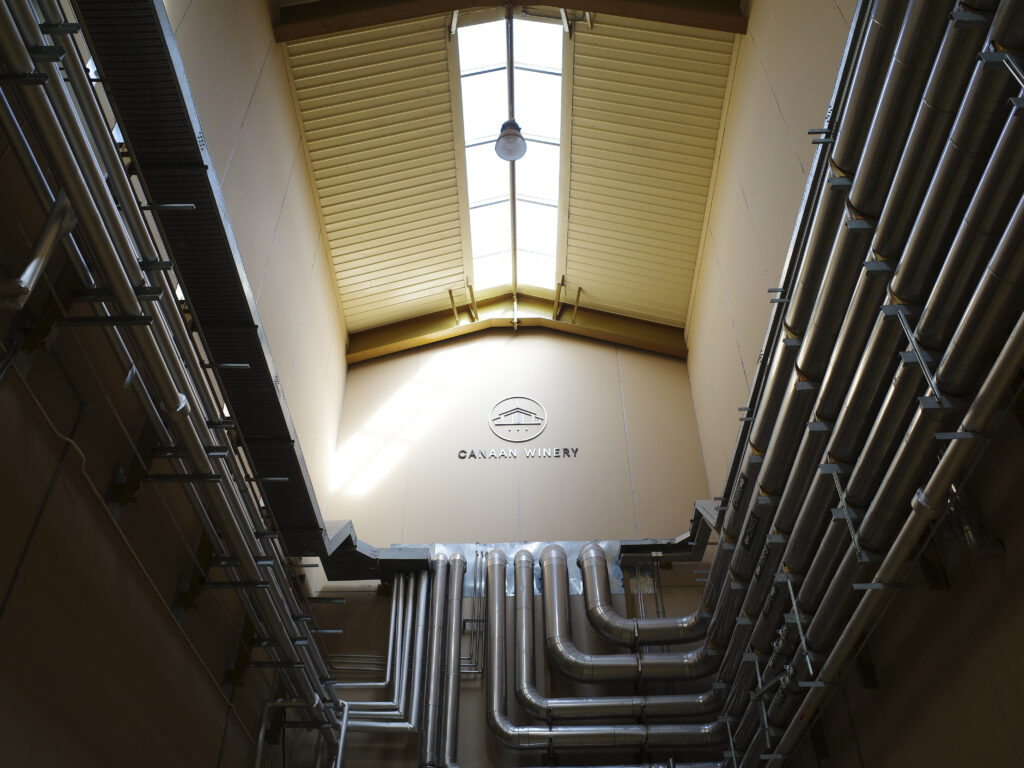
Closer to the capital of Beijing, in Huailai, pioneering estates like Canaan Winery and Domaine Franco-Chinois are reviving the country’s heritage with the indigenous, honeyed longyan (dragon’s eye) grape, alongside elegant, award-winning Chardonnays.
To experience the astounding variety of Chinese wineries and the visionary masters behind it, WildChina offers an exclusive wine tour led by Fongyee Walker, China’s first Master of Wine. This journey moves across China’s most evocative landscapes, from the ancient routes of the north to modern high-altitude estates, providing private cellar access and direct conversations with the winemakers redefining the global wine landscape.
Baijiu (grain spirit): tradition and technique
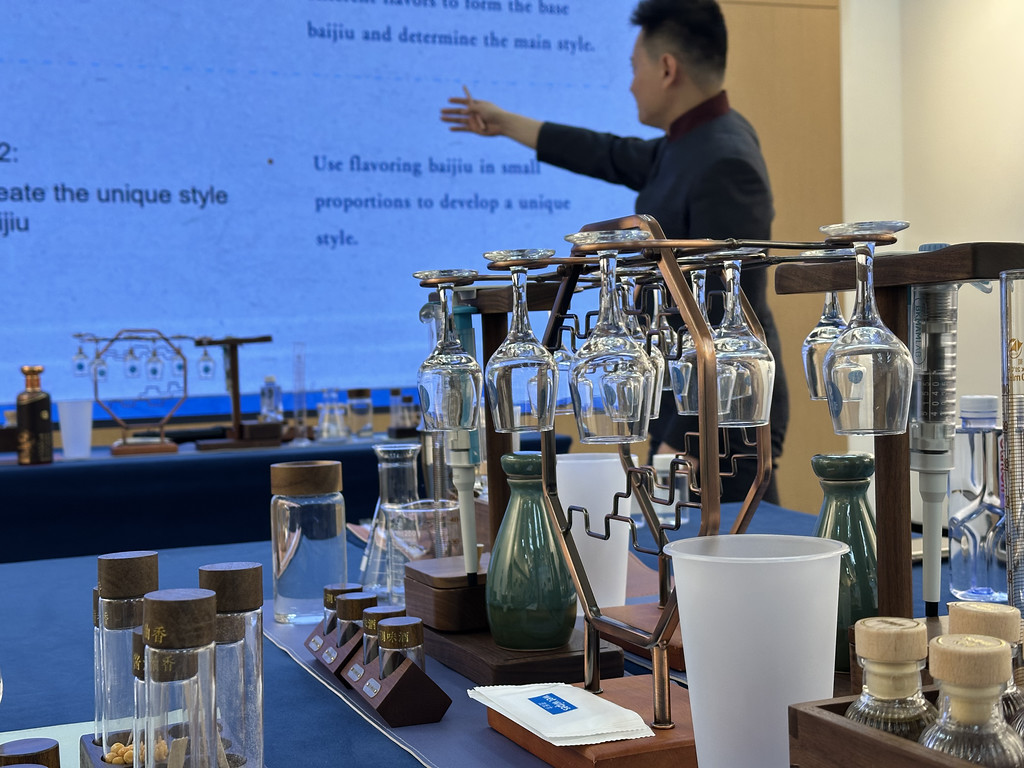
To understand the future of Chinese wine and spirits, one must also taste its history. While China has brewed fermented grain wines for 9,000 years, the clear, potent spirit known today as baijiu emerged through distillation refined during the Song and Yuan Dynasties. In the heart of Chengdu, the home of Shuijingfang, the air carries the toasted scent of fermented grain. This distillery represents over 600 years of continuous brewing history and is still a living museum of archaeological ruins alongside active fermentation pits that have been in use since the Ming Dynasty. Travelers can go behind the scenes on a private distillery tour and take part in a baijiu blending masterclass arranged by WildChina, working alongside a master to balance aroma profiles and craft a personalized blend.
Transitioning from the fiery depths of baijiu, you’ll find a softer, sweeter side of Chinese heritage in meijiu, commonly known as plum wine. This traditional liqueur is made by steeping tart green plums in distilled spirit, a method dating back more than 1,000 years. Once the muse of Tang and Song dynasty poets, this literati liqueur is experiencing a major revival led by brands like Chongqing-based Meijian, using light-aroma baijiu as a base. The result is an elegant, tart-sweet profile that provides a cooling, sophisticated balance to the local spicy cuisine.
Chinese single malt in the mountains
A global spirit is carving its name into the Chinese highlands, as whisky finds a bold, new origin in the towering landscapes. At the foot of Mount Emei, one of China’s sacred Buddhist peaks, sits The Chuan, a whisky distillery by Pernod Ricard. Its architecture blends into the forested slopes, framing the spirit aging within. Rather than imitating established whisky traditions, the spirit is shaped by the mountain’s distinct microclimate. Matured in Chinese Danling oak from the forests of Changbaishan, the spirit carries notes of sandalwood and aged tangerine peel, distilling the essence of the Sichuanese forest into every drop.
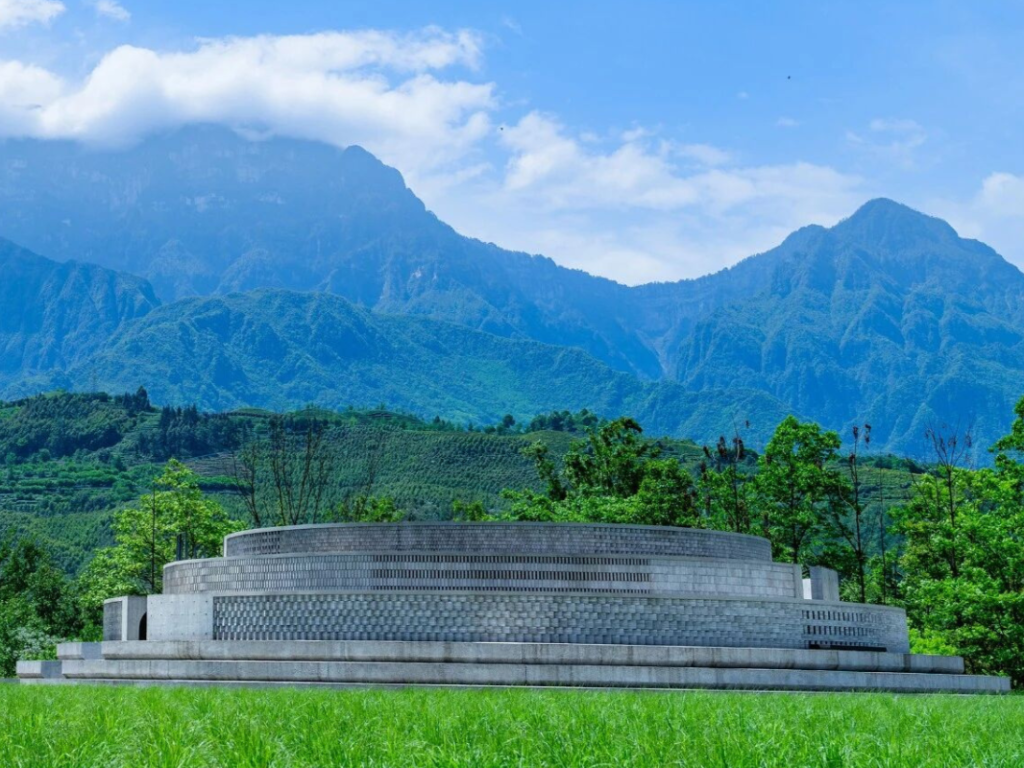
Further south, global spirits company Diageo’s newly unveiled YunTuo distillery sits high at 2,100 meters near the pristine waters of Erhai Lake in Yunnan. Its name translates to “explore among the clouds,” which aptly describes this high-altitude frontier. Although the opening date for visiting is yet to be announced, future guests will be welcomed by a monumental tower of one thousand oak casks curated from renowned distilleries across the globe. In this landscape, high altitude and local biodiversity create a temperate environment for maturation, with Yunnan oak contributing a distinct regional character.
A new wave of Chinese craft gin
A new wave of craft gin is emerging, with distillers raiding China’s ancient botanical spice cabinet to capture the electric heat of Sichuan peppercorn and the citrus perfume of Buddha’s hand. Leading the scene is Peddlers Gin Co., a label born from the back alleys of Shanghai that has become a global standard-bearer for Chinese craft. Their signature blends utilize organic botanicals sourced from the edges of the Gobi Desert to the humid valleys of Sichuan, including a playful Tanghulu limited edition for the 2026 Year of the Horse. This release captures the nostalgic sweetness of the iconic street snack by infusing the spirit with hawthorn berries and a hint of caramelized sugar, transforming a traditional winter treat into a sophisticated botanical profile.
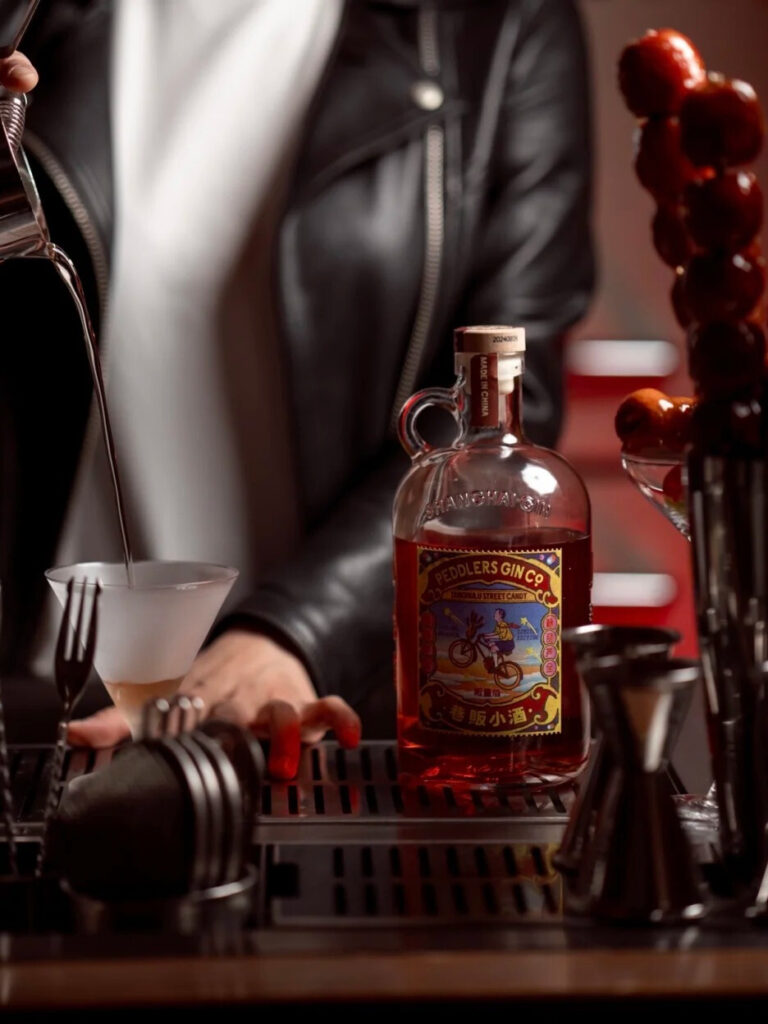
Photo by Peddler’s Gin Company.
Providing a seamless gateway to these flavors, The House Collective offers the ultimate urban spirits experience across its Upper House locations in Hong Kong, Shanghai, and Chengdu. These bars serve an exclusive, small-batch gin collaboratively crafted by the collective’s bar teams and distilled in Yunnan. This contemporary gin captures the essence of each city: floral chrysanthemum from Hong Kong, zesty lemon peel from Chengdu, and creamy white magnolia from Shanghai. Within these award-winning spaces, each pour serves as a dialogue between modern design and local terroir, bridging ancient medicinal heritage with global cocktail culture.
The story of Chinese wine and spirits has moved beyond the preservation of history and is now a masterclass in modern innovation. By reclaiming local ingredients and microclimates, China is carving its own path, drawing strength directly from its own ancient wisdom and diverse terroir. This self-assured approach has created a drinking culture that is increasingly distinctive. Beyond the glass, this movement opens a new map of discovery, offering an endless array of immersive cellar-door experiences and singular pours that are as much about the place as they are the palate.
To experience the evolving world of Chinese wine and spirits first-hand, reach out to one of our travel designers to start crafting your bespoke spirited journey.
By Mari Yang