Food and Drink
 Shopping
 Transportation
 Accommodation
 Useful Tips
 By city
 By Interests
 Pre-departure Guides
 Travel Updates

As the lunar calendar turns, the Year of the Horse arrives with a sense of energy and forward motion. In China, the horse has long stood for freedom, progress, and a spirit of discovery. For centuries, it carried traders, pilgrims, and messengers across deserts, mountain passes, and ancient trade routes, guiding both physical travel and spiritual journeys. That same sense of movement and connection lies at the heart of WildChina journeys, following paths where each step deepens cultural understanding.
The horse in the Chinese zodiac
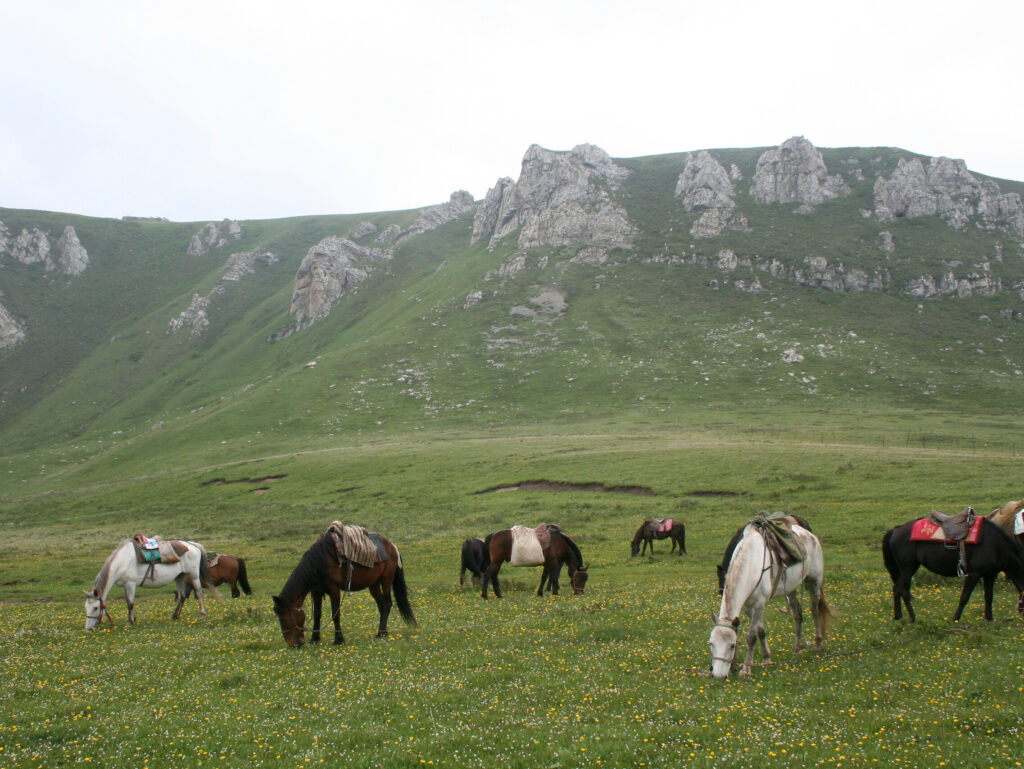
The horse is the seventh sign in the Chinese zodiac, associated with energy, independence, and ambition. Those born under this sign are often described as warm-hearted and quick-thinking, with a natural drive to keep moving forward. Open landscapes and distant horizons have long echoed the horse’s character, rooted in freedom and exploration.
The upcoming Year of the Fire Horse brings added intensity to these qualities. In Chinese cosmology, each zodiac year aligns with one of the five elements, which cycle every sixty years. Fire is linked with passion and change, and when paired with the horse’s natural dynamism, it points toward a year marked by momentum and transformation.
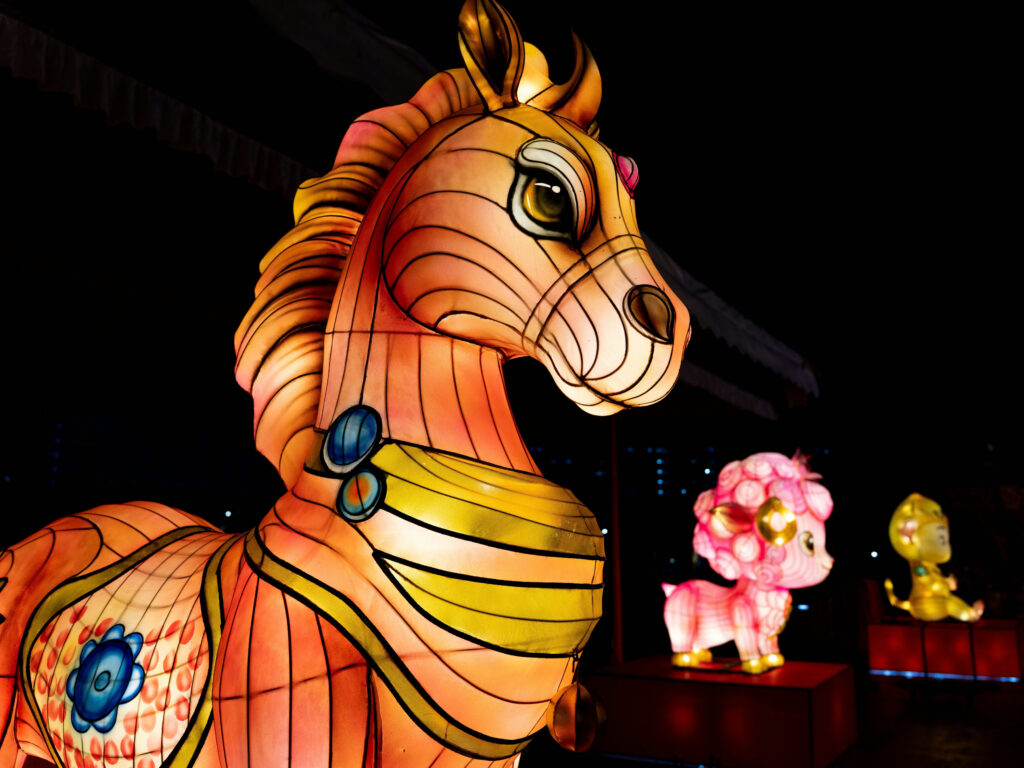
The horse in Chinese culture and legend
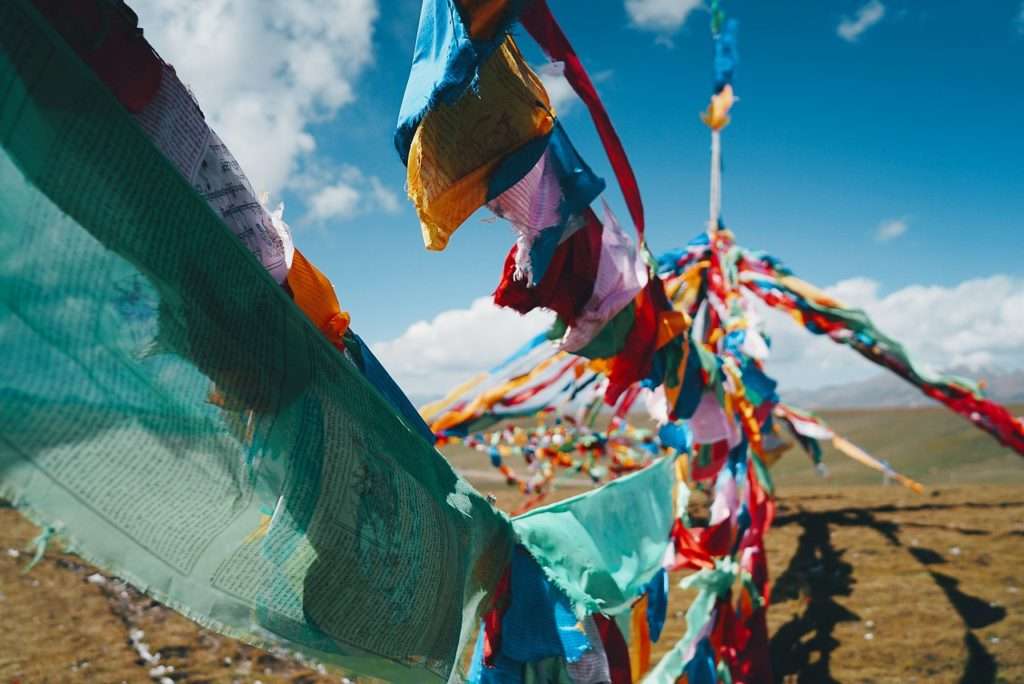
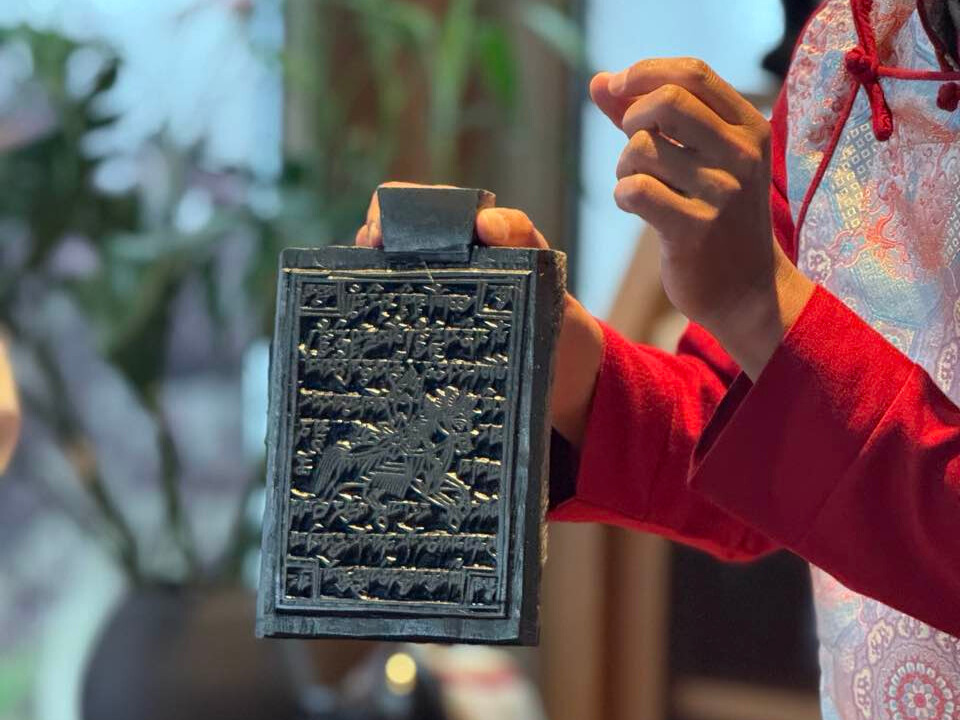
Beyond astrology, the horse holds a rich place across China’s cultural traditions. On the Tibetan Plateau, it appears in spiritual symbolism through the Wind Horse, or Lungta. Prayer flags bearing its image flutter across high mountain passes, carrying wishes and blessings on the breeze. The Wind Horse represents vitality, good fortune, and the strength to rise above hardship, linking the animal with spiritual aspiration. On Year of the Horse WildChina journeys in Shangri-La, Yunnan, guests can create their own prayer flags and hang them at local monasteries, inviting blessings along their journey.
The horse also features in one of China’s most beloved classical novels, Journey to the West. The monk Xuanzang’s faithful steed is revealed to be Bailong Ma, the White Dragon Horse, a dragon prince who takes the form of a horse to accompany the long pilgrimage to India. Throughout the journey, Bailong Ma carries the group across vast landscapes, becoming a symbol of loyalty and perseverance along the spiritual path.
Paths forged by hooves
WildChina’s journeys often follow routes once carved by horses’ hooves. For centuries, these animals connected cultures, carrying tea, salt, silk, and ideas along rugged trails through mountains and remote valleys.
One place where this sense of movement is deeply felt is the Tibetan Plateau. High-altitude paths once guided pilgrims around sacred mountains and linked kingdoms through trade. Today, WildChina’s journeys through Tibet reveal a land where travel has long carried both physical and spiritual meaning.
From Lhasa’s historic heart to remote monasteries set against open valleys, Tibet unfolds across terrain long traveled on horseback. Sacred sites such as Jokhang Temple and the Potala Palace reflect centuries of devotion, while quieter moments, including pilgrims prostrating along stone pathways and monks chanting in candlelit halls, offer insight into a culture shaped by faith. Further west, desert plains and mountain corridors recall routes where horses once carried people and goods across the vast plateau.
Along the ancient GUDAO trails
Equally tied to the horse’s legacy are the ancient trading routes known as GUDAO. Among them, the Tea Horse Road formed a vast network of paths stretching from Yunnan and Sichuan into Tibet and beyond. For over a thousand years, traders traveled these trails with pack horses carrying tea bricks northward. Along the way, villages grew, blending ethnic traditions, local cuisines, and distinctive architectural styles. While horses once led long-distance caravans along these routes, mules are now more commonly used, valued for their strength and steady footing across steep mountain terrain.
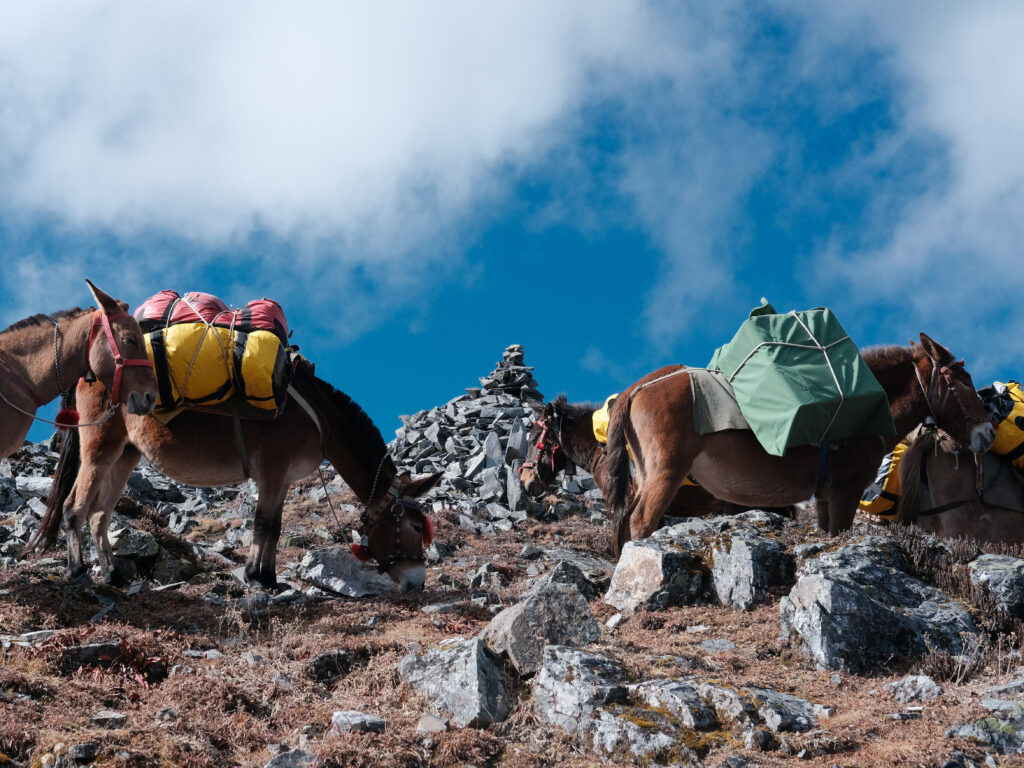
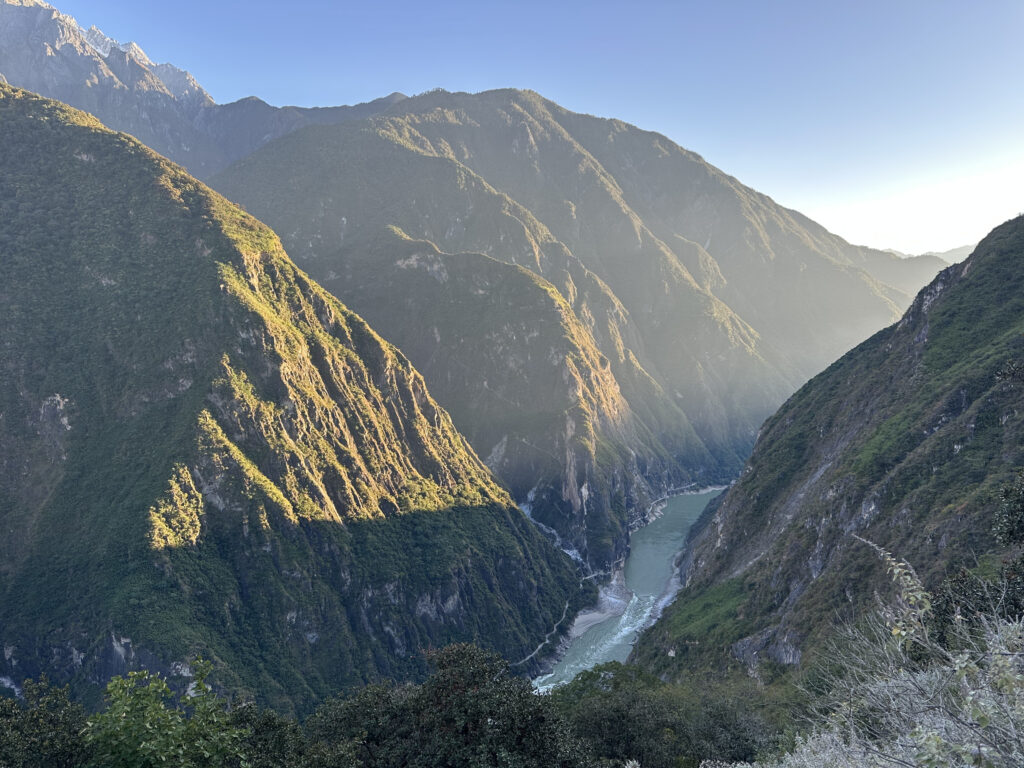
Walking these trails today offers a tangible link to living history. Stone paths wind past terraced tea fields, hanging bridges stretch across rushing rivers, and remote mountain communities continue traditions shaped by centuries of exchange. Places such as the Tiger Leaping Gorge, where the Jinsha River cuts through one of the world’s deepest canyons, reveal both the power of nature and the skill once required to navigate it.
The Year of the Fire Horse invites reflection on why movement matters, not simply as travel between places but as a force that has long driven connection, exchange, and change. As the year begins, its message speaks of momentum and discovery, encouraging journeys that follow historic paths while opening space for new experiences along the way.
To begin a transformative journey, get in touch with our travel designers to curate an experience across China inspired by the Year of the Horse.
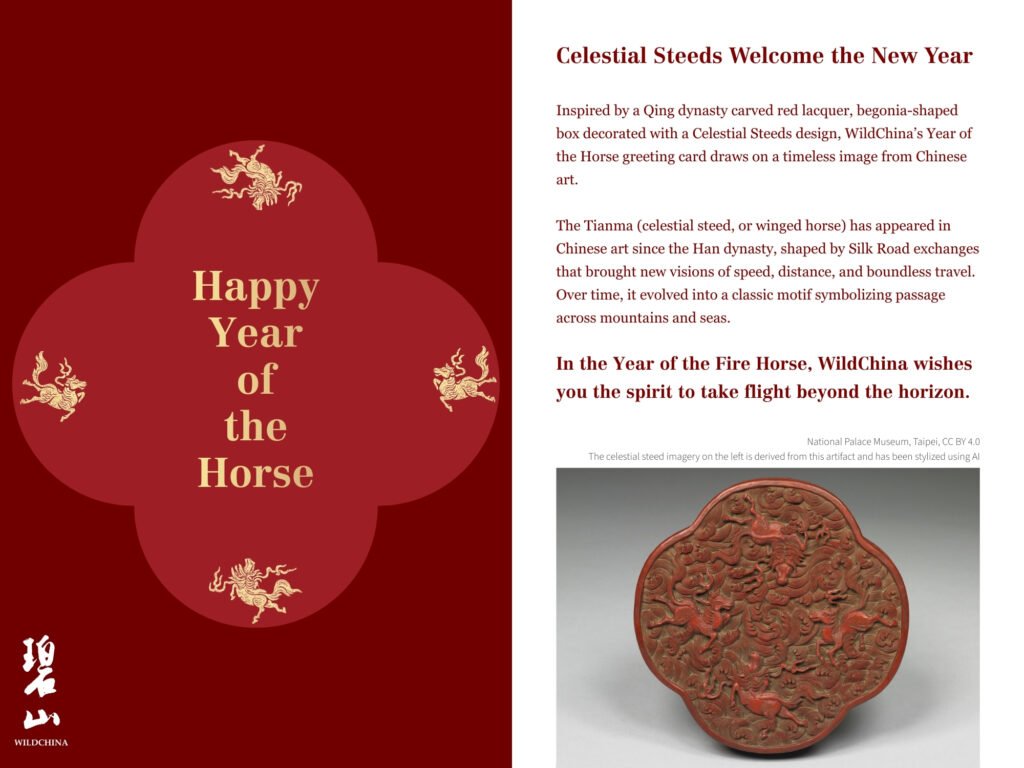
And from all of us at WildChina, warm wishes for a Year of the Horse filled with meaningful journeys, discovery, and lasting connections.
By Gabrielle Keepfer