Jewish Tour of China

Send Us An Enquiry
Send Us An Enquiry
  • This field is for validation purposes and should be left unchanged.
  • MM slash DD slash YYYY
Save To Wish List

Adding item to wishlist requires an account

9182

Have questions?

Don't hesitate to reach out. Our travel designers will be happy to guide you!

China:
+86 10 6465 6602

USA:
+1 888 902 8808 (Toll Free)

Email:
info@wildchina.com


Follow us on WeChat!

If you use WeChat, scan this QR code to follow our official account, WildChina_Journeys. On WeChat, you’ll have China-travel inspiration at your fingertips and we have travel designers on call 24/7 to answer your questions.

10 Days
Availability : Spring, Summer, Fall, Winter
Beijing
Shanghai

Uncover the legacy of Jewish China on this highlights tour with a kosher twist. Explore the synagogues and Jewish quarters of Tianjin and Harbin, and discover how Shanghai saved the lives of thousands of refugees during WW2.

About this Journey

Explore China’s Jewish past on this special Jewish heritage trip that will take you to China’s historic Jewish hubs of Tianjin, Harbin, and Shanghai. Jews and Judaism have a long history in China and while much of that is indeed confined to history, proud architectural testaments and Jewish communities can still be found today. The bustling metropolis of Shanghai, better known today for its high-rises than its humanitarianism, once played a role in saving the lives of around 20,000 Jews during World War II. Visit the former Shanghai Jewish Ghetto and synagogue as you develop an understanding of how Jews used to live in China.

What we love
  • Discovering the unexpected Jewish and European architecture of Harbin
  • Learning about Shanghai's heroic part in saving the lives of thousands of Jews during WWII
  • Paying respects at the Ohel Moshe Synagogue, once the center of Shanghai's Jewish community.
Map
Jewish Tour China map
Itinerary

Day 1Beijing

First Stop: Beijing

Hong Kong may be modern and Xi’an may have a long history, but Beijing is a mix of both. Serving as China’s capital since the Yuan Dynasty (1279-1368 AD), Beijing’s past, present, and future are forced together in the crowded neighborhoods and streets of the city. Despite a divide between new and old, one thing about Beijing has remained constant for centuries: hard-handed political power, as well as thriving intellectual and artistic thought, continues to influence China and the world.

Your Journey Begins

Today is the day, the start of your WildChina adventure. Step off the plane in Beijing and meet your local WildChina guide in the airport arrivals hall. They’ll be waiting to welcome you and will have your private vehicle on standby, ready to whisk you off to your hotel for check in.

An Evening to Yourself

Head back into town, rest up, and spend the remainder of your final evening as you please.

(Optional) Dinner at TRB Hutong

TRB Hutong serves up modern takes on European haute cuisine in a wonderfully restored 600-year-old Chinese temple complex. Transformed by Australian architectural firm Hassell into a contemporary restaurant filled with natural light, TRB’s temple home is just the beginning of the very special dining experience. Belgian proprietor Ignace Lecleir leads the gracious and attentive staff, creating an atmosphere of regal calm perfectly balanced with the inventive dishes. The food blends new and old, with creative reinterpretations of classic dishes. TRB Hutong is Beijing’s most extravagant fine-dining experience. It’s no wonder TripAdvisor ranked it the number one fine-dining restaurant in Asia in 2018. We’ve worked closely with TRB to create a set menu of our favorite dishes for you to enjoy.

Day 2Beijing

The Forbidden City and Tiananmen Square

Step inside the Forbidden City, a massive imperial palace once home to China’s emperors and the geographic center of Beijing. The gates were shut to all but the royal household and their entourage of eunuchs and concubines for 600 years until, in 1924, a powerful warlord gave the last emperor just three hours to leave. Beyond the imposing red walls to the south lies Tiananmen Square, where, Chairman Mao, China’s most powerful ruler lies embalmed in a glass coffin within his own giant mausoleum.

Jingshan Park

No exploration of the Forbidden City is complete without a visit to Jingshan Park. Located just across the street, a short hike up Jingshan Hill rewards visitors with stunning panoramic views of the old Imperial Palace and Beijing. Made from dirt excavated from the Forbidden City’s moat, the hill also stands as a feng shui defense against evil spirits that may threaten the palace.

The Temple Hotel Exhibition

Discovered in 2007, shrouded in dust and rubble among Beijing’s new developments, zizhusi is a living piece of Qing Dynasty history. Today, zizhusi temple forms the centerpiece of the Temple Hotel and its 3,500 sq. meters of rotating contemporary art exhibitions. We will stroll through the 600-year-old courtyard and discuss its historical importance and discover the art for ourselves.

Into the Hutongs

Ask the residents of Beijing’s hutong alleyways, the crisscrossing mazes of courtyards and alleyways which make up the heart of the city, and they’ll tell you that anyone who lives further out isn’t really a Beijinger. You’ll see elders whiling away the night with a game of Chinese chess or mahjong, shopkeepers selling traditional snacks like jianbing (pancakes) and baozi (steamed buns), and hear calls announcing the arrival of the knife sharpener or cardboard collector. It is in these ancient neighborhoods where the capital’s distinct culture was generated, and where it continues to thrive today. You’ll spend the afternoon stopping by the homes of some of the city’s more traditional residents.

Wheelchair Accessibility: While the hutong alleyways are generally navigable, some traditional doorways or shop entrances may have small steps where assistance will be needed. A limited number of accessible restrooms are available.

(Optional) Peking Duck Dinner

With crispy, succulent skin snapping effortlessly to reveal the tender meat below, it’s unsurprising that Beijing’s signature dish, Peking duck, has been the benchmark of indulgence and culinary perfection in China for hundreds of years. We highly recommend tucking into a meal quite literally fit for an emperor, where the bird is cooked whole in stone ovens and sliced tableside in true imperial style.

Day 3Beijing

Drive to Jinshanling

The ride from Beijing downtown to Jinshanling Great Wall will take around 2.5 hours one-way.

The Great Wall at Jinshanling

Rising from the sea in the east before extending 5,000 miles to the deserts of China’s far west, this is arguably the greatest man made wonder on earth: The Great Wall. WildChina bypasses the more touristy sections, taking you straight to the stunning Ming Dynasty ruins outside Beijing from which lonely guards far from home once kept a weary watch over the barbarian lands beyond.

Three hours from Beijing, in the rugged mountains of Hebei Province, is one of the most picturesque parts of the Great Wall reachable from the capital. Free from the crowds of its closer, neighboring sections, more remote Jinshanling’s 10.5km stretch of both restored and wild wall is steeped in centuries of history. A short gondola-ride up the mountain followed by a three-hour hike offers an unbelievable view of countless watchtowers stacked against endless mountain silhouettes, and a window into the mind of those ancient soldiers who once shared this view many hundreds of years before.

Day 4Beijing

The Temple of Heaven

Once a site of ritual and sacrifice where rulers would pray for good harvests, the Temple of Heaven is home to ancient engineering marvels and, now, Beijing’s best people-watching spots. Meander through curved, airtight walls that housed an acoustics system far before its time, and spot the subtle divine motifs cleverly incorporated throughout the grounds, all while basking in the sea of Beijingers who gather here for everything from tai chi to rowdy bouts of ‘Fight the Landlord’ – a revolutionary era card game.

The Summer Palace

Live an afternoon of royal splendor just 30 minutes from Beijing at the Summer Palace, whose regal pathways and pavilions were built by the Empress Dowager Cixi, a former concubine who went on to become the most powerful woman in China. Unwind from her tales of backstabbing and betrayal with a leisurely boat ride across the garden’s centerpiece, Kunming Lake, but as you do spare a thought for the 10,000 laborers who were forced to dig at Cixi’s behest.

Day 5Tianjin

High Speed Train to Tianjin

Your WildChina guide and private chauffeur will escort you to the train station and help you check in for your train. Upon arriving in Tianjin, your local WildChina guide will meet you in the arrival hall with your private vehicle on standby to take you around the city for the day.

Wudadao (Five Great Avenues)

Wudadao, Five Great Avenues, is an area of Tianjin that was historically home to the foreign concessions. As a result, the architecture in this district is unique and varied, featuring styles typical of European countries including Britain, Italy, and Germany. Complete with tree-lined boulevards and a clock tower, a walk down Wudadao transports you back through Tianjin’s marbled and little-known past as an international treaty port.

Xiaobailou District (Old Jewish Ghetto)

During the 1920s and 1930s, Tianjin boasted China’s third largest Jewish population. Although not many buildings from this period remain today, the ‘Five Great Avenues’ neighborhood is still home to Jewish residences. A Gothic-style synagogue built in 1939 recalls the melange of Jewish, Russian, and Chinese architectural styles of the turn of the century.

Day 6Harbin

Next Stop: Harbin

When wandering past the emerald domes of the Church of St. Sophia and along Harbin’s main thoroughfare, one would be forgiven for thinking they’ve been miraculously transported to the streets of Saint Petersburg. Nestled in China’s chilliest, most northeastern province of Heilongjiang, the provincial capital is a multicultural hub, boasting a unique confluence of Chinese and Eastern European cultures. When it was founded in 1898, Harbin’s population primarily consisted of Russian and Jewish immigrants. Although the European citizenry diminished through the years, the remnants of the city’s international past live on in its architecture and folklore.

Flight to Harbin

Your WildChina guide and private chauffeur will escort you to the airport and help you check in to your flight. Upon arriving in Harbin, your local WildChina guide will meet you in the arrival hall with your private vehicle on standby to take you to your hotel.

Harbin New Synagogue

The Harbin New Synagogue, now a Jewish Cultural Museum, still stands as the largest synagogue in East Asia. Situated in the heart of the city’s foreign district, explore the halls of this religious sanctuary and get a glimpse of what life was like for Harbin’s “youtairen,” or Jewish population. In the synagogue, you’ll find historical descriptions, black-and-white photos, and relics of times past. Take your time during your visit and enjoy this unique aspect of Harbin’s multicultural past.

Church of St. Sophia

Towering over the sprawling Chinese metropolis, the verdigris domes of the Church of St. Sophia are a sight for sore eyes. Constructed in 1907 to serve Harbin’s booming Russian population, this once-functioning Russian Orthodox Church – the largest in the Far East – was almost lost to development. Fortunately, charitable donations during the 1990s helped to transform the cathedral-turned-warehouse into a museum. As you walk beneath its timeworn arches, peruse the collection of images and artifacts depicting the lives of foreigners in old Harbin, including its vivacious Russian and Jewish communities.

Central Street

Alive with Russian heirloom shops, locals going about their daily life, and a fascinating blend of architectural styles, Central Street (or Zhongyang Dajie) is the main boulevard through Harbin’s historic quarter. Once called Kitayskaya Street, meaning Chinese in Russian, this pedestrian-only thoroughfare is lined with churches, synagogues, and Baroque and Art Deco buildings, some newly renovated and some worn by time. As you wander the cobbles listening to tales of the city’s rich history, you can almost picture the locals from Harbin’s founding, bedecked in fur and walking the age-old streets with Jewish pastries in hand.

Day 7Shanghai

Next Stop: Shanghai

Once a mere backwater fishing village, the destiny and fortunes of Shanghai changed forever when the British opened their first concession here in 1842, followed soon after by the French and Americans. Shanghai today retains those charms in the tree-lined streets of the former French Concession and iconic banking houses along the Bund; at the same time, the urban bustle and multitudes of skyscrapers are a testament to Shanghai’s aspirations to be a major international metropolis. Now the financial capital of China, Shanghai is a great place to check out the old, the new and the foreign in this worldly economic and cultural center.

Flight to Shanghai

Your WildChina guide and private chauffeur will escort you to the airport and help you check in to your flight. Upon arriving in Shanghai, your local WildChina guide will meet you in the arrival hall with your private vehicle on standby to take you to your hotel.

An Evening to Yourself

Head back into town, rest up, and spend the remainder of your final evening as you please.

Day 8Shanghai

Expert-led Jewish Quarter Tour

Jewish history is not something that springs to mind when thinking of Shanghai, but this is a city that has seen Jewish migration from as far away as Baghdad and Bombay since the 19th century. Taking to the Jewish Quarter with a WildChina expert on this four-hour tour, you’ll visit the city’s synagogue-turned-museum, learn how Shanghai became one of the few cities which granted unconditional refuge to those fleeing the Holocaust, and see what life was like for the Jewish community during the Japanese occupation.

The Former French Concession

The elegant, tree-lined streets of the former French Concession are steeped in European charm. This enclave, governed by France for almost a century until the 1940s, was once the domain of China’s rich and powerful, from revolutionaries to movie stars. Step inside the creaking hallways of mansions that have housed members of the French, Japanese, Nationalist, and Communist elite, and relive the glamor of pre-World War II Shanghai.

Day 9Shanghai

Expert-led Tour of Shanghai Museum

Be warned, this is not your average museum. Shaped like an enormous ancient Chinese cooking vessel, the Shanghai Museum delivers on the inside everything that its bold and confident design promises on the outside. The museum houses a world-class collection of Chinese artifacts (jade burial suit, anyone?) which spans over an astonishing 5,000 years of history; each piece telling a story of humanity millennia ago. To do these stories justice, we’ve set you up with a private tour from a museum curator who will breathe life into some of the collections’ most intriguing objects.

Yuyuan Garden

Manufacturing and megacities may be the name card of today’s China, but Yuyuan Garden is a postcard example of a more traditional side to the country, one of beautifully manicured gardens, punctuated with rocks and trees, interspersed with green ponds and framed by white walls with circular doorways. Built in what is now downtown Shanghai by a Ming Dynasty official, Yuyuan Garden’s pavilions and bridges, rockeries and teahouse, will transport you to a world far away from skyscrapers and bullet trains.

Yuyuan Bazaar

Nestled in Shanghai’s old town next to the city’s famed Yu Garden, or Nanshi, the Yuyuan Bazaar is a souvenir hunter’s paradise. Tucked amid Ming Dynasty-era buildings, this winding maze of alleyways is filled with an eclectic collection of shops and food stalls hawking local snacks. Although a popular tourist destination, it’s fun getting lost in the colorful swirl of antiques, lanterns, and keepsakes. Bask in the aroma of freshly made xiao long bao and flex your haggling skills as you search for the perfect Shanghai memento.

The Bund

Rising majestically across the river from Shanghai’s electric skyline are the sublime art deco and neoclassical buildings of the Bund, a patchwork which has earned the street the nickname of “Museum of International Architecture.” Strolling down the riverside promenade, flanked by neon on one side and marble on the other, there are few other places on earth where you can see such a vivid depiction of a city’s past and future with one turn of the head.

Day 10Depart from Shanghai

Your Flight Back Home

In the morning, spend some time at your own leisure before your WildChina guide escorts you to the airport and helps you check in for your flight home.

Hotels
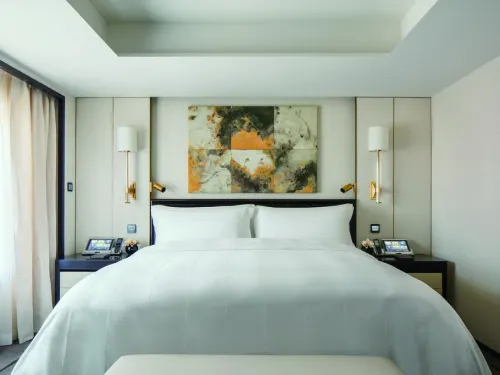
A photo of the interior of Beijing Peninsula hotel

The Peninsula Beijing

5 star

The only all-suite hotel in the capital, The Peninsula Beijing sits a short stroll from Tiananmen Square, the Forbidden City, and the bustling Wangfujing shopping street. After turning its 525 rooms into just 230 suites, even the smallest accommodations at The Peninsula Beijing average over 65 square metres – a contender for the largest rooms in all of China and the largest available for guests in Beijing. The Peninsula accents its modern decor with traditional Chinese elements and unsurpassed service to create an experience at the apex of modern, global luxury.
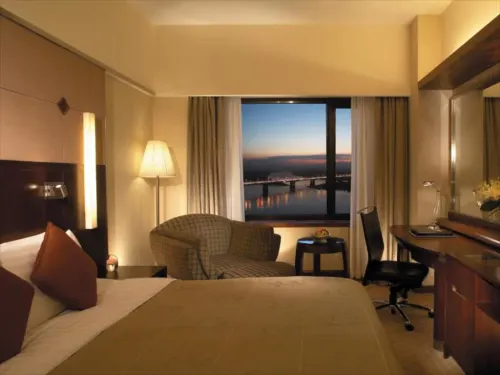
a photo of the interior of Shangri-La Harbin hotel

Shangri-La Hotel, Harbin

5 star

Overlooking the lazy Songhua River, Shangri-La Hotel, Harbin is a cozy retreat for weary travelers in the Ice City. Contemporary and comfortably appointed, the hotel’s 396 guestrooms boast views of both the river and city. After a day filled with exploring, guests can get in a run or a swim, unwind in the steam bath, or indulge in a selection of Asian and Western specialties at one of the signature dining venues.
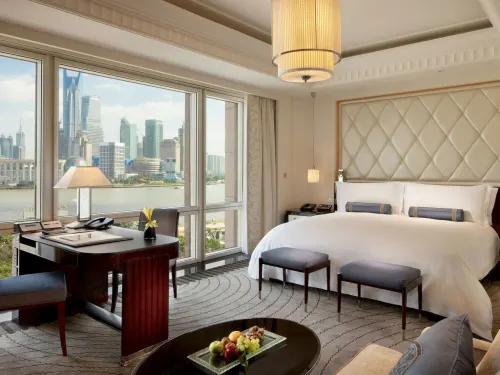
A photo of the interior of Shanghai Peninsula hotel

The Peninsula Shanghai

5 star

Blending Art Deco-inspired interiors with contemporary comforts, The Peninsula Shanghai provides its guests with the most exquisite modern luxury. With the enviable distinction of being the only building to break ground on The Bund in the past 70 years, the hotel effortlessly fuses fascinating history and enthralling modernism together in a way no other hotel can. Bask in a spa treatment at the award-winning spa, relish modern European classics and Cantonese favorites in the Michelin-starred restaurants, and enjoy a collection of cultural programs at the Peninsula Academy.

Details

Recommended seasons

Spring

Summer

Fall

Winter

What’s Included

  • Services of an English-speaking WildChina local guide
  • Accommodation based on double occupancy with breakfasts included
  • All overland transfers with private chauffeur and in-transport refreshments
  • Private chauffeur service to and from airport at start and end of your trip
  • All admission fees and activity expenses, as noted in the itinerary
  • Meals as noted in the itinerary with complimentary drinking water

What’s Excluded

  • International and domestic flights, domestic trains, plus relevant taxes
  • Chinese tourist visa, which is required for most foreign passport holders
  • Travel and medical insurance
  • Meals, apart from those included in the itinerary, and alcohol
  • Expenses of a personal nature
  • Excursions and activities not included in the itinerary
  • Discretionary gratuities for guides and drivers
Next Steps

How do I book this tour?

Please use the inquiry form on the right-hand side of this page or email info@wildchina.com to get started. One of our travel designers will be in touch accordingly to start the process of planning your custom China trip! 

What is the payment schedule?

1. Deposit:

Once you are ready to book, a $500 USD per person planning fee is required to begin reserving your arrangements. This will go towards your total trip costs and will be taken off your final balance amount. 

2. Full payment:

Full trip payment will be requested 60 days prior to departure. If you’re booking within 60 days of your departure, you may be asked to make the full payment straight away.

Payments can be made via credit card, bank transfer, WeChat or Alipay. 

What is your cancellation policy? 

Why WildChina

We’re on the ground with you

Our team of advisors will design every detail of the trip with you through close consultation, then orchestrate your entire journey while on the ground. We’re in the same time zone as you, so we can fulfill requests and handle issues without a hitch. With over 40 staff in Beijing and an expansive network of operational partners across the country, we have the manpower to ensure your journey is safe, reliable and comfortable from beginning to end.

Your trip, your way

Flexibility is our highest-ranking compliment. We pull off journeys for pioneers with a 6-hour layover to Hollywood’s elite, and everywhere in between. Our team regularly pulls off unprecedented logistical feats; nearly any time frame or budget is within our realm. No matter how you wish to experience China, we are here to bring that dream to life.

We embody passion

WildChina guides are carefully handpicked for their knowledge and charisma, then meticulously trained to maintain our exceptional service standards. They are expert storytellers and passionate natives of the regions where they guide, having the perfect combination of local insights and service know-how to bring you seamless once-in-a- lifetime moments all across China.

The little things, the big picture

Supporting inspired local economies allows you to experience the soul of the destination, while also protecting and cultivating China’s artisanal culture. From watching artisans hand make shoes in Yunnan, to picking organic vegetables for dinner on a local farm in Fujian, our tours are designed to showcase and protect China’s heritage, both natural and human.