Food and Drink
 Shopping
 Transportation
 Accommodation
 Useful Tips
 By city
 By Interests
 Pre-departure Guides
 Travel Updates

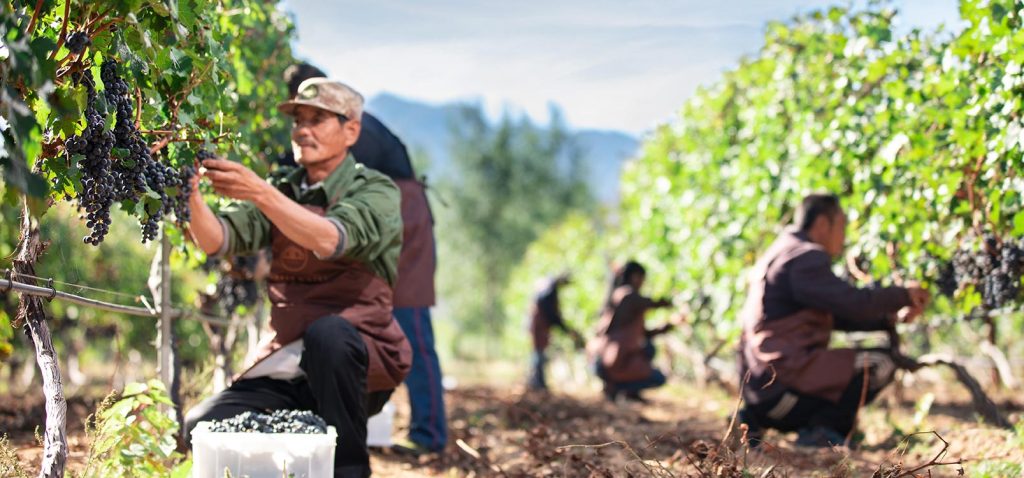
Wine and Chinese food aren’t often mentioned in the same breath. One conjures the image of European vineyards, cellars lined with oak barrels, and menus in French. The other evokes bustling night markets, sizzling woks, and centuries of flavor layered into a single bite. Across China’s wine regions — from the Helan Mountains to the hills of Huailai — winemakers are producing bottles that feel naturally tied to the cuisines of the places they come from.
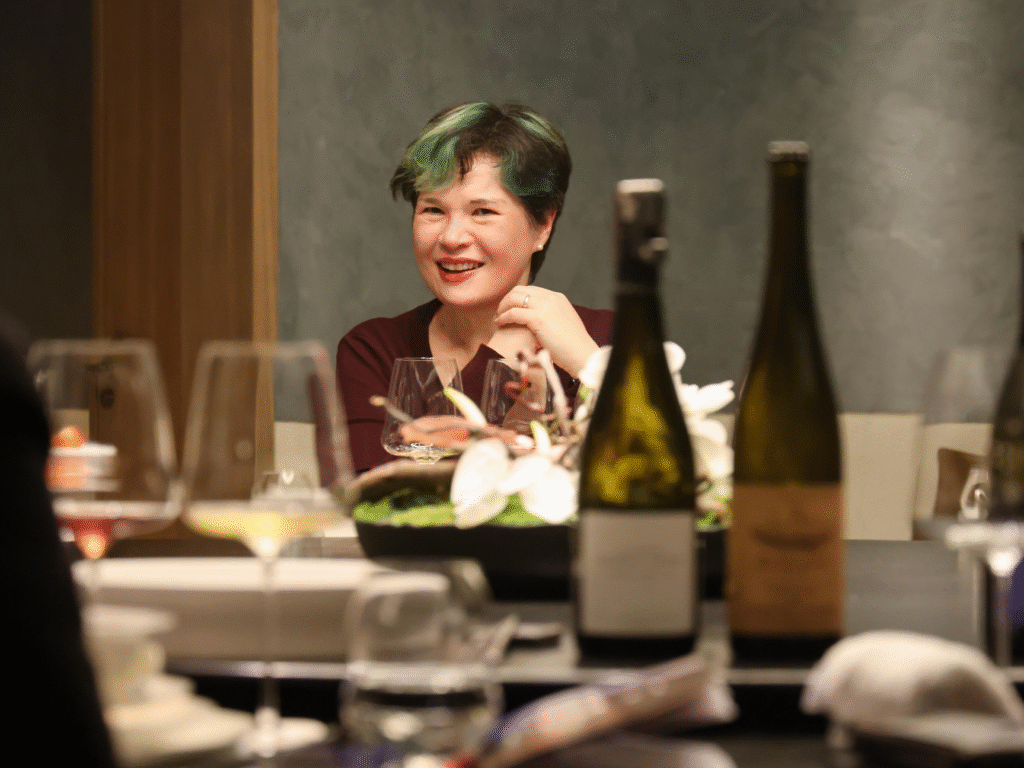
To explore this connection, we asked Master of Wine Fongyee Walker to share pairings that highlight the natural dialogue between Chinese cuisine and Chinese wine. Below are five dishes and the bottles that complement them beautifully.
Peking Duck + Chinese Pinot Noir
Few dishes define a place the way Peking duck defines Beijing. The first crackle of lacquered skin, a curl of steam rising from freshly carved meat, and the soft sweetness of the sauce — it’s a dish built on balance and precision, a harmony of textures refined over centuries.
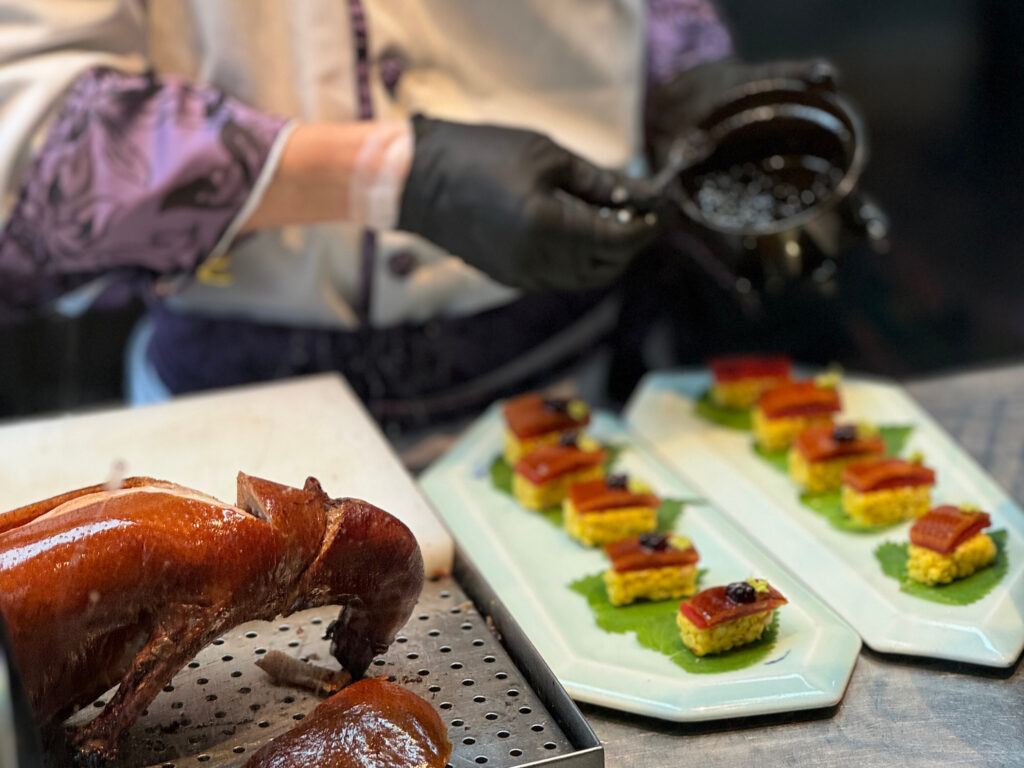
A classic choice that balances the richness of the duck with its acidity and red-fruit notes is Pinot Noir, and China now produces several examples that complement the dish remarkably well. Canaan Winery’s Chapter and Verse Mastery Pinot Noir, grown in the cool valleys of Huailai, has earned praise for its clarity and structure, including a Gold Medal at the Shanghai International Wine Challenge. Silver Heights’ Jia Yuan Pinot Noir, crafted in the high desert of Ningxia, brings bright raspberry and subtle spice, and Xige Estate’s boutique Pinot Noir, produced from some of Ningxia’s oldest Pinot vines, offers lifted aromatics and fresh acidity shaped by long, cool nights at the base of the Helan Mountains.
These wines share the qualities that make Pinot Noir such a natural partner for Peking duck: freshness to cut through the crisp skin, subtle tannins that support rather than overpower, and red-berry softness that complements the sauce’s gentle sweetness.
Shandong Dumplings + Longting Reserve Sea Breeze Chardonnay
Shandong dumplings have long been a symbol of the province’s coastal kitchens. Soft, neatly folded wrappers hold fillings that range from pork and chives to shrimp, cabbage, or one of the region’s most celebrated choices — Spanish mackerel, prized for its gentle sweetness and clean, oceanic flavor. Fresh from the steamer, these dumplings carry a light aroma lifted by ginger, scallion, and the brightness of a splash of vinegar.
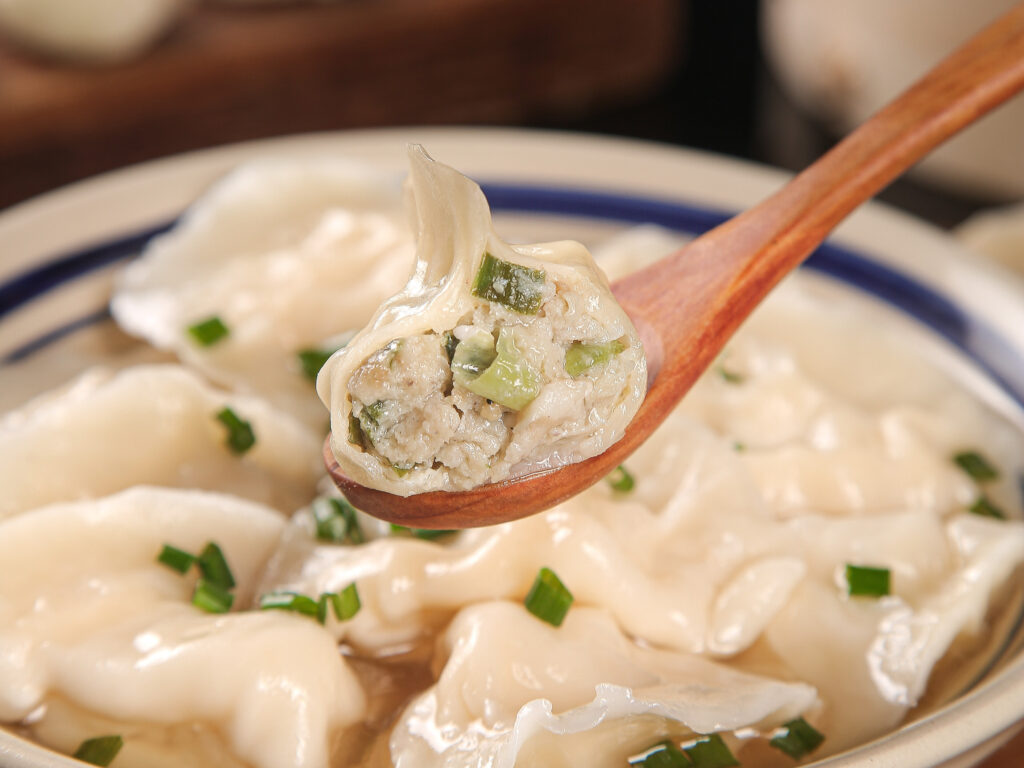
A crisp white Longting Reserve Sea Breeze Chardonnay meets these flavors with ease. Its freshness brings clarity to the delicate fish, while its gentle fruit and subtle floral notes echo the dumplings’ natural sweetness. This wine comes from organically grown vineyards overlooking the sea, and the sea breezes keep its acidity light and bright, so it cuts neatly through the tender, slightly creamy texture of the filling.
Beijing Copper Hotpot + Domaine Franco-Chinois “East Garden” Dry Red
Beijing’s copper hotpot is a winter ritual. The moment the charcoal is lit, the pot begins to hum with warmth, steam curls into the air, and the table fills with paper-thin lamb, fresh vegetables, and dipping sauces that have been part of northern kitchens for generations.
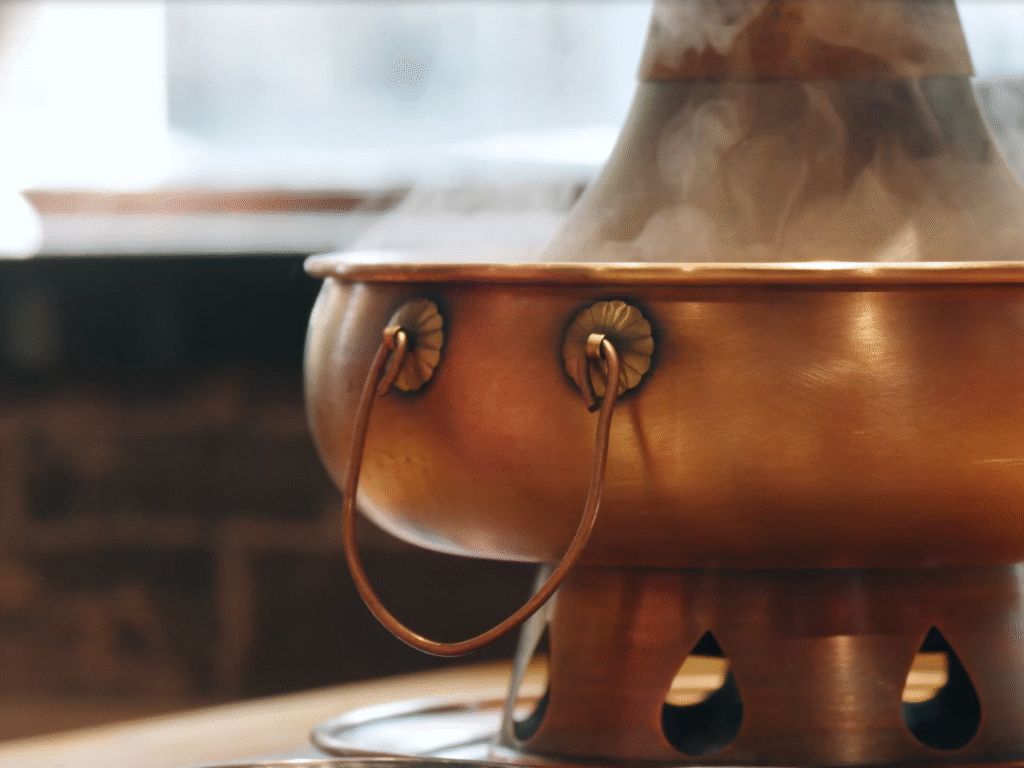
A wine that stands up well to this style of hotpot is Domaine Franco-Chinois “East Garden” Dry Red, crafted in the cool, continental climate of Huailai. The region’s long growing season and mineral-rich soils bring a sense of firmness and freshness to the wine, giving it enough structure to hold its own alongside lamb while remaining bright enough for the lighter elements of the meal. “East Garden” is known for its red fruit, gentle spice, and polished tannins — a profile that complements the broth’s clean savoriness without overpowering it.
Hand-Pulled Lamb + Chateau Mihope Viognier
Hand-pulled lamb is a northern staple known for its straightforward preparation. The meat is simmered until tender, then served in loose, easy-to-separate pieces, often alongside a light broth. Seasoning stays minimal — usually just salt or a dry spice mix — allowing the natural flavor of the lamb to stand on its own.
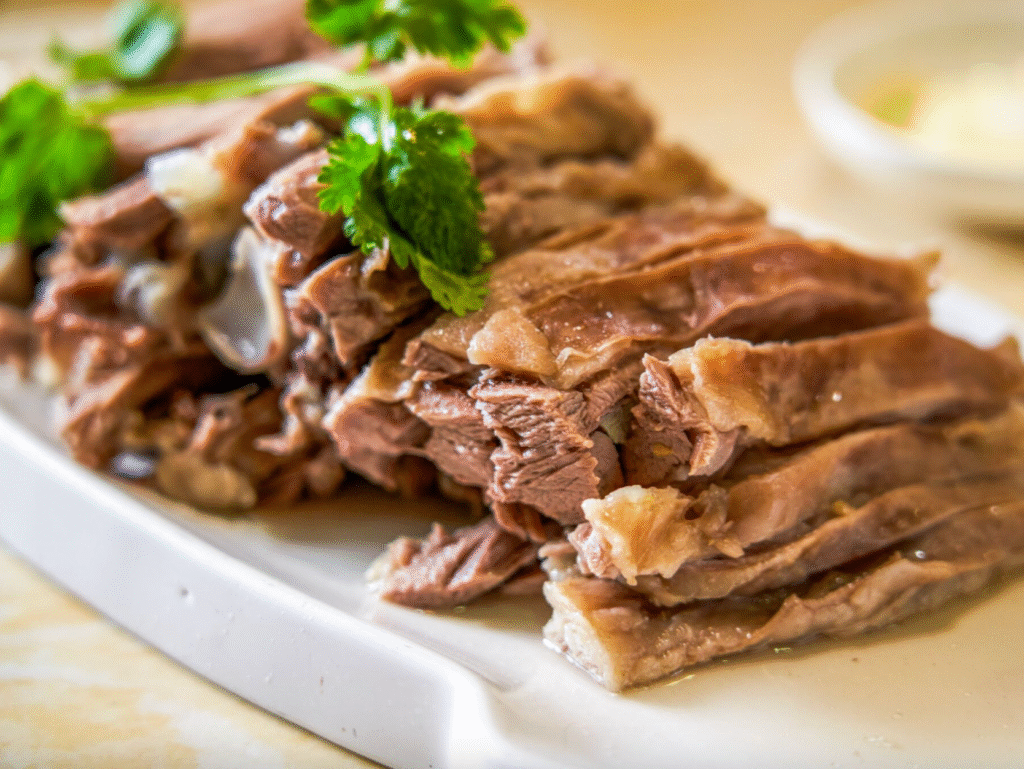
A gently aromatic white like Chateau Mihope Viognier brings out the most delicate parts of this dish. Grown on the eastern slopes of the Helan Mountains, Mihope’s Viognier shows soft stone fruit, floral notes, and a rounded texture that pairs well with the lamb’s tenderness. Its freshness lifts the richness of the meat, while its subtle perfume mirrors the clean, warm flavors that make hand-pulled lamb so comforting. The pairing stays light, balanced, and quietly expressive — a meeting of two traditions that both value simplicity done well.
Whole Roasted lamb + Xige Estate “Jade Dove” Cabernet Sauvignon
Whole roasted lamb is one of northern China’s most festive dishes — a centerpiece that arrives fragrant with smoke, its skin crisped over high heat while the meat beneath stays soft and deeply seasoned. The richness of the lamb, often rubbed with cumin and aromatics, calls for a wine with both structure and warmth, and with the power to balance the strong flavors of smoke, spice, and the famous Tan lamb’s meat.
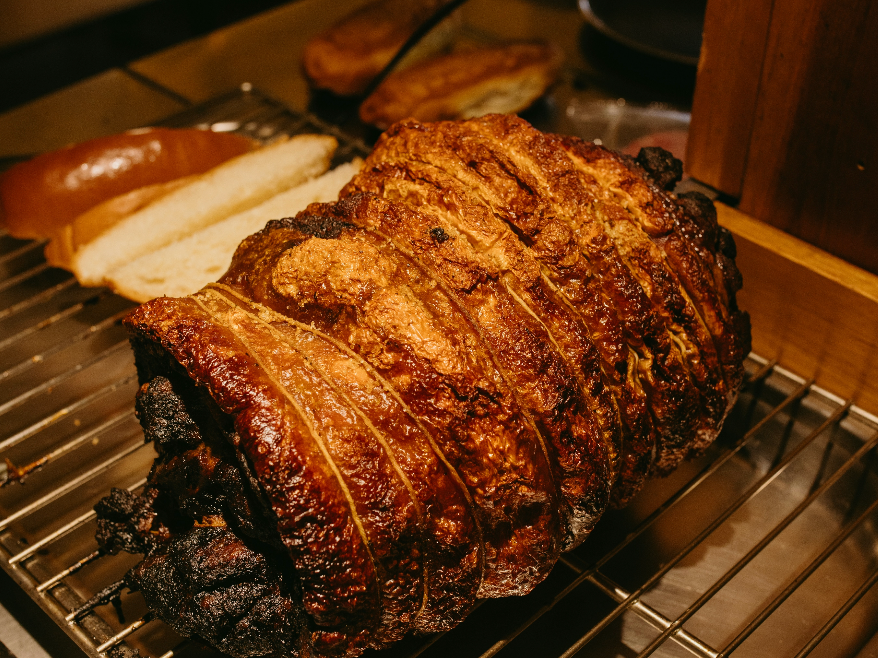
Xige Estate’s “Jade Dove” Cabernet Sauvignon meets the dish with confidence. Grown along the Helan Mountains, where long sunlight hours and cool nights shape the fruit, Jade Dove shows dark berries, firm yet polished tannins, and just enough spice to mirror the lamb’s seasoning. Its depth supports the richness of the meat, while its freshness keeps the pairing lively. This is a wine built for hearty flavors — generous, structured, and expressive of Ningxia’s rising red-wine landscape.
Where flavors meet their match
Pairing Chinese wine with Chinese food isn’t about rules; it’s about noticing the dialogue between flavors that grew up side by side. Across China’s wine regions — from the Helan Mountains to the hills of Huailai — bottles are emerging that feel deeply connected to the cuisine they accompany.
Explore more of our wine experiences or get in touch to begin planning a journey shaped by taste, place, and the stories behind each bottle.
If this dialogue between glass and plate sparks curiosity, the recording of our webinar, Uncork China’s Wine Scene, featuring Master of Wine Fongyee Walker and WildChina Founder Mei Zhang, is available to watch. It offers a deeper look into China’s emerging wine landscape and the stories shaping it.
By Elena Shlykova and Fongyee Walker