Food and Drink
 Shopping
 Transportation
 Accommodation
 Useful Tips
 By Destination
 By Interests
 Pre-departure Guides
 Travel Updates


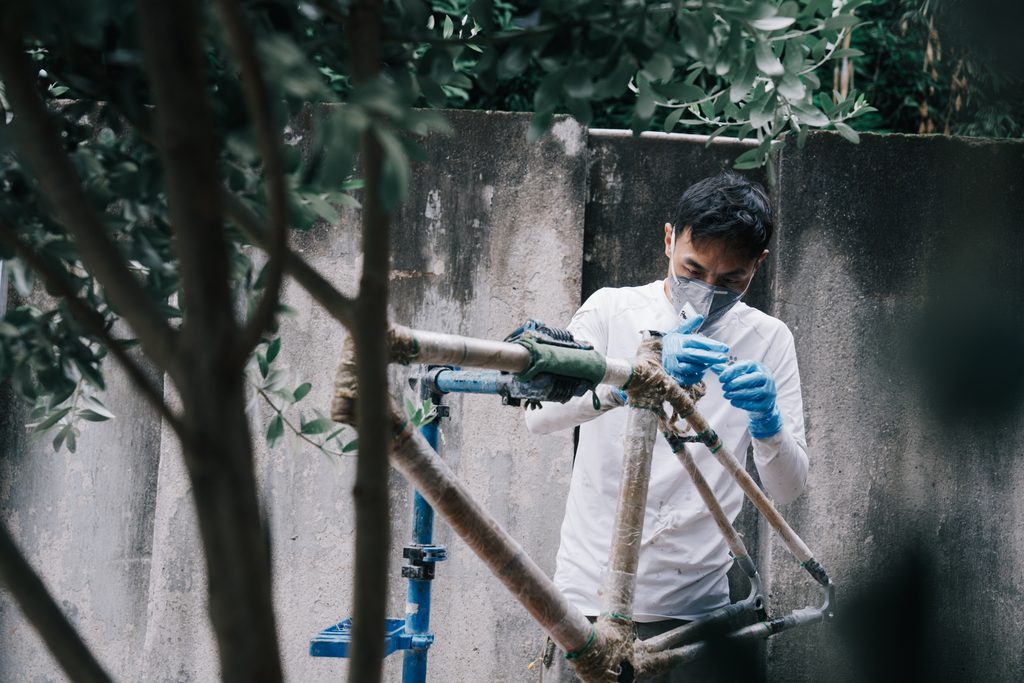
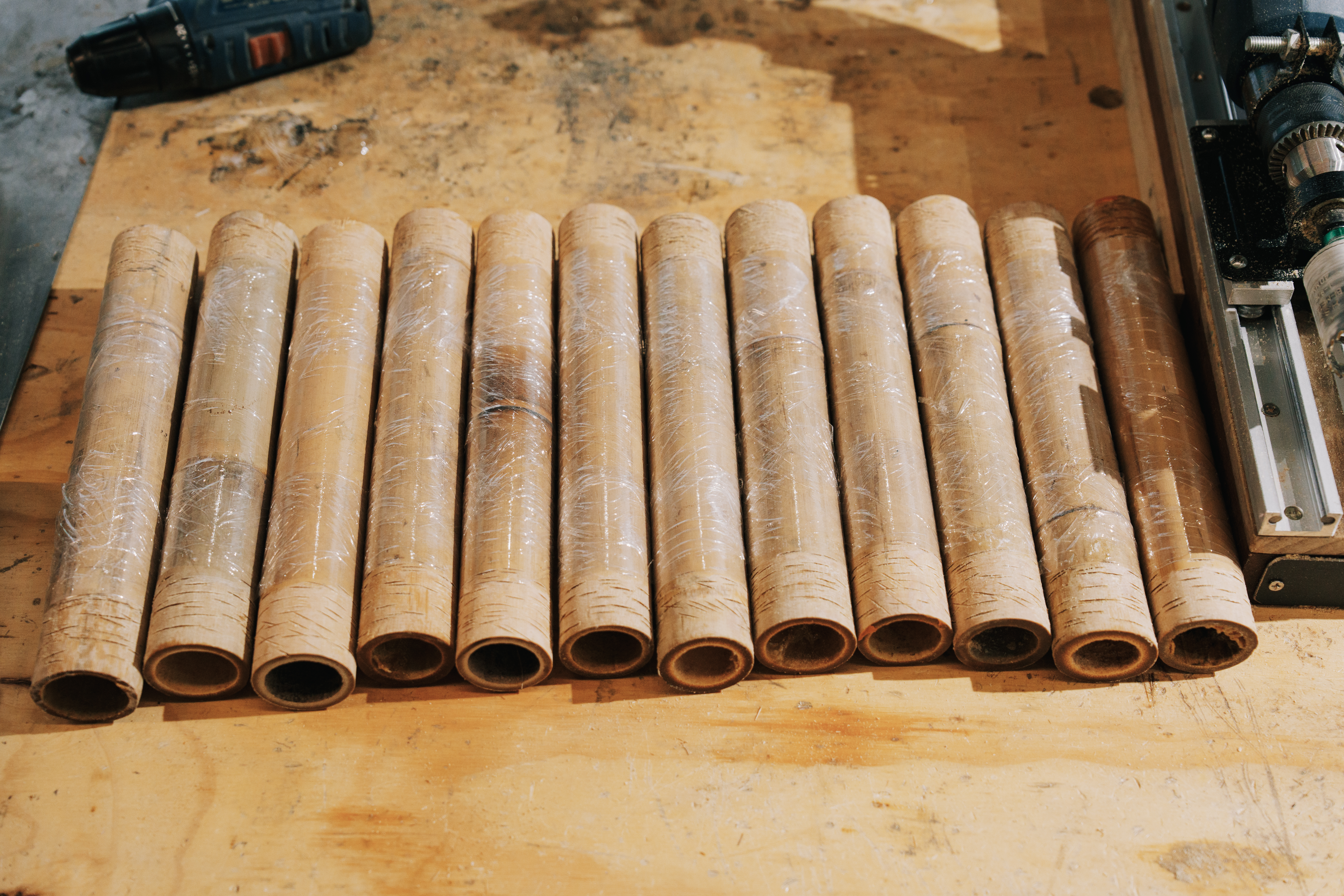
Most bicycle frames are made from aluminum, steel, or carbon fiber. In a Chengdu workshop, designer Abu works instead with bamboo: irregular, tapered, and shaped by the conditions in which it grew. Before he can build a frame, he must study each pole and decide where, if anywhere, it belongs.
A finished frame must meet the same demands as any other. It must carry a rider’s weight, absorb the impact of the road, and remain stable through years of use. Abu and his team have spent 15 years refining their process, learning to work with bamboo’s natural variation while keeping each frame strong and properly aligned.
The first bamboo frame
Abu came to bamboo bicycle building through a lifelong interest in cycling and a career in product design. In 2011, while working as a designer, he and a colleague encountered bamboo as a possible material for bicycle construction and decided to test it for themselves.
The material also connects the work to the region Abu calls home. He is from Sichuan and now lives and works in Chengdu, where bamboo has long been part of the surrounding landscape and used for construction, furniture, and everyday objects.
Bamboo-framed bicycles were exhibited as early as the 1890s, and makers have returned to the material since, though it has never entered the industry’s mainstream. Abu and his colleague were first concerned with a practical question: could they make a bamboo bicycle that worked?
Their first frame took approximately four months to complete. They searched for suitable varieties of bamboo, sourced materials for the joints, and designed specialist components, including the dropouts that hold the wheels and the head tube that connects the frame to the steering assembly.
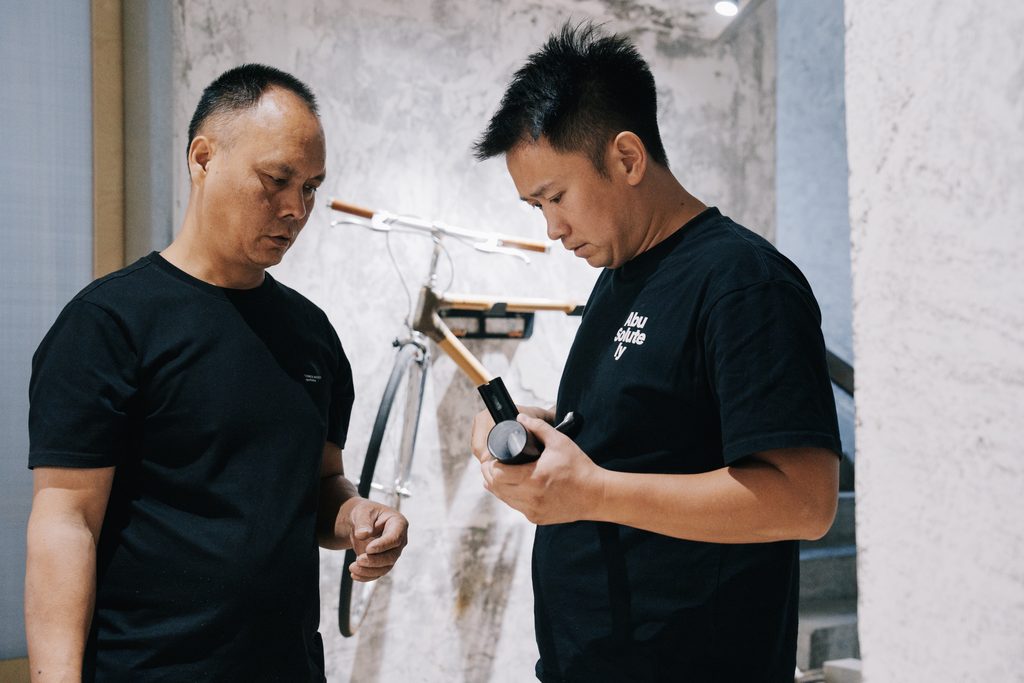
They had to determine which bamboo poles were strong and straight enough, how the tubes should meet, and how to keep the frame’s geometry accurate when no two pieces of bamboo were the same. Once the bicycle was complete, it drew attention wherever they took it.
“When we made the first bicycle, friends and strangers we encountered all thought it was very cool. They would come over to look at it and touch it to check whether it was really made from bamboo.” — Abu
From experiment to road test
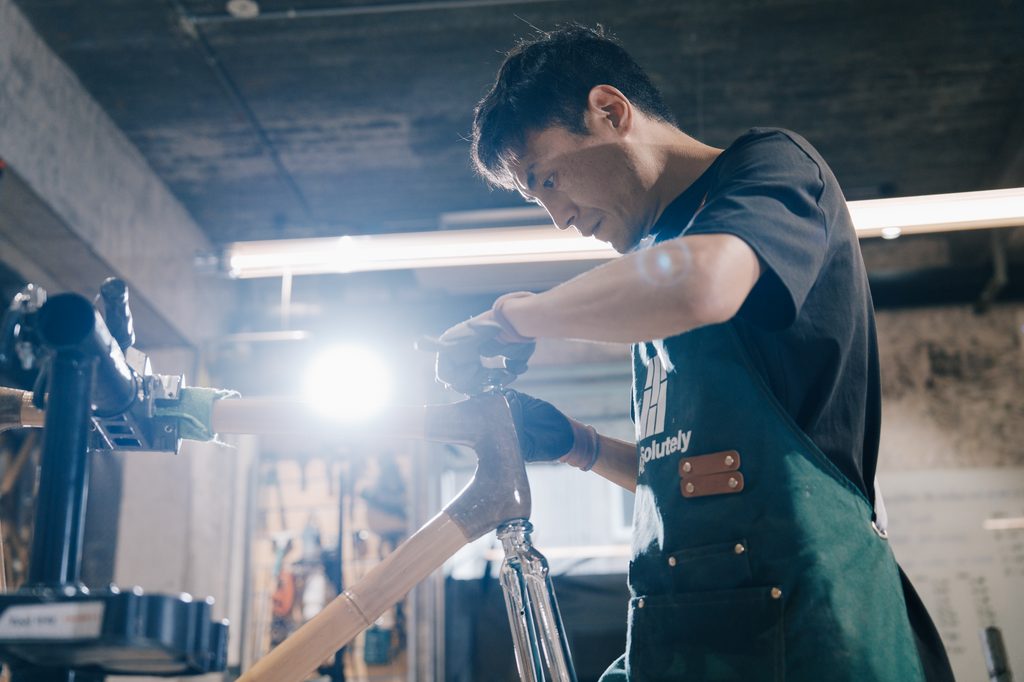
Fifteen years after that first experiment, each frame still begins with the same challenge: no two pieces of bamboo are alike. Abu assesses each pole individually, working with its natural taper while maintaining the precise geometry a bicycle requires.
The joints are a critical part of the process. Abu’s team weaves carbon fiber and flax fiber around the connections to bind the bamboo tubes tightly together. From selecting materials to assembling the finished bicycle, the work involves around 18 to 20 steps and takes approximately 45 to 60 days, including 60 to 80 hours of hands-on work.
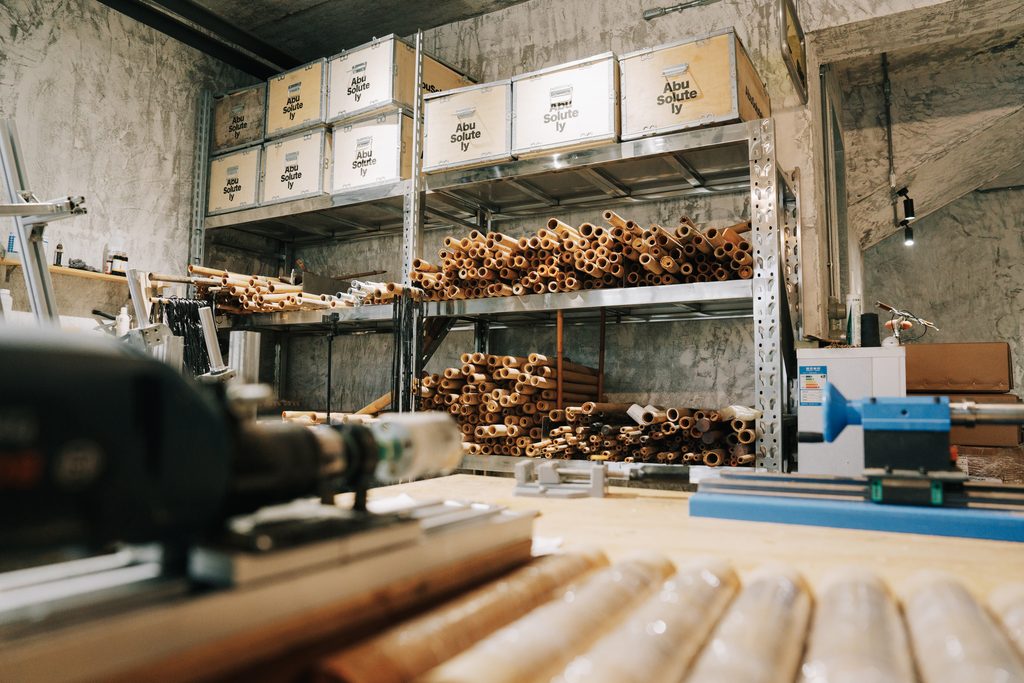
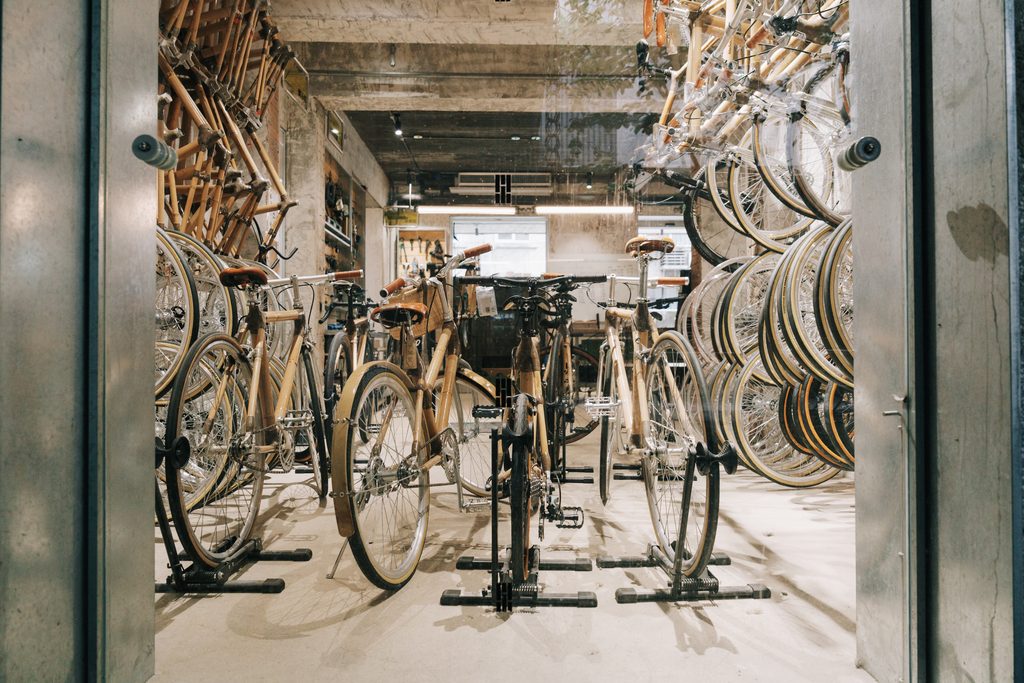
Each finished bicycle brings together a material long associated with Sichuan and the technical demands of modern cycling. Its shape begins with the bamboo itself, then takes form through the team’s careful work.
Part of our Made in China series.
Cinematography & editing: Charles Zhu
Article & subtitles: Gabrielle Keepfer
Special thanks: The AbuSoluteLy team
Music: “Childhood” by Scott Buckley Licensed under CC BY 4.0: https://creativecommons.org/licenses/... https://www.scottbuckley.com.au/