Food and Drink
 Shopping
 Transportation
 Accommodation
 Useful Tips
 By Destination
 By Interests
 Pre-departure Guides
 Travel Updates


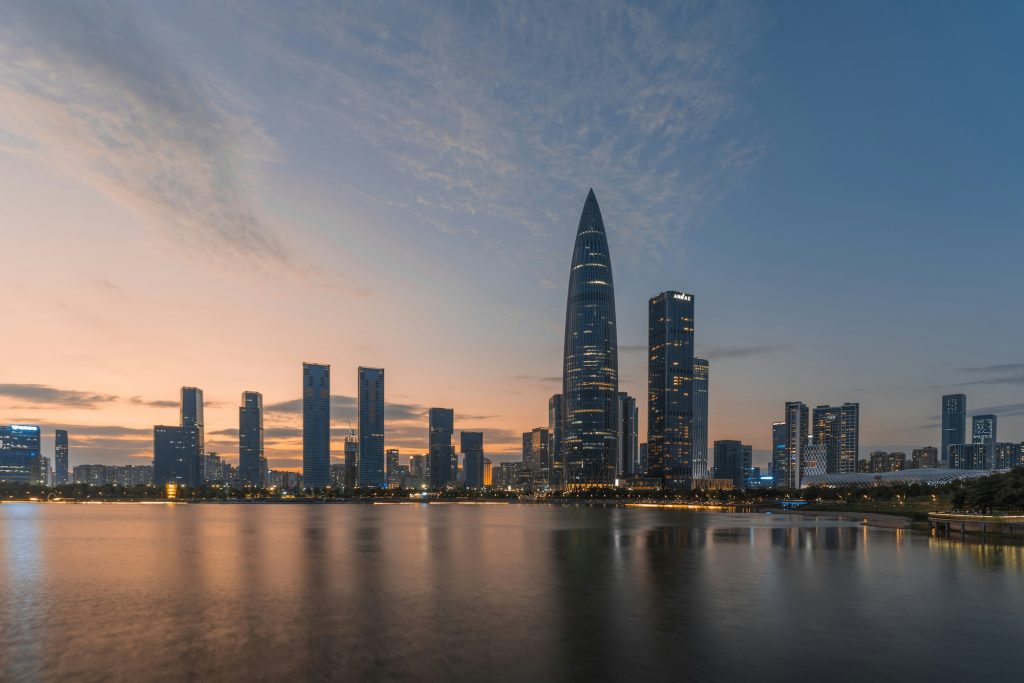
Shanghai’s futuristic skyline and Chongqing’s towering, neon-lit cityscape might be the first images that come to mind when thinking about high-tech China. But beyond these striking skylines, there are opportunities to experience the country’s technological advances firsthand.
From riding in driverless taxis and ordering takeout by drone to watching humanoid robots box, these four cities offer a closer look at innovations already becoming part of everyday life.
1. Shenzhen: a city built around innovation
Just over four decades ago, Shenzhen was a relatively small border city neighboring Hong Kong. Its rapid development into one of China’s leading high-tech hubs has made it home to tech giants including Huawei, Tencent, and BYD. Today, that focus on innovation extends beyond offices and factories into everyday life.
One example is the growing presence of driverless taxis. Operated by companies including Pony.ai and Apollo Go, these vehicles now navigate designated routes through Shenzhen. Passengers can watch the steering wheel turn and the car respond to traffic, all without anyone in the driver’s seat.
Robotics is an area where visitors can get hands-on. At INNO100, a high-tech experience center near Shenzhen Bay, visitors can try on a robotic exoskeleton, watch a robot scoop ice cream, and interact with companion robots. Nearby stores showcase 3D printing and the latest consumer gadgets.
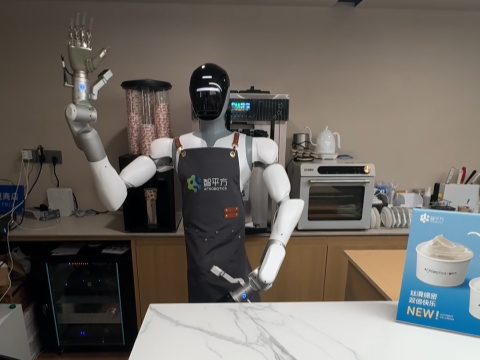

Even something as ordinary as ordering lunch offers a glimpse of how technology is being used across the city. At Shenzhen Bay Talent Park, food and drinks can be delivered by drone to designated collection points, where visitors can watch their orders arrive from above.
2. Guangzhou: inside China’s electric vehicle industry
A short high-speed train journey from Shenzhen brings travelers to Guangzhou, where centuries of trading and manufacturing history meet a growing high-tech automotive industry.
Among the companies leading this development is XPENG, a Guangzhou-based manufacturer working on electric vehicles, AI-assisted driving, robotics, and even flying cars. Its headquarters in Tianhe offers visitors a closer look at these technologies, while a separate visit to its production base reveals how electric vehicles are assembled.
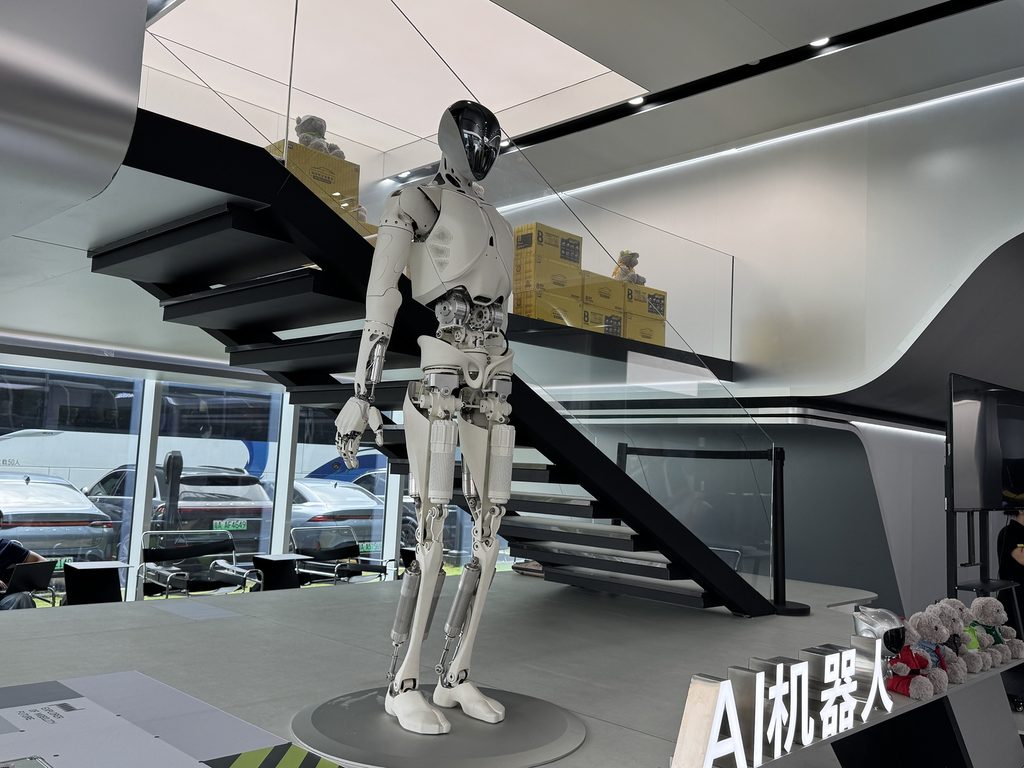
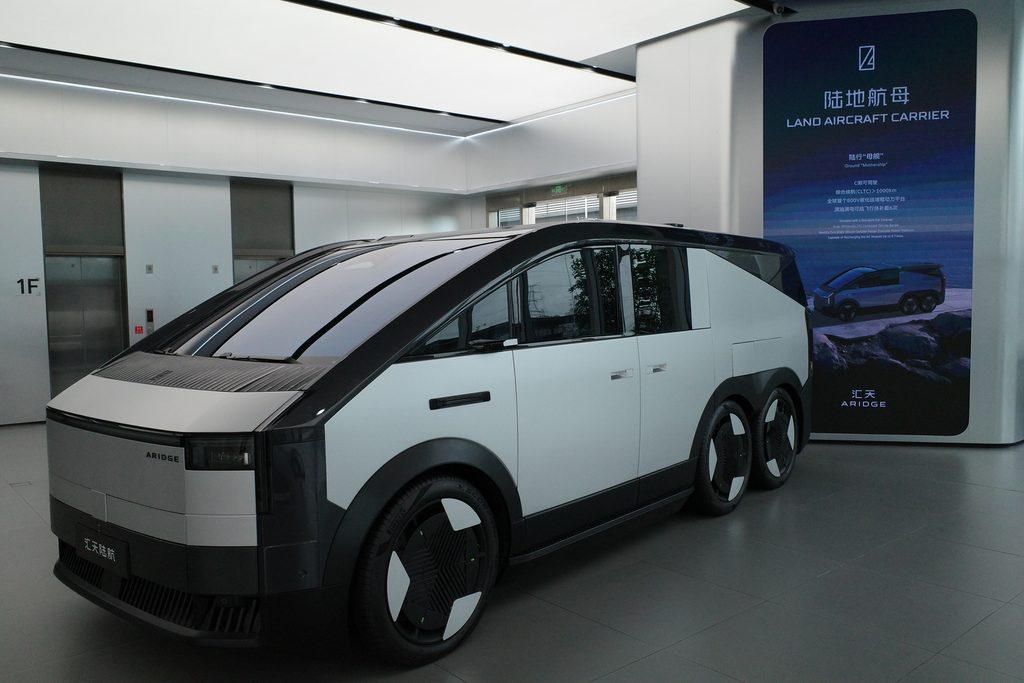
WildChina’s Guangzhou: A Story of Trade, Tradition and Flavor offers the opportunity to visit XPENG’s production base, subject to availability. The three-day private journey also explores the city’s Cantonese heritage, bringing together its centuries-old traditions and modern industries.
3. Hangzhou: where robots take center stage
Hangzhou might be one of the more unexpected cities on this list. Better known for West Lake and its surrounding tea fields, the city has also emerged as a center for robotics and artificial intelligence, with opportunities to see these technologies in action.
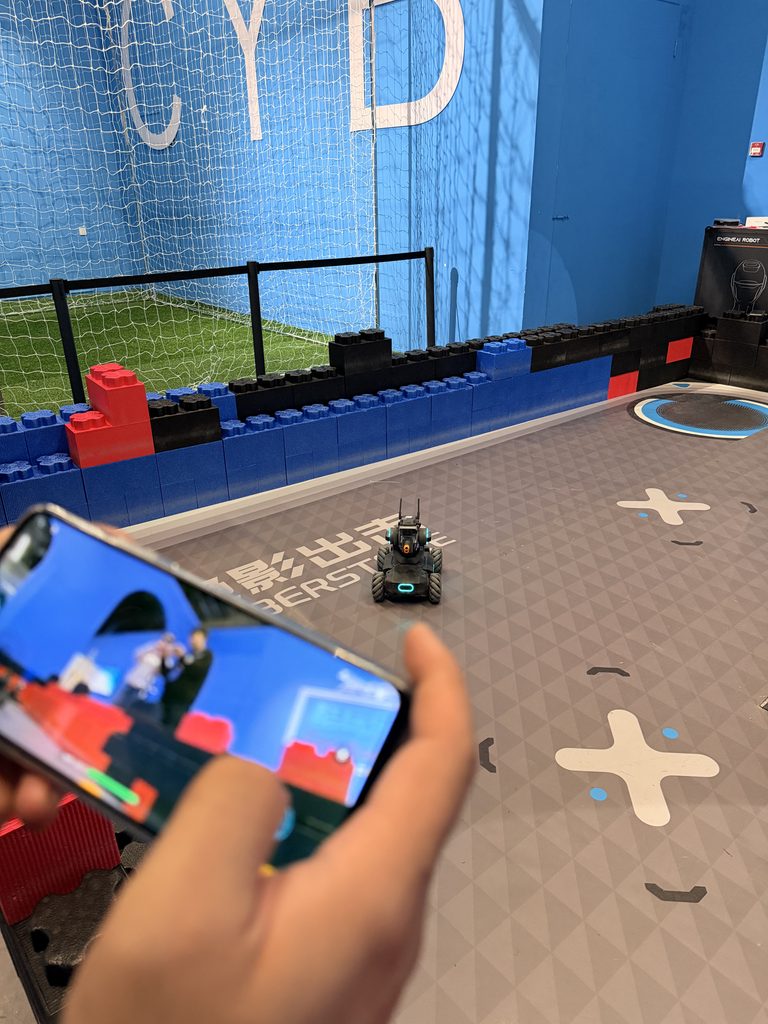
One such place is the 2033 Cyber Embodied Intelligence Showcase & Promotion Center, where humanoid robots demonstrate their abilities in settings modeled on homes and industrial workplaces. Among the highlights is a robot boxing match, with two humanoid machines throwing punches and responding to each other’s movements. Elsewhere, visitors can watch robots carry out everyday tasks and explore an automated shopping experience, offering a glimpse of how these technologies could be used beyond the exhibition floor.

4. Beijing: getting hands-on with humanoid robots
In Beijing, visitors can go a step further than watching robots perform, with opportunities to try controlling them. The city’s Yizhuang district, also known as E-Town, is home to the Beijing Humanoid Robot Innovation Center, where visitors can explore the capabilities of humanoid machines. Robotic hands mirror human movements or challenge visitors to rock-paper-scissors, while humanoid robots demonstrate their coordination through dancing and crawling.
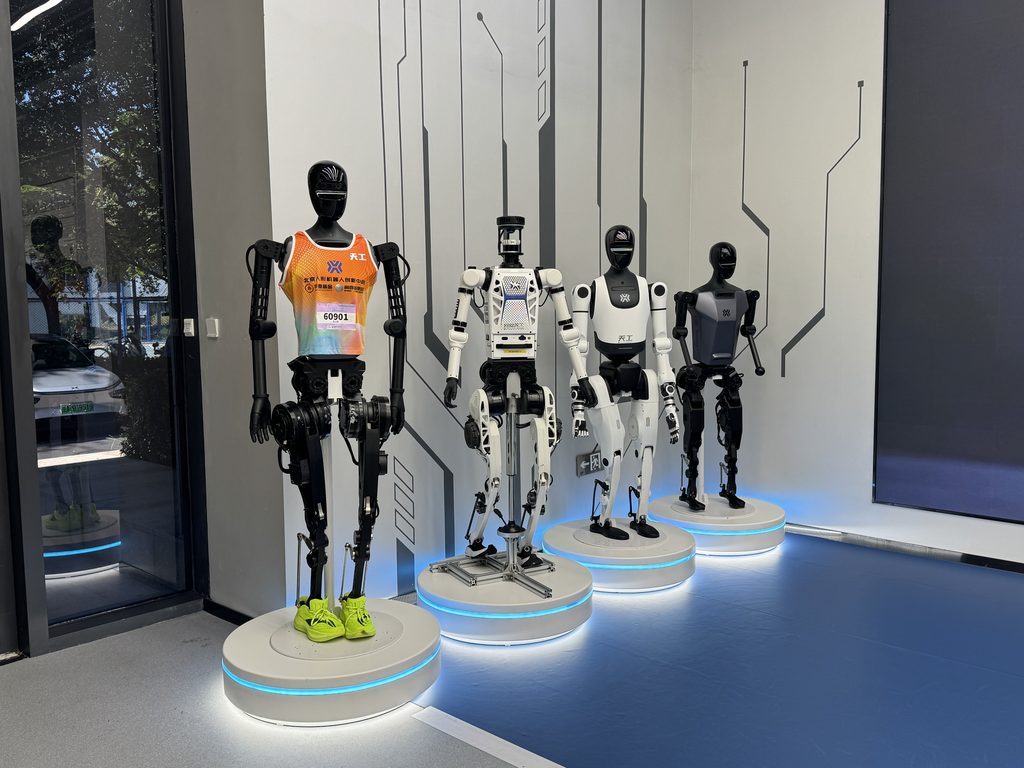
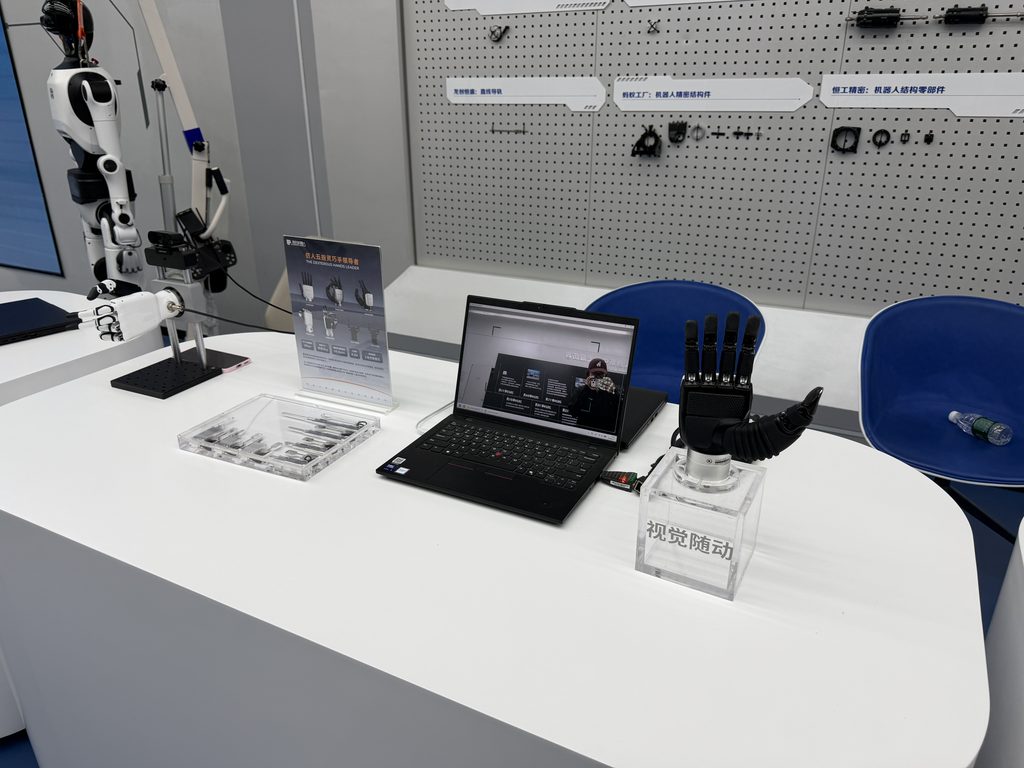
At the nearby Data Collection Center, the challenge becomes more hands-on. Wearing a VR headset, visitors attempt to operate a robot remotely, tackling seemingly simple tasks such as folding clothes or picking flowers. These exercises reveal just how difficult it can be to replicate human movements, and how demonstrations like these help train robots.
For a more personalized encounter, WildChina can arrange for travelers to have a Lingxi X2 humanoid robot accompany them on a private experience. The same model appeared alongside Chinese comedian Cai Ming during the Spring Festival Gala, China’s widely watched Lunar New Year television celebration. Able to perform tai chi, dance, and welcome guests in more than 40 languages, the robot can even join travelers on a visit to the Great Wall, bringing modern technology to one of China’s most historic landmarks.
Drawing on firsthand site visits and local partnerships, WildChina gives travelers opportunities to interact with the technologies being developed and used across China.
Our eight-day Innovation in China: A High-Tech Tour brings together experiences such as riding in driverless taxis, ordering food by drone, and interacting with humanoid robots. Individual experiences can also be incorporated into privately guided journeys, tailored to travelers’ interests. Get in touch with our travel designers to start planning a trip that brings these innovations to life.