Food and Drink
 Shopping
 Transportation
 Accommodation
 Useful Tips
 By Destination
 By Interests
 Pre-departure Guides
 Travel Updates


We travel to vineyards to understand what goes into a bottle of wine. We walk through tea fields, visit artists’ studios and enter family workshops to watch traditional crafts take shape. Yet few of us ask the same questions about the furniture with which we live every day.
Who constructed the frame beneath a sofa’s upholstery? Where was the marble for a dining table cut and finished? In Foshan, one of China’s leading furniture-producing cities, these questions can be followed to their source. A finished room can be traced backwards, from showroom to factory and from polished surfaces to the materials, decisions and specialist skills behind them. Beyond the furniture itself, another story emerges: that of a southern Chinese city shaped by centuries of making.
A city built by its workshops
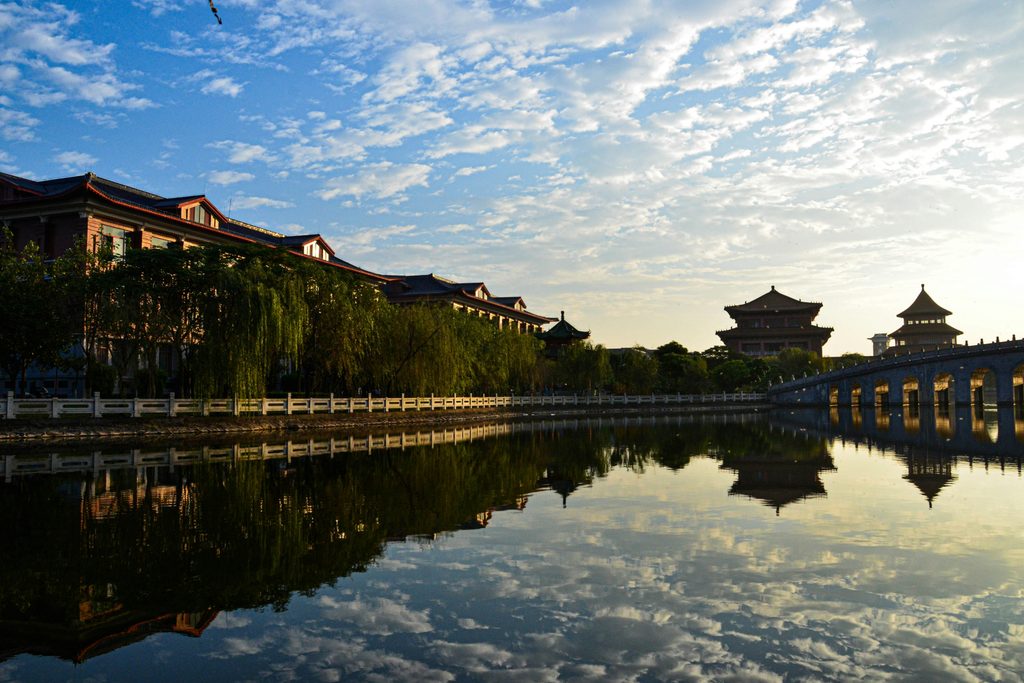
Long before Foshan became associated with furniture, it was known for ceramics and metalwork. By the Ming and Qing dynasties, the city had developed into one of southern China’s most important centres of production and trade. Its workshops drew on the surrounding waterways and the commercial networks of nearby Guangzhou, connecting local craftspeople with markets across China and overseas.
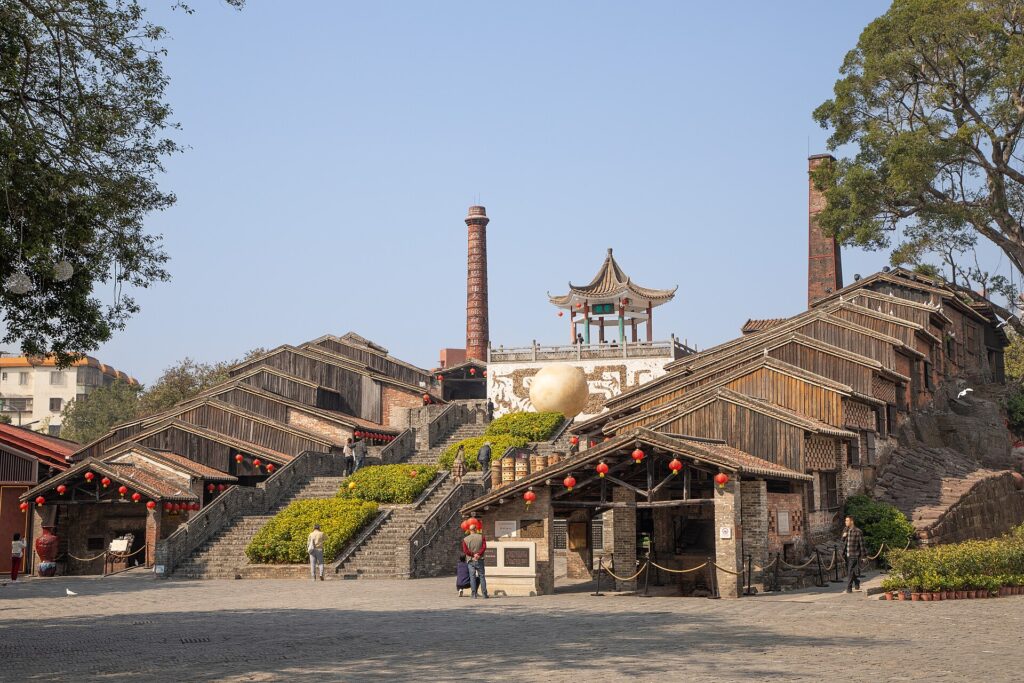
Traces of this history remain visible throughout the city. At Nanfeng Ancient Kiln in Shiwan, ceramics have been fired for more than 500 years. The complex preserves the long, sloping form of a traditional dragon kiln, built to carry heat upwards through a series of firing chambers. Around it, studios and workshops continue to work with the material that first established Shiwan’s reputation.
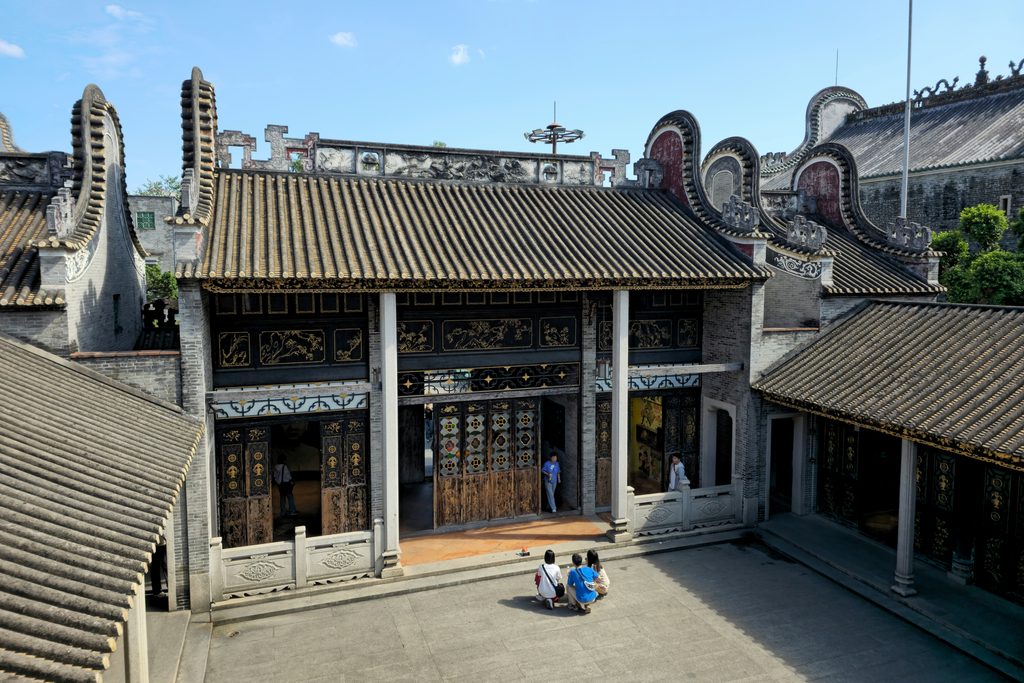
Across the city at Zumiao Temple, craftsmanship is built into the architecture. Ceramic figures crowd its roof ridges, while carved wood, brickwork and metalwork cover the halls and gateways. Each element draws on a different local craft tradition, showing how deeply specialised production was embedded in the city. Zumiao also carries another side of Foshan’s cultural identity. The temple complex commemorates martial artists Wong Fei-hung and Ip Man, whose lives helped connect the city’s southern kung fu traditions with audiences around the world.
Foshan’s craft and martial traditions were sustained by specialist knowledge, close-knit communities and skills passed from one generation to another.
The Pearl River Delta’s culture of specialisation
Foshan’s development also belongs to the wider history of the Pearl River Delta. For centuries, rivers connected the region’s towns with Guangzhou and the South China Sea. Goods, materials, people and ideas moved through one of China’s most commercially active areas. Later, Hong Kong supplied further international connections, investment and export experience as manufacturing expanded across Guangdong.
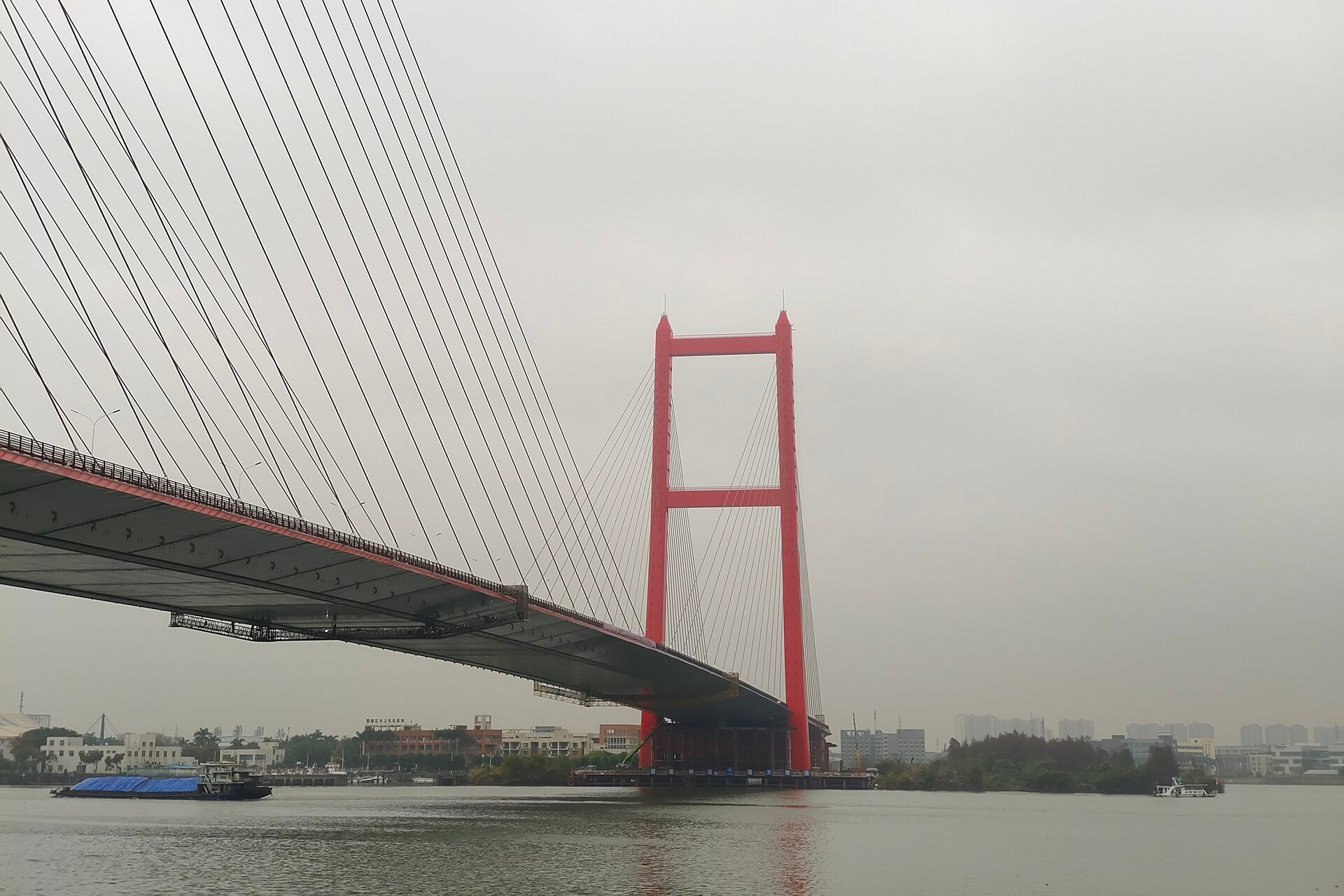
Rather than every town producing everything, different places developed expertise in particular materials and products. One became known for lighting, another for textiles, appliances or ceramics. Suppliers gathered close to manufacturers, and supporting businesses emerged around them.
Foshan developed important industries in machinery, household appliances, building materials and furniture. Its strength came not from one enormous factory, but from a dense network of businesses that could work together. The production of a single object might involve several companies located within a relatively small area: one constructing the frame, another supplying upholstery, and others producing foam, stone, timber veneer, metal fittings or packaging. The finished piece is the product of an ecosystem.
Inside Foshan’s furniture world
Much of Foshan’s furniture industry is concentrated in Shunde, one of the city’s five districts. Within Shunde, the neighbouring towns of Lecong and Longjiang play different roles in the industry: Lecong is a major centre for furniture showrooms and sales, while Longjiang is more closely associated with manufacturing and materials.
In Lecong, the Louvre International Furniture Exhibition Center demonstrates the scale of the retail market. Across multiple floors, showrooms present complete living rooms, bedrooms and dining spaces. Marble tables sit beneath sculptural lighting, sofas are displayed in dozens of fabrics and configurations, and cabinets come in a broad range of finishes.
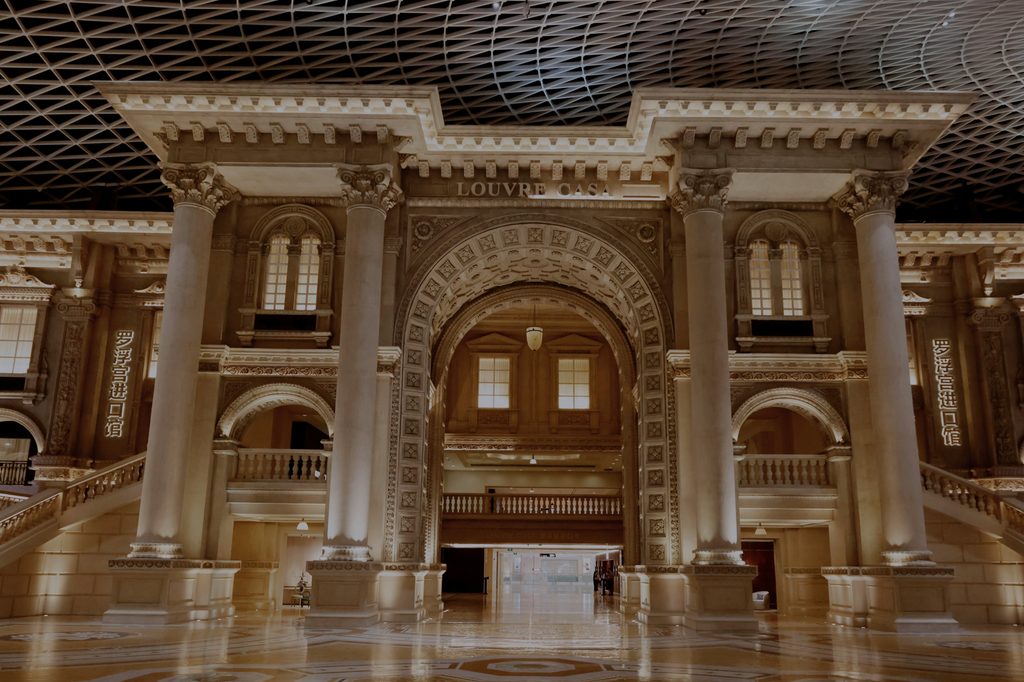
Nearby, in Longjiang, furniture manufacturers operate close to suppliers of upholstery, foam, timber, stone, metal fittings and finishes. This concentration allows manufacturers to source components locally, develop samples quickly and adapt designs to a buyer’s specifications.
Following furniture to its source
The close relationship between Foshan’s showrooms, manufacturers and suppliers allows buyers to become involved before a piece is finished. They can compare construction methods and materials, discuss dimensions and finishes with factory teams, and return to shortlisted producers as their requirements become clearer.
WildChina’s four-day private journey, developed in partnership with Beyond Showrooms, begins with a sourcing brief based on each guest’s floor plans, measurements and project requirements. In Foshan, guests visit selected factory showrooms and meet the teams responsible for the furniture, with time set aside for follow-up discussions and specification changes. The journey also includes Zumiao Temple, a private lion dance and Cantonese dining, placing Foshan’s contemporary furniture industry within the city’s longer history of craft and manufacturing.
In Foshan, a finished room becomes a way into the wider story of the city that made it.