Food and Drink
 Shopping
 Transportation
 Accommodation
 Useful Tips
 By Destination
 By Interests
 Pre-departure Guides
 Travel Updates


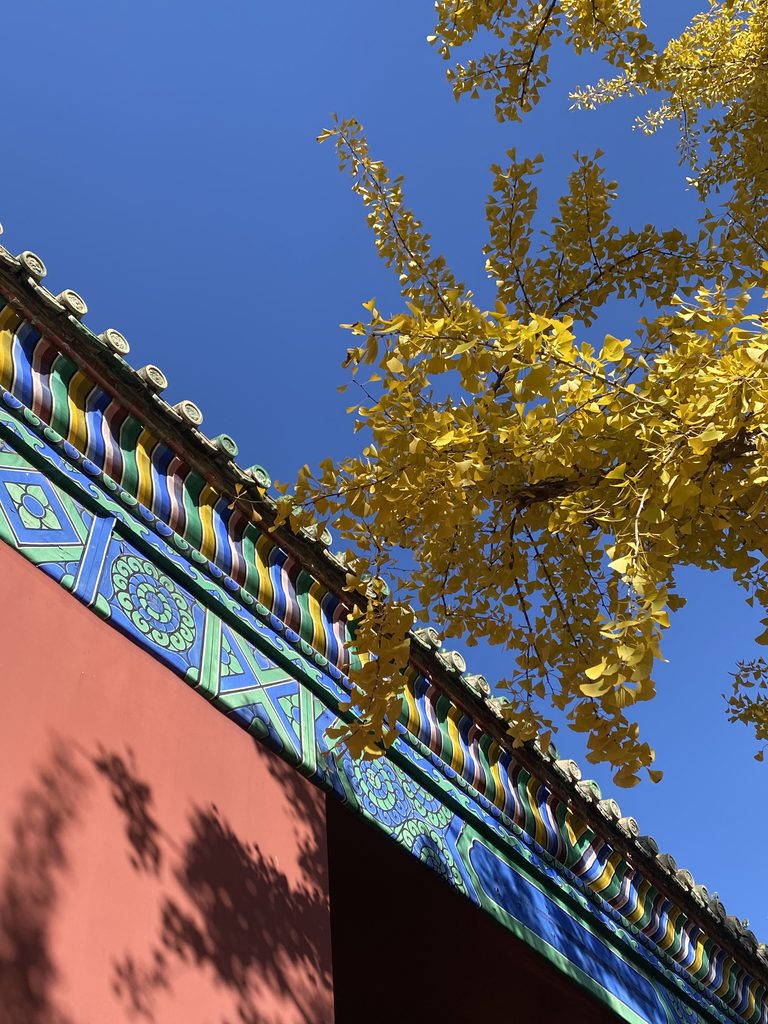
In Beijing’s hutongs during fall, yellow ginkgo leaves stand out against gray brick walls, and neighbors linger in the afternoon sunshine. As the weather turns colder, steam rises from food stalls and people warm up over jasmine tea in courtyard teahouses.
Hutongs, the narrow lanes that connect Beijing’s traditional courtyard homes, offer a closer look at daily life in the old city. Our travel designers recommend these five outings for exploring the hutongs and their surrounding neighborhoods, with time to stop for coffee, explore a side street, and hear the stories of people who have called them home.
1. Walk beneath golden ginkgo trees and sip coffee above the hutongs
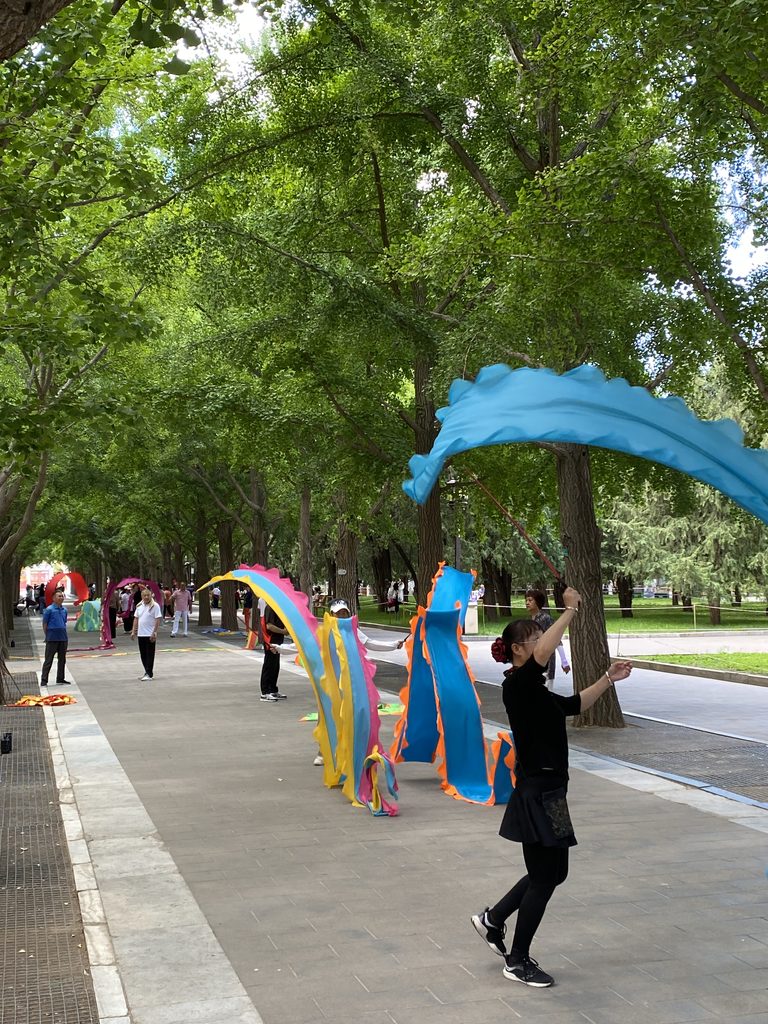
We suggest beginning at Ditan Park, where ginkgo trees frame the paths and neighbors gather to dance, exercise, or watch a game of Chinese chess. Some mornings, ribbon dancers send long strips of fabric looping through the air. Known as the Temple of Earth, Ditan was where Ming and Qing emperors performed ceremonies to honor the earth. Today, the park is part of the surrounding neighborhood’s daily life. The ginkgo avenue is the main draw in fall, but the quieter paths beyond it deserve some time, too.
From the south gate, the walk continues to Wudaoying Hutong, a lane whose name traces back to a Ming-dynasty garrison. Design stores, vintage shops, and cafés now line the street, with cyclists passing between shoppers. We like Fuding Coffee for its rooftop terrace, where the Lama Temple’s golden tiles catch the light above rows of clay-tiled hutong roofs.
In winter, coffee indoors makes a pleasant finish to the hutong walk. For lunch, King’s Joy serves vegetarian tasting menus in a courtyard house beside the temple. Saffron is another of our suggestions, with Spanish and Mediterranean dishes, including paella, served in a courtyard setting.
The afternoon can continue across the street at the Yonghegong Lama Temple, then along to the Confucius Temple and Imperial College. Each offers a different perspective on the beliefs and institutions that shaped imperial Beijing.
Planning the visit: Allow about two hours for Ditan and Wudaoying, plus lunch. Temple visits can add several hours. Ginkgo color usually peaks from late October through the first half of November, depending on the weather. Around 9 or 10 a.m. is a good time to see the park’s morning activity. Ditan charges a small admission fee. Our team can help arrange lunch reservations and plan the afternoon’s temple visits.
2. Follow a true-crime trail through old Peking with Paul French
For a winter evening exploring Beijing’s history, join author and WildChina expert Paul French on December 5, 2026, for a walk through the locations featured in his bestselling true-crime book, Midnight in Peking.
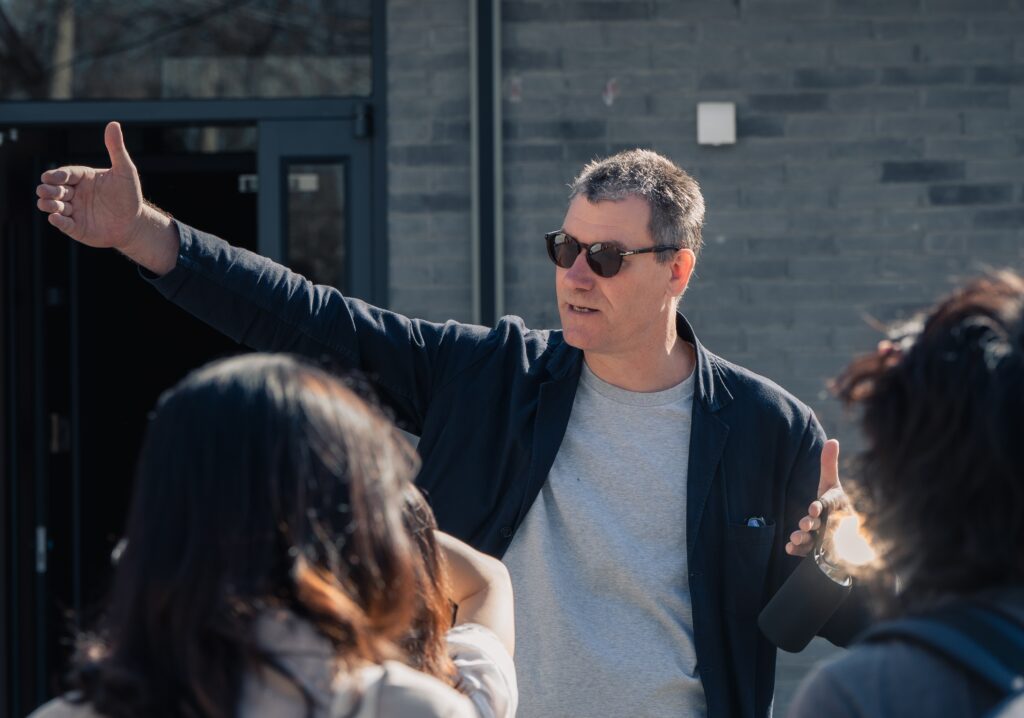
The book follows the murder of Pamela Werner in 1937, revealing the lives and tensions of a city on the eve of war. Beginning at Beijing Railway Station, French leads the walk through Kuijiachang Hutong, formerly Armour Factory Alley, where Pamela lived, and on to the Fox Tower, near where her body was found.
The route also explores the former Badlands around Chuanban and Hougou hutongs before reaching the Legation Quarter. With French explaining his research along the way, familiar streets become connected to the people and events behind the book.
The evening ends at the Writers Bar at Beijing Hotel NUO, with drinks, light bites, and time to talk with French.
Planning the visit: December 5, 2026, at 6 p.m.; allow approximately four hours. The experience is for guests ages 12 and up. Explore Midnight in Peking: An Evening with Paul French and reserve a place.
3. Climb the Drum Tower and glide across Shichahai’s winter ice
We recommend beginning with a climb up the Drum Tower, where drums once sounded to mark the city’s hours. From here, the view follows Beijing’s Central Axis south toward Wanchun Pavilion atop Jingshan Hill. Back in the square between the Bell and Drum Towers, residents may be playing jianzi, keeping a feathered shuttlecock airborne with their feet.
The walk leads south along Di’anmen Outer Street, then turns toward Yandai Xiejie and continues to the Silver Ingot Bridge. Here, the lanes open onto Shichahai’s lakes, where willows line the shore and side streets lead back into the neighborhood.
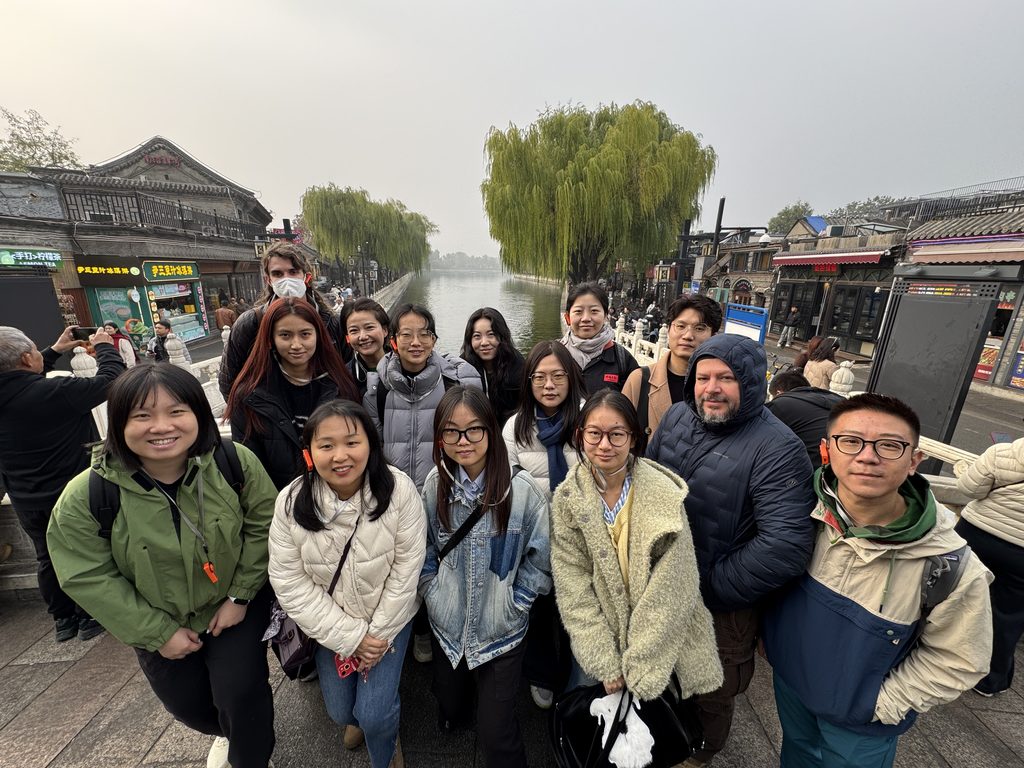
In fall, we like to leave time for a lakeside walk before exploring those smaller lanes. A guided rickshaw ride is another option, passing courtyard houses and former residences of princes and other prominent Beijingers, with stories about the people who lived behind their gates.
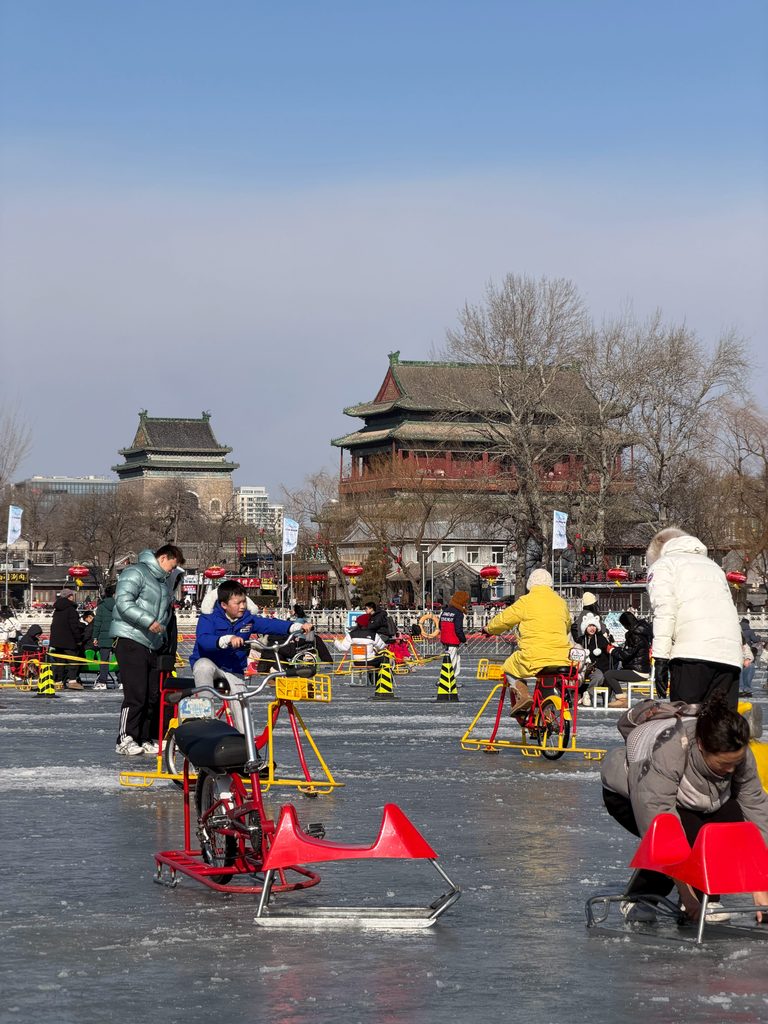
When the winter rink opens, families take to the frozen lake on skates, ice chairs, and ice bicycles. The traditional ice chair, or bingche, is propelled with short poles, offering a different way to join the activity on the lake. Afterward, tea or a hot meal nearby rounds off the outing. For a snack along the way, look for tanghulu—hawthorn on a stick coated in a crisp sugar shell.
Planning the visit: Allow about two hours for the walk, plus time for tower visits or skating. Both towers have steep stairs. The winter rink opens only when ice conditions allow, so dates vary each year. Our team can arrange a guided rickshaw ride and check rink opening information when planning the day.
4. Ride through Beijing by Dang Dang and make a traditional kite
For a day with less walking, we suggest combining a Dang Dang sightseeing tour with a traditional kite-making workshop. The retro vehicle recalls Beijing’s old trams but runs on the road, linking the capital’s grand avenues with its hutong neighborhoods.
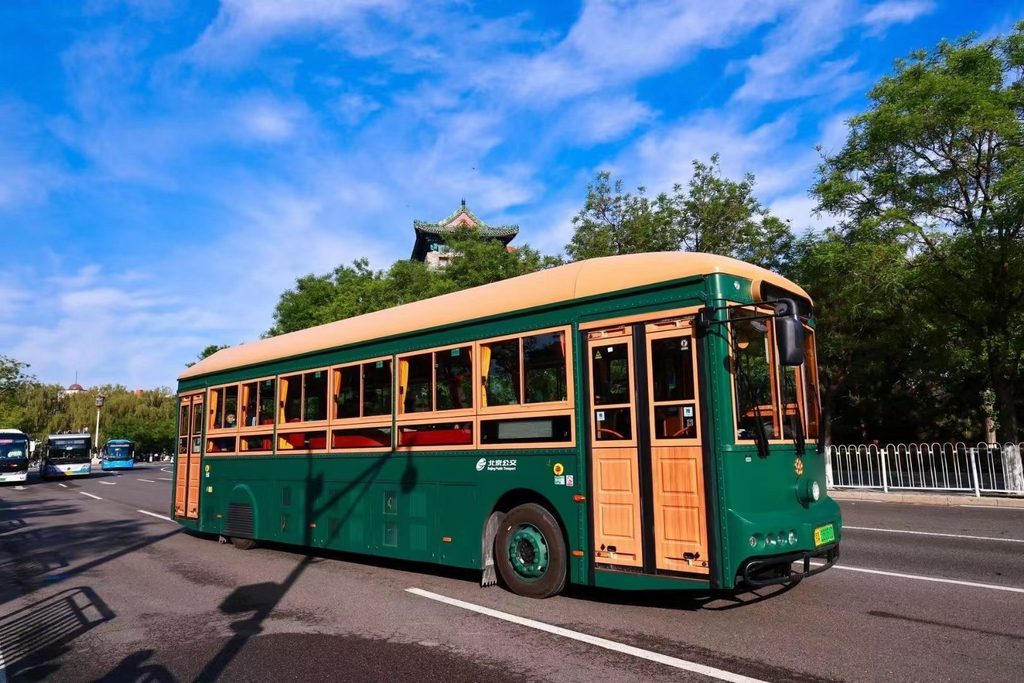
The Dang Dang departs from beside The Peninsula Beijing and passes landmarks around Chang’an Avenue and Tiananmen Square before continuing toward Jingshan, the Bell and Drum Towers, and Shichahai. Along the way, the journey connects the smaller neighborhoods with Beijing’s ceremonial center.
At Shichahai, our team can arrange a kite-making workshop to follow the sightseeing tour. Making or decorating a kite introduces a craft with a long history in Beijing, with something to bring home afterward. It is a combination we particularly recommend for families.
Planning the visit: Our team can bring together the Dang Dang sightseeing tour and kite-making workshop, including departure and return arrangements. Allow about four hours for the combined outing.
5. Explore Qianmen’s historic shops and Beijing’s Underground City
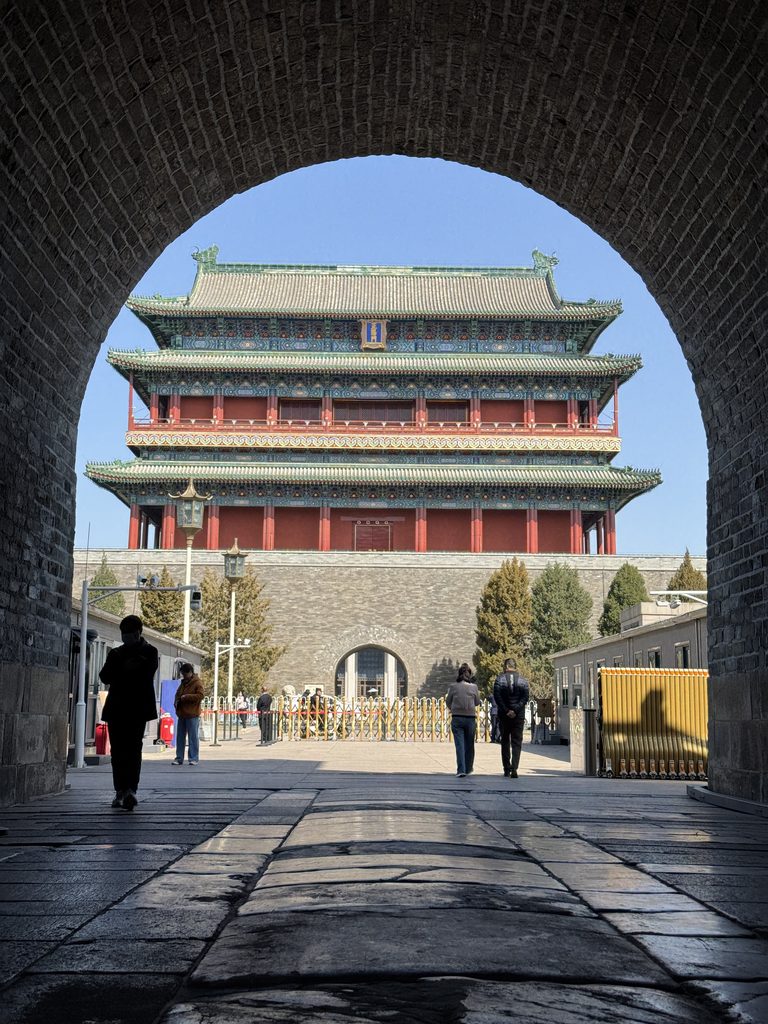
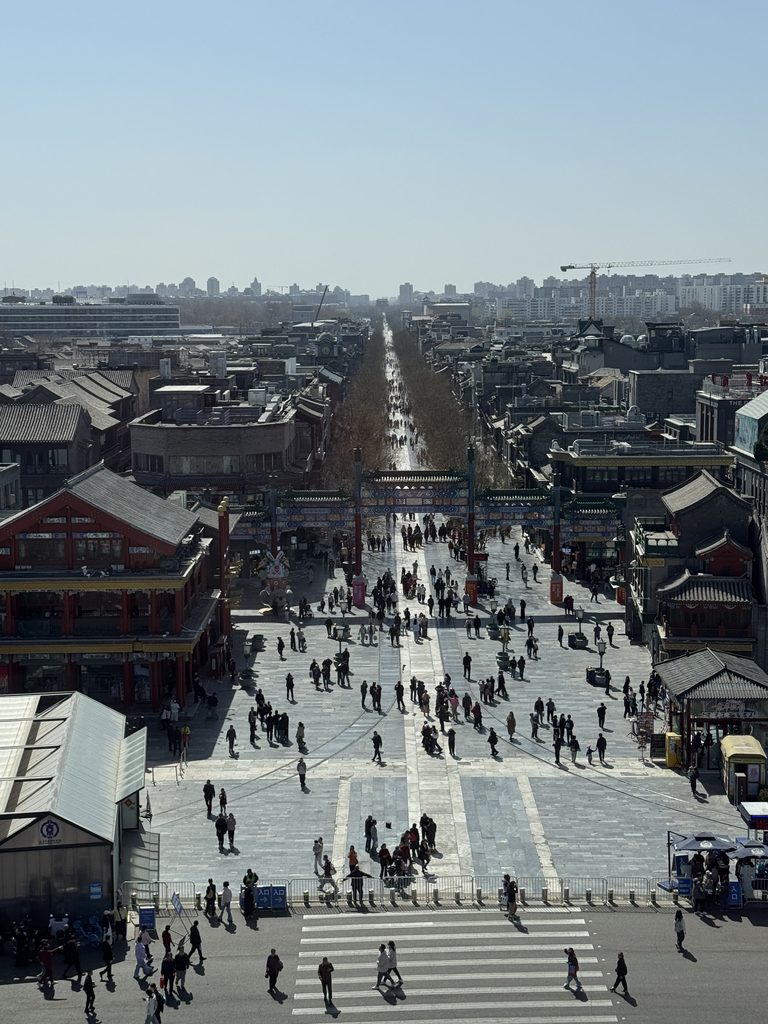
The Zhengyangmen Arrow Tower makes a fitting starting point, where the Beijing Central Axis meets the shopping streets of Qianmen. Heading south along Qianmen Street, the route passes Quanjude, known for its Peking duck, and businesses whose histories stretch back centuries.
There are two walks to choose from here: west through the old commercial lanes, or east toward Sanlihe’s waterways and the Underground City.
West: herbal traditions, Dashilan, and Yangmeizhu Xiejie
On Qianmen Street, Guangyuyuan introduces the district’s long association with traditional Chinese medicine. The company traces its origins to 1541; its museum and cultural activities offer a closer look at the ingredients and tools of the trade. We suggest adding an herbal sachet-making workshop, where participants handle and weigh herbs before filling a small fragrant pouch.
Continuing west into Dashilan, it is worth looking above the shop signs. Elaborate facades and upper-story windows hint at the district’s commercial past. Tong Ren Tang’s historic shop in Dashilan offers another connection to the area’s herbal medicine traditions. Founded in 1669, the business became a supplier to the imperial court.
Farther along, Yangmeizhu Xiejie brings bookstores, coffee shops, and design studios into the smaller lanes—a good place to leave time for browsing rather than planning every stop.
East: Sanlihe and a walk beneath the city
East of Qianmen Street, small bridges cross Sanlihe’s restored waterways beside courtyard walls. The paths offer a quieter approach to the neighborhood, away from the main shopping streets.
Nearby, Beijing’s Underground City takes the route below street level. Construction of the shelter complex began in 1969, during the Cold War; it reopened in 2026 as the Beijing People’s Air Defense History and Culture Museum. The preserved tunnels offer a look at the capital’s more recent history, making this a stop we recommend for those interested in the lives of Beijingers during that period.
Back at street level, the walk can finish with a meal around Qianmen. For a longer outing, Dongjiaominxiang, the former Legation Quarter, extends the route to the northeast, with a different architectural legacy to explore.
Planning the visit: Allow about two hours for either walk, with extra time for lunch, the museum, or a workshop. The Underground City is closed on Mondays, with last entry at 4 p.m. and access from Xixinglong Street. Our team can help arrange Guangyuyuan’s herbal sachet-making workshop, check consultation availability, and coordinate museum reservations.
A few tips for the colder months
- Dress for time outdoors. Fall mornings can be chilly; winter calls for thermal layers, warm socks, a hat, and gloves. Comfortable shoes with good grip are useful on uneven lanes and slippery patches.
- Plan around daylight. Midmorning works well for most of these outings. For afternoon photographs, check the sunset time rather than relying on a fixed golden hour.
- Leave room for food. Hot soy milk, dumplings, and tanghulu are easy additions to a walk, while a sit-down lunch gives time to warm up.
- Respect the neighborhood. Hutongs are people’s homes. Keep voices low, leave doorways clear, and ask before photographing residents or entering a courtyard.
- Keep the day flexible. One outing with lunch and a few stops can fill half a day. Around Lunar New Year, check opening hours and allow for busier streets.
For ideas beyond the capital, explore our guide to where to travel in China in winter.
Explore the hutongs with a WildChina guide
These walks can be explored independently, while a WildChina guide brings context to the details along the way: who lived behind a courtyard gate, how a shopping street developed, or which neighborhood dishes to try.
Our Beijing team can tailor these outings around food, history, photography, shopping, or a craft workshop, with help arranging lunch reservations, rickshaw rides, and other activities. Tell us what interests you, and we will help shape a hutong day around it.