GUDAO (Zhejiang Ancient Trails): Hiking Through the Tea Mountains of Songyang

0
Send Us An Enquiry
Send Us An Enquiry
  • This field is for validation purposes and should be left unchanged.
  • MM slash DD slash YYYY
Save To Wish List

Adding item to wishlist requires an account

46

Have questions?

Don't hesitate to reach out. Our travel designers will be happy to guide you!

China:
+86 10 6465 6602

USA:
+1 888 902 8808 (Toll Free)

Email:
info@wildchina.com


Follow us on WeChat!

If you use WeChat, scan this QR code to follow our official account, WildChina_Journeys. On WeChat, you’ll have China-travel inspiration at your fingertips and we have travel designers on call 24/7 to answer your questions.

5 Days
Availability : January - June | October - December
Lishui
Songyang

Discover Songyang’s ancient trails in Zhejiang province just south of Shanghai, where tea fields and centuries-old villages reveal a rich cultural heritage. Home to China’s largest tea market, this serene region blends timeless charm with breathtaking landscapes. Trek the GUDAO in Songyang to experience the tea journey—from cultivation to the joy of a freshly brewed cup—and walk the trails that tea merchants have tread for centuries.
About This Journey

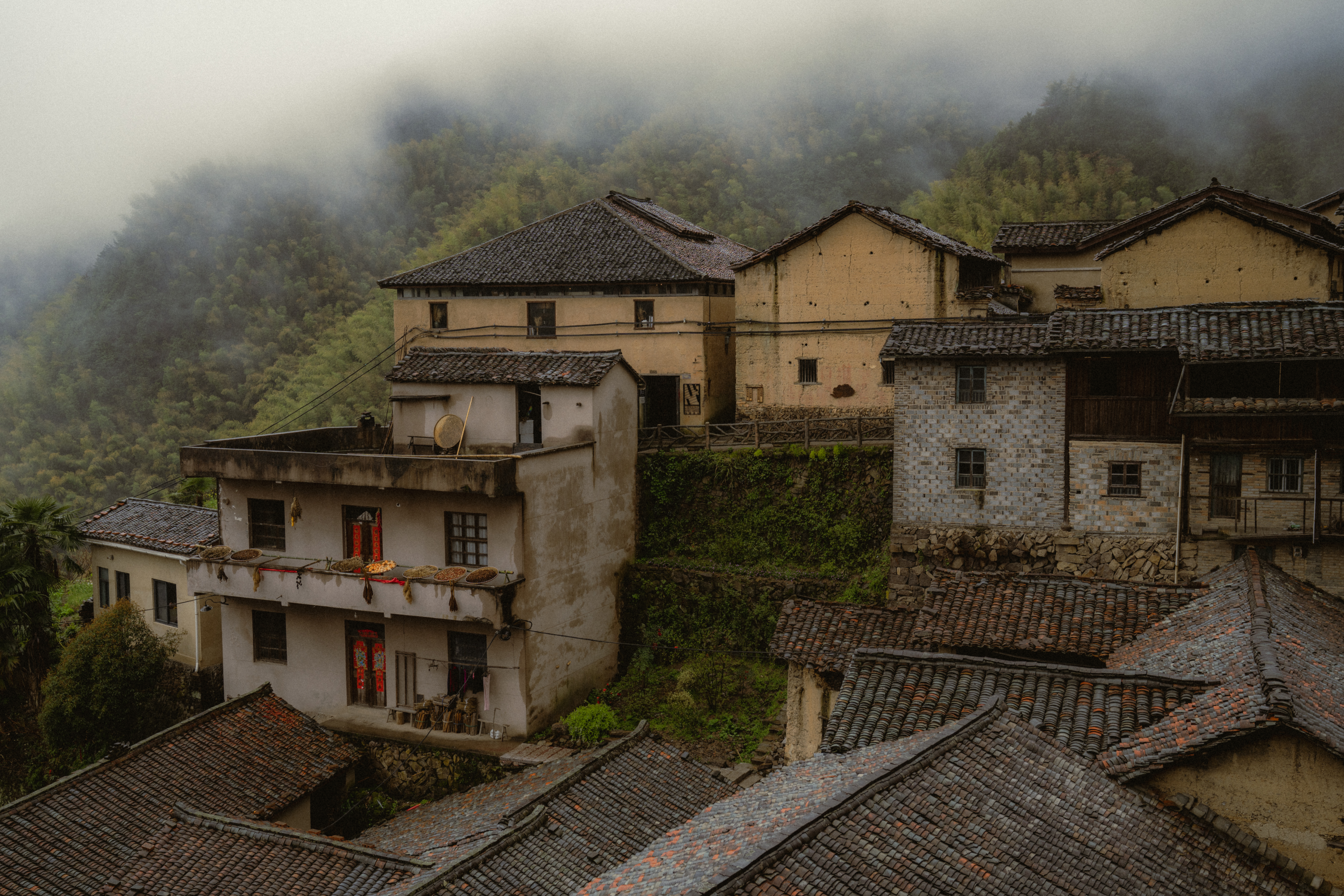
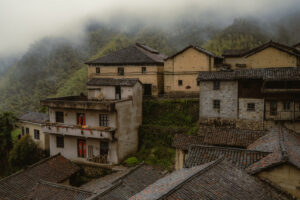
Tucked into the tea-terraced and mist shrouded folds of southwestern Zhejiang Province, Songyang is a place that China’s relentless modernization has bypassed. Here, 1,800 years of history unfolds not in museums, but in the daily rhythms of village life.


Over 75 traditional villages are scattered across Songyang, a higher concentration than anywhere else in eastern China. But inside the rammed-earth walls and silvery beams, the villages’ courtyards are alive with the chatter of elders as they knead green dough for qingmingguo. A delicate sweetness hovers in the air, answered by the telling clinking of tea glasses. While China’s megacities race toward the future, Songyang moves to an older cadence: the seasonal picking of tea, the weekly market days when farmers descend from mountain hamlets, the patient craft of woodworking passed down through generations.


But Songyang is also attracting a new generation. Young entrepreneurs are returning to ancestral villages, converting abandoned homes into minimalist guesthouses, workshops, and cafés while preserving the architecture of their ancestors.


The result is a precious haven, one where you can witness authentic rural Chinese life while enjoying thoughtful hospitality that respects both heritage and comfort.


To travel in Songyang is to hike into a quiet story, but a bold one too. Here, stepping through a verdant landscape cohabitated by millennia of families becomes a meditation on revitalizing tradition, slowly, thoughtfully, as careful as a pour of tea, against the pace of a speeding world.

What We Love
  • Collecting and tasting wild medicinal herbs and flowers with a heritage master.
  • Walking over Ming Dynasty stone bridges and pathways that have connected ancient villages for centuries.
  • Stopping to enjoy freshly brewed green tea under the ancient wooden beams of ancestral homes mid-hike.
Itinerary

Day 1Your Journey Begins

Arrival in Songyang

Arrive in Lishui by high-speed rail or by air from farther afield, then drive for one hour into the mountain-folded world of Songyang.

Rest or Explore No. 9 Coffee

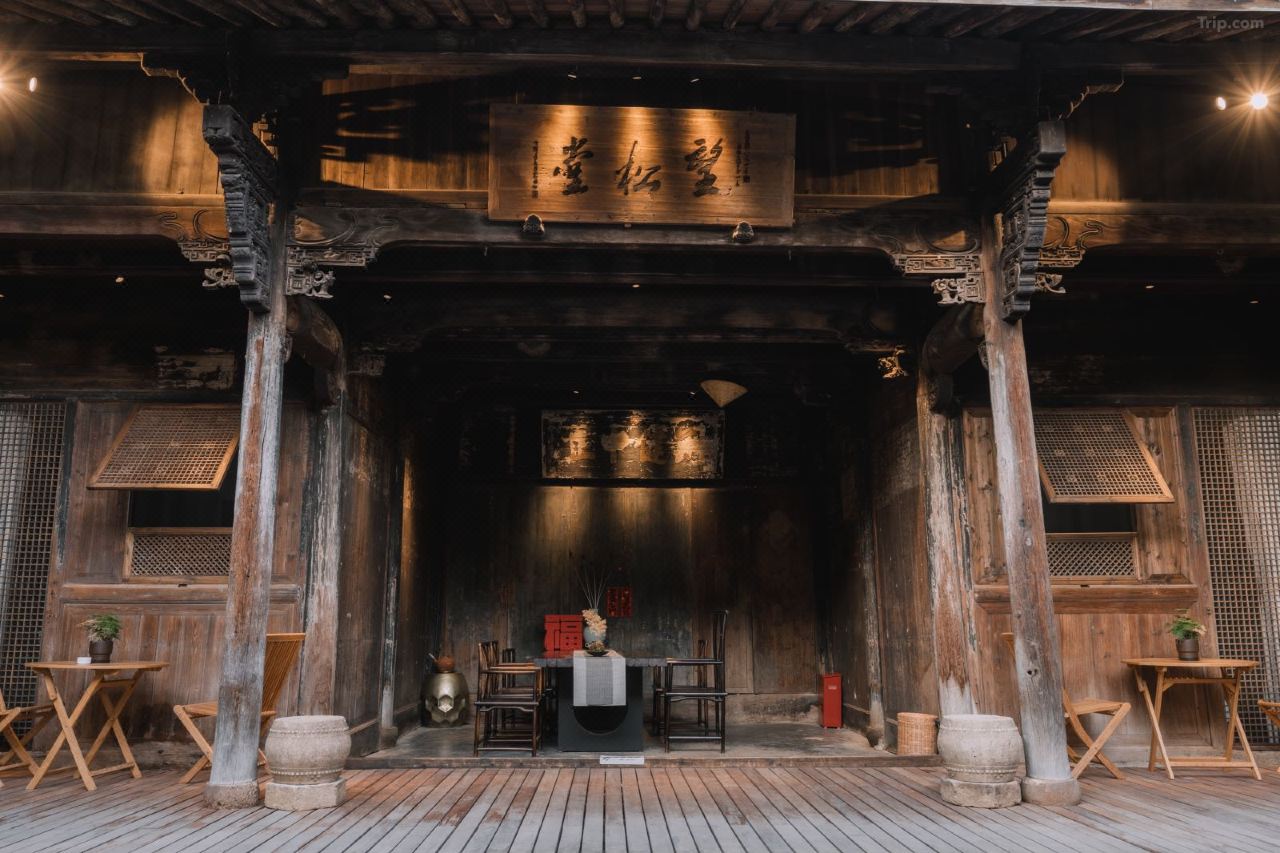
If the travel has left you weary, settle into your five-star hotel for rest. Or make your way to No. 9 Coffee, WildChina’s flagship coffeehouse, carved from the bones of an ancient multi-story wooden building in the old town. Relax on the rooftop terrace in the afternoon sun. Below, a sea of gray-tiled roofs ripple toward Dushan Mountain, where a Song Dynasty summit pavilion has stood sentinel over a thousand years of comings and goings.

Old Town Stroll

Descend into the old town’s narrow lanes and peek into workshops where craftsmen practice trades passed down through generations. Woodcarvers, metal smiths, and tea merchants arranging their wares with quiet precision. The air carries the scent of tea and aged timber.

Authentic Songyang Dinner

As evening settles over the valley, sit down to an authentic Songyang dinner: dishes built from what the mountains and fields offered that morning, prepared with the kind of care that comes from knowing every ingredient by name.

Your luggage will be transported to the next stop, but you should carry a day pack with water and snacks (provided by us). 


Day 2Songyang to Tanghou Village

Total distance: 11km, 700m gain (6.5 hours hike)

Drive to the GUDAO

A 20-minute drive delivers you to Longdian’er Bridge, the start of the trailhead. The ancient flagstones that have threaded these mountains together for centuries wind their way up into the valley before you.

Longdian’er Bridge to Chenjiapu Village

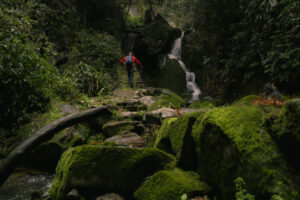
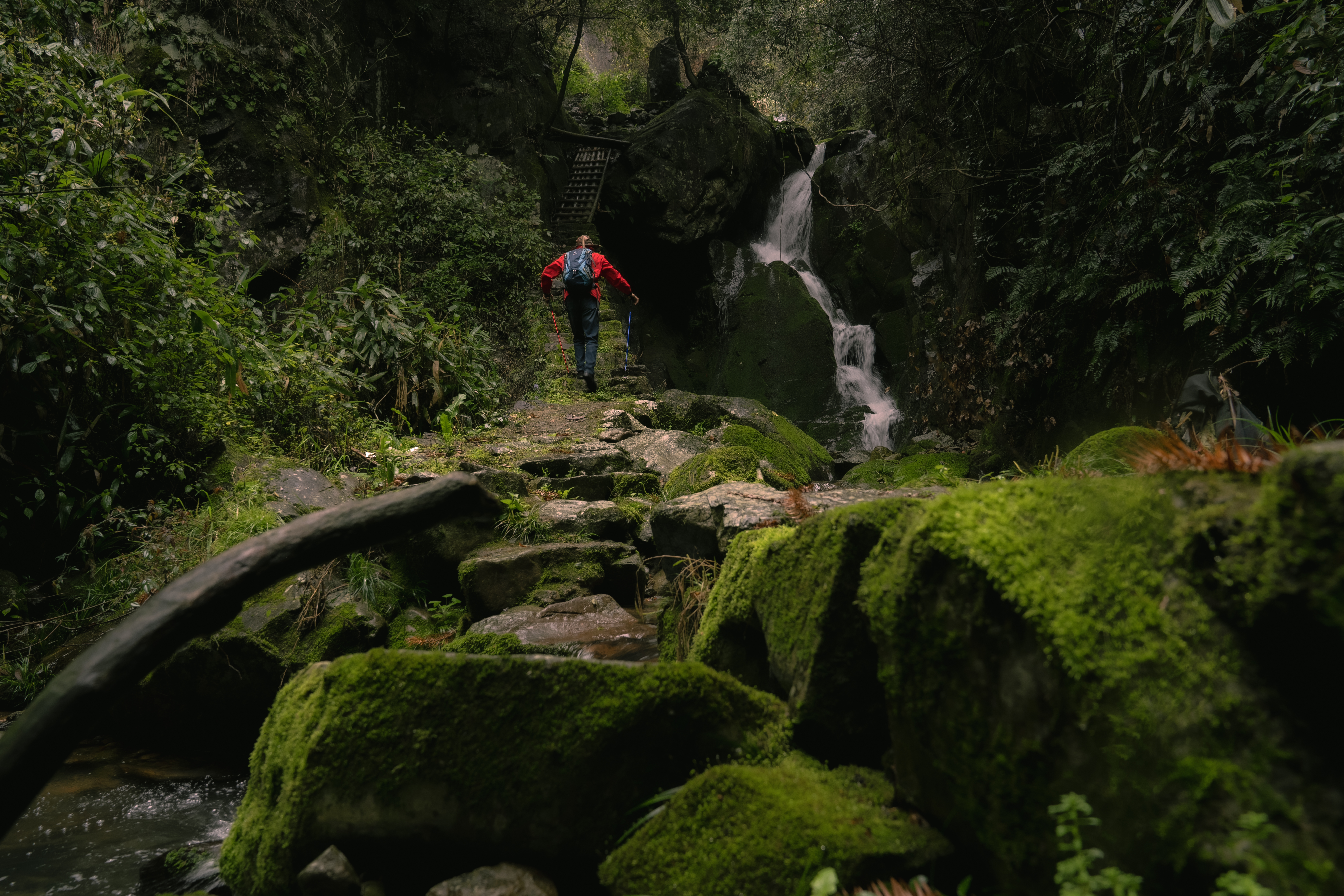
Begin your ascent past a temple dedicated to the local rain god, then climb alongside a mountain stream where hidden waterfalls tumble through the forest. Beneath your feet lie weathered, moss-covered stones laid centuries ago by villagers eager to trade crafts and ideas. At a small village museum, handle the weight of heritage: suōyīrain capes woven from palm fiber, tools shaped by generations of hands.

Chenjiapu

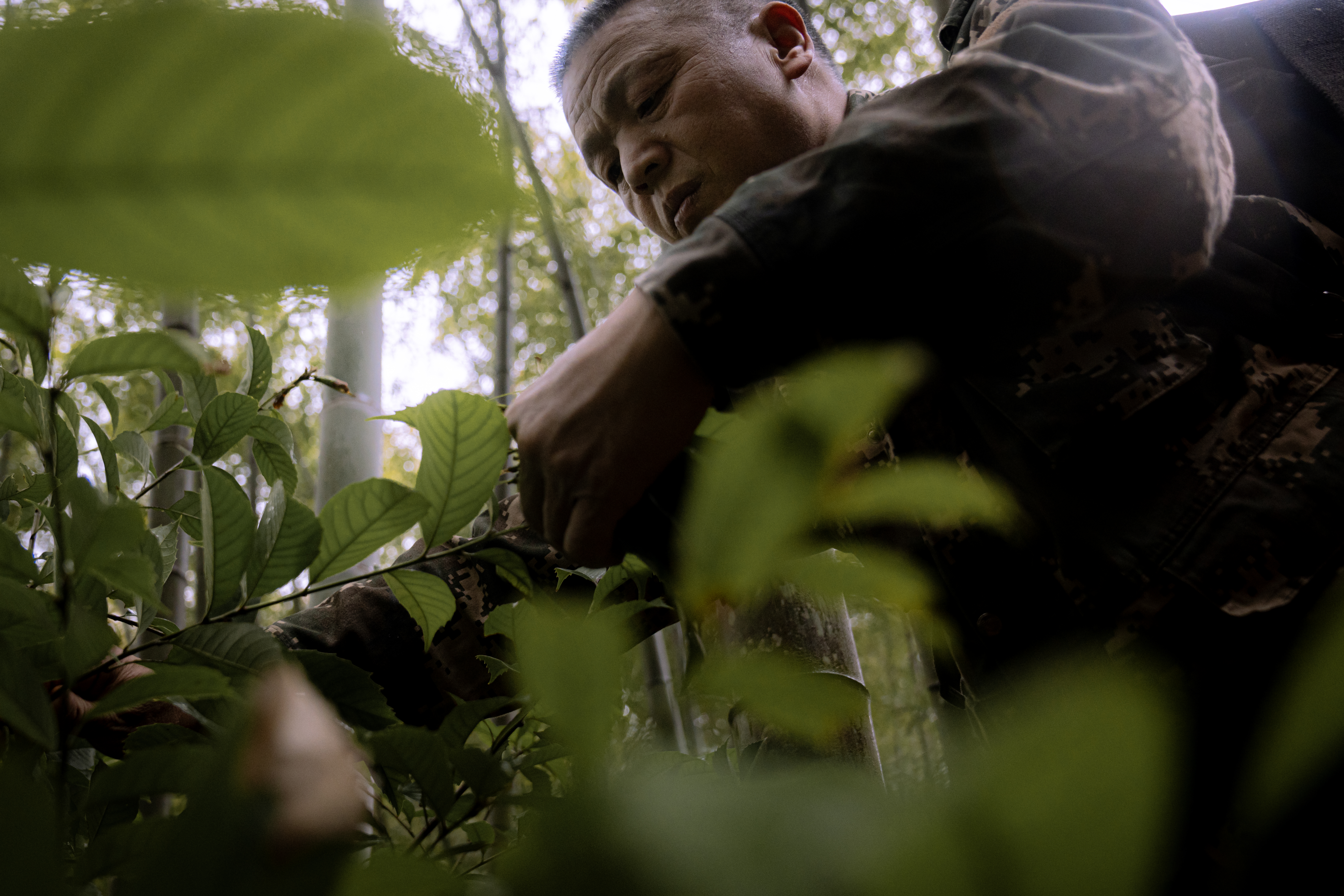
By noon, reach Chenjiapu, a hamlet clinging to the mountainside above terraced tea fields and an ocean of bamboo. Lunch is freshly made from local ingredients: seasonal bamboo shoots, a white radish and pork soup, and the local specialty, huángmǐguǒ, stir-fried yellow rice cake. After you finish your meal, a local herb master, who learned the names and medicinal properties of all the plants in Songyang from his parents—as they did from their parents before them—will show you what he’s been collecting during your morning hike and how to use the forest’s treasures to make a special medicinal tea, duānwǔ tea.

Afterward, sip coffee overlooking the valley and browse the village bookstore—the quiet catalyst that helped revive this community.

Chenjiapu to Tanghou Village

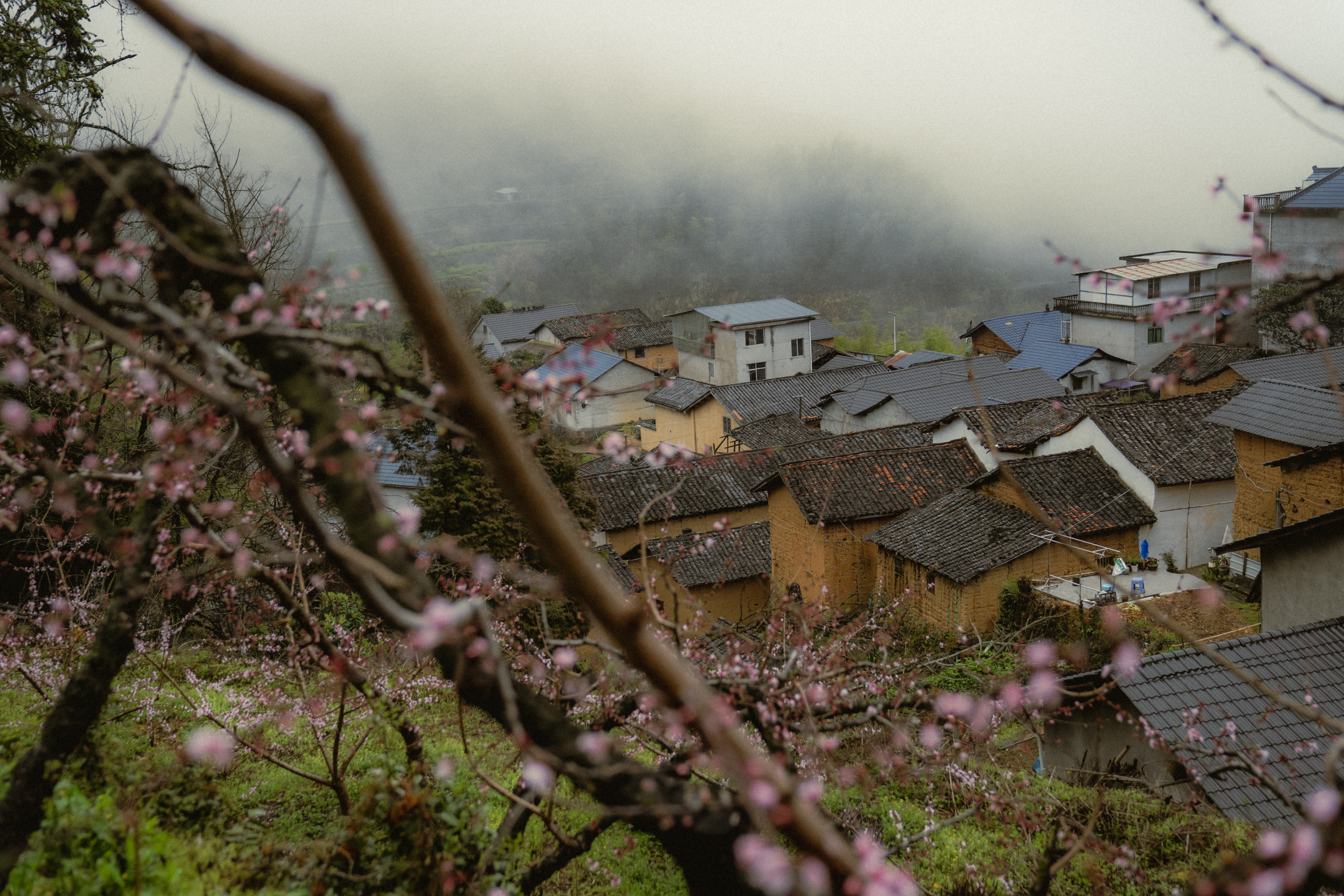
The path continues through bamboo forests that sway and whisper, opening occasionally to reveal sweeping views of tea gardens and cherry trees. An ancient stone staircase descends to a forest pavilion where you may catch your breath beside a stream before the quick climb to Pingtian village. As you enter its weathered streets, a tucked-away café offers tea, snacks, and handmade gifts.

The final stretch is downhill, followed by a short ascent into Tanghou Village, where a fengshui grove of centuries-old trees stands watch. Dinner awaits at your guesthouse, still steaming. The quiet settling of dusk harked by the day’s last birdsong accompanies you as you rest from the day’s efforts.

Your luggage will be transported to the next stop, but you should carry a day pack with water and snacks (provided by us).

Day 3Tanghou to Youtian Village

Total distance: 18km, 650m gain (10 hours hike)

Tanghou to Zicao Village

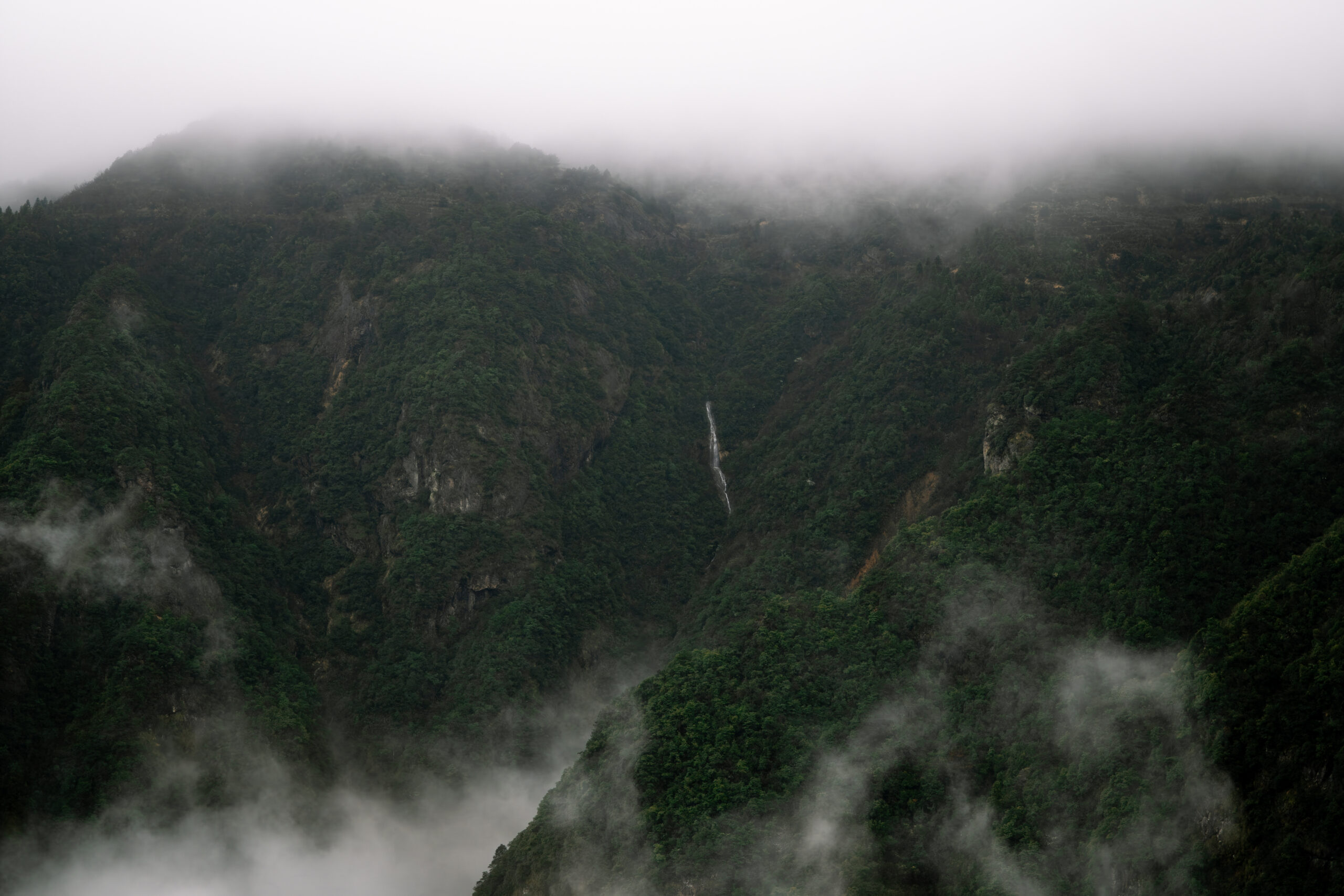
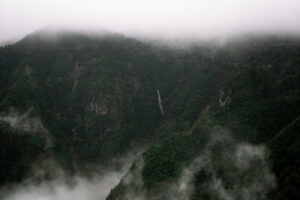
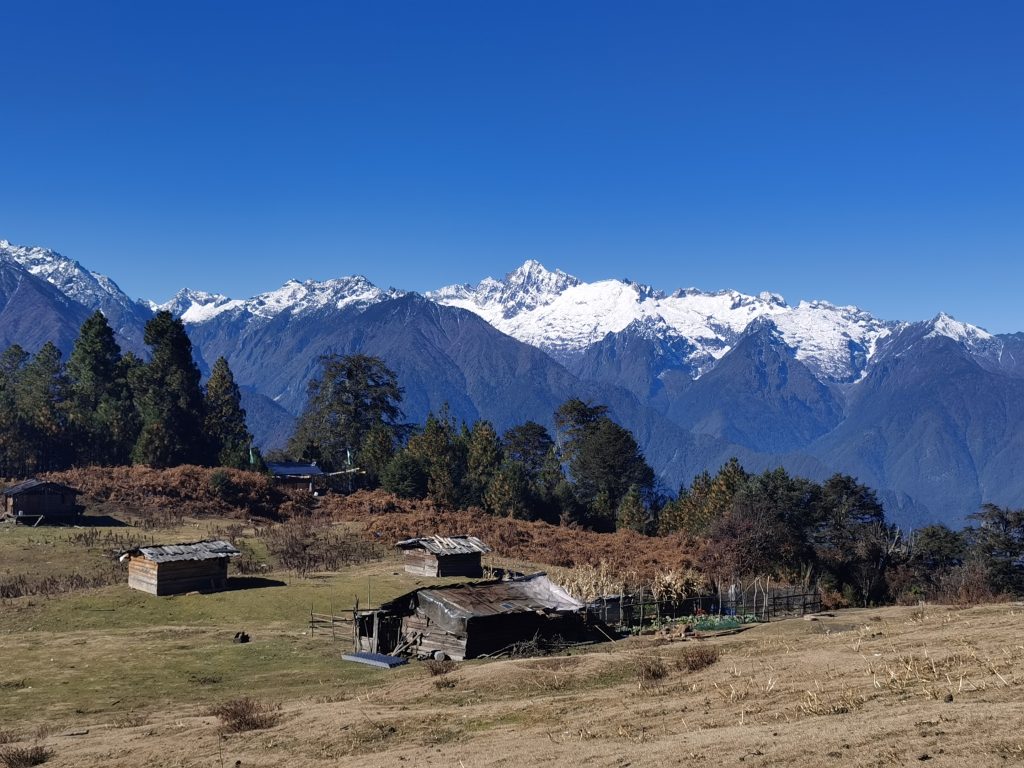
This is a big morning, so fuel yourself well at breakfast. You’ll climb 400 meters steadily through forest that shifts from bamboo and broadleaf to pine as you ascend. At the ridgeline, fatigue dissolves into wonder at the view of mountains rippling out in every direction, villages tucked into valleys far below, and a distant waterfall glimmering through the morning mist.

The trail continues through old farm fields now reclaimed by national forest, the result of China’s massive 21st-century reforestation efforts, a living testament to evolving conservation policy. In forest pockets, farmers still cultivate Chinese medicinal herbs. Traverse some of the wildest stretches of the GUDAO before descending into Zicao village for a well-earned lunch and rest.

Zicao to Youtian Village

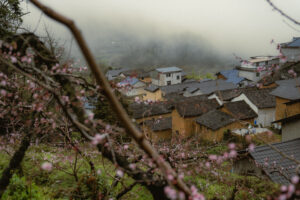
The afternoon is longer in distance but gentler in spirit—almost entirely downhill. You’ll surrender the morning’s elevation gain slowly, passing through six villages cradled by cherry trees and tea terraces.

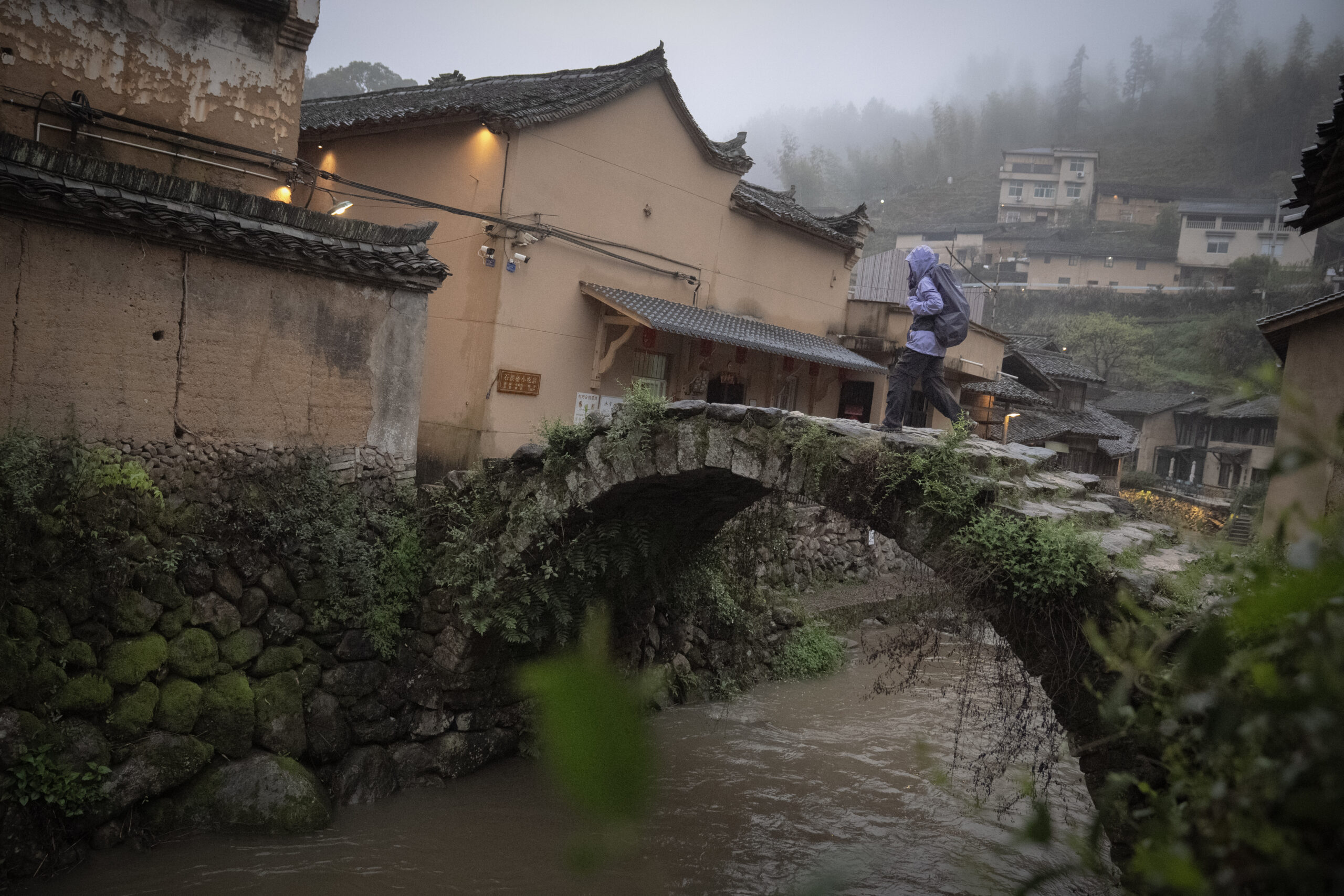
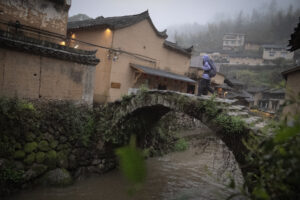
One of the last villages is Songzhuang. Although the descent towards it, on a river trail, is unassuming, the village reveals one of the region’s most remarkable bridges: a centuries-old stone arch held together not by mortar, but by the precision of fitted stone and the elegance of physics. Bridging the banks of a gentle steam, it is subtle evidence of the ingenuity that built life in these valleys.

Pause for tea or coffee beside the bridge, then walk the final kilometers to Youtian, where a 400-year-old pine towers over tiled roofs and rammed-earth walls. Your restored courtyard guesthouse awaits. You’re home.

Your luggage will be transported to the next stop, but you should carry a day pack with water and snacks (provided by us).


Day 4Youtian to Tongxi Village

Total Distance: 7km, 150m gain (4 hours hike)

Green Tea Picking

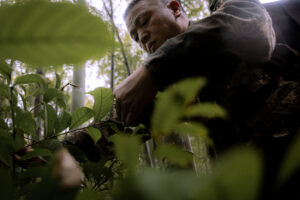
Start early with a stroll through the village and a fresh breakfast, then drive to a mountainside tea field. As mist parts, the river valley unfolds far below. Join local pickers who show you their swift, practiced movements as they pluck only the youngest top leaves. Fill your bag alongside them and learn a trade as old as these hills. (Tea picking is subject to seasonal availability.)

 Tea-Whisking Workshop

Back at your courtyard guesthouse, a local tea expert will guide you through the ancient art of the Song Dynasty diǎnchá (tea-whisking) Less popular among the Chinese—who after the Ming dynasty largely preferred to drink whole-leaf tea—this ancient ritual was preserved and made famous to the West through the Japanese art of matcha. Whip up your own, fresh bowl and let the grassy aroma energize you for the final stretch of your afternoon hike.

Youtian to Yangjiatang Village

Wind downward through forest until you emerge suddenly at an overlook: Yangjiatang Village spreads below in terraced layers, earning its nickname as the “Potala Palace of Songyang.”

A centuries-old camphor tree greets you at the village entrance, its massive trunk inviting your embrace and its limbs forming a cathedral overhead. Below, the “husband-and-wife trees” shade the village center. Wander narrow lanes, taste piping-hot fried tofu, and watch women wash clothes in moss-lined rivulets. Enjoy your lunch on the porch of a family-run restaurant while listening to the sounds of the countryside humming around you.

Yangjiatang to Tongxi Village

After lunch, savor your final kilometers on the trail through some of its gentlest, most beautiful sections. Tread under wild weeping willows and over ancient stones that wind alongside a stream. Inhale the scent of bright, edible azalea blooms and patches of Chinese foxglove poking shyly between the rocks.

Near the end of the trail, slip off your shoes and dip your toes in cold water beneath another centuries-old stone bridge. The landscape opens into wide, sun-bathed tea fields bordered by unexpected cliffs. You’re back in the valley now. After a short walk along the road, reach your driver who awaits to bring you back to Songyang. End the day with a hot shower, one last meal in the old town, and the quiet satisfaction of a journey completed on foot.

Your luggage will be transported to the next stop, but you should carry a day pack with water and snacks (provided by us). 


Day 5Departure from Songyang

Visit the Local Tea Market

After breakfast, drive to Songyang’s famous tea market, a sprawling 71,500-square-meter hub that has grown from humble beginnings into one of China’s largest green tea trading centers. Each morning it comes alive when farmers arrive with their harvest, and the vast space fills with the rustle of leaves and the hum of negotiation.

Watch the entire process unfold: workers sifting tea through screens to separate dust and broken leaves from premium whole buds, grading by quality, then packing into massive plastic bags for shipping across China and beyond. Buyers move methodically from stall to stall, plunging hands deep into each bag, lifting samples to the light, rolling leaves between fingertips, bringing them close to inhale their fragrance. Every gesture is deliberate, practiced, and precise.

Here, in the controlled chaos of commerce, you witness what you’ve walked through over the past days: tea as the meeting point between mountain and market, nature and craft. In Songyang, it anchors village life, perfumes the hillsides, and sets the tempo of the seasons.

Depart Songyang

Drive one hour back to the Lishui high-speed rail or airport to begin your journey home or elsewhere in China.

Your luggage will be transported to the next stop, but you should carry a day pack with water and snacks (provided by us).


Hotels

Guandoo Mansion · Songyang Wenli

Local Boutique

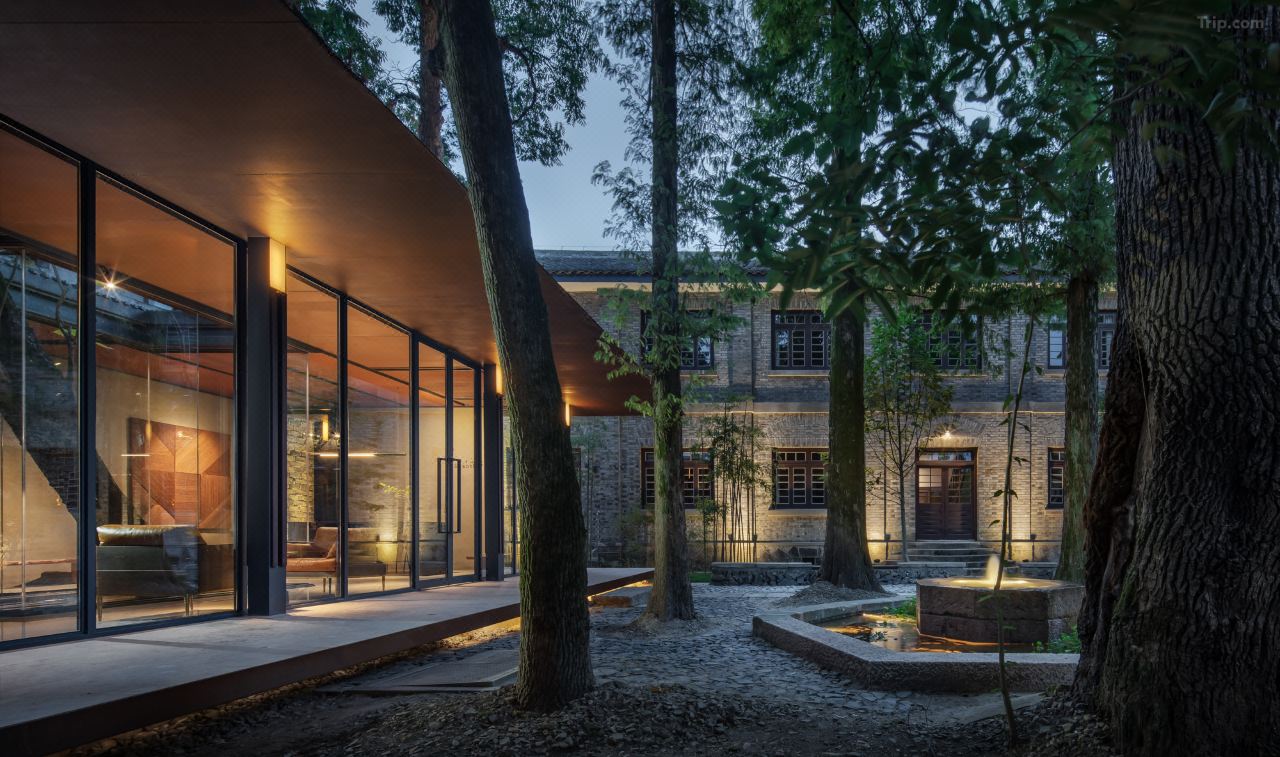
Guandoo Mansion · Songyang Wenli is a beautifully crafted boutique hotel set on the historic Songyang Old Street in Zhejiang Province, where traditional Chinese heritage architecture meets refined modern design. With serene patios for enjoying a cup of coffee from the charming coffee bar to an on-site restaurant housed in a renovated old bank that serves Songyang home-style cuisine, Guangdoo Mansion showcases the quiet character of its surroundings. With mountain views, birdsong mornings, and a tranquil old-town setting, this is a hotel that offers genuine cultural immersion rather than a standard stay.

Folk Flowers Homestay

Local Boutique

Folk Flowers Homestay sits quietly in Tanghou Village, tucked into the folds of Songyang’s ancient mountain landscape. The homestay feels less like a hotel and more like a home that has always been there, its folk-style architecture rooted in the traditions of the surrounding villages, yet welcoming guests with warmth and attentiveness.

Youtian Huakai Boutique Hotel

Local Boutique

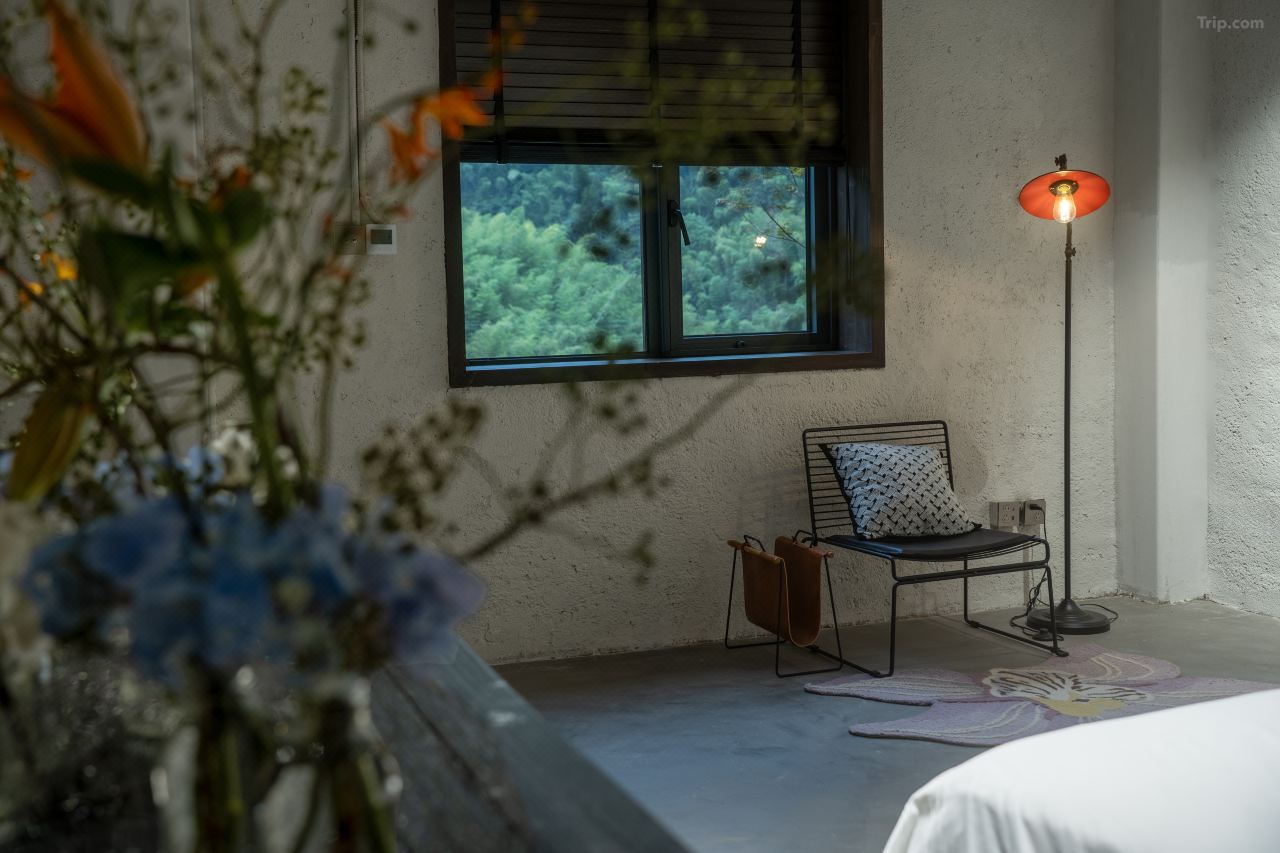
Youtian Huakai Boutique Hotel’s clean, modern aesthetic lets the surroundings do the talking: large windows frame sweeping views of terraced tea plantations that roll across the hillside, while a terrace invites guests to linger as the village shifts from golden afternoon light into the soft glow of evening. When the day’s wandering is done, the communal spaces draw guests together to swap stories, sip tea, and sink into the unhurried rhythm that defines life in this corner of southern Zhejiang.

Details

Seasonal Availability

January – June | October – December

Please note that there might be some adjustments from December to February due to the tea production pause.

What’s Included

  • Services of an English-speaking WildChina local guide
  • Accommodation based on single occupancy with breakfasts included
  • All overland transfers with private chauffeur and in-transport refreshments
  • Private chauffeur service to and from airport at start and end of your trip
  • All admission fees and activity expenses, as noted in the itinerary
  • Meals as noted in the itinerary with complimentary drinking water

What’s Excluded

  • International flights plus relevant taxes
  • Chinese tourist visa, which is required for most foreign passport holders
  • Travel and medical insurance
  • Meals, apart from those included in the itinerary, and alcohol
  • Expenses of a personal nature
  • Excursions and activities not included in the itinerary
  • Discretionary gratuities for guides and drivers
Next Steps

How do I secure my spot on this tour?

Please use the inquiry form on the right-hand side of this page or email info@wildchina.com. If you’d like to customize a private pre or post trip to explore more of China, please let us know and we’d be happy to work with you on that! 

For international bookings: Once you are ready to book, a $500 USD per person planning fee is required to begin reserving your arrangements. This will go towards your total trip costs and will be taken off your final balance amount.

What is the payment schedule?

1. Deposit:

Once you are ready to book, a $500 USD per person planning fee is required to begin reserving your arrangements. This will go towards your total trip costs and will be taken off your final balance amount.

2. Full payment:

Full trip payment will be requested 60 days prior to departure. If you’re booking within 60 days of your departure, you may be asked to pay make the full payment straight away.

Payments can be made via credit card, bank transfer, WeChat or Alipay.

What is your cancellation policy? 

What should I prepare for hiking and camping?

For detailed information on what to prepare for hiking and camping, please refer to our FAQ page.

Why WildChina

We’re on the ground with you

During the planning phase, our team of specialist travel advisors based in China will design every detail of your trip with you. When you’re on the ground, they will then orchestrate your entire journey, maintaining close contact with each of your guides throughout your trip to ensure you’re having the best journey possible. With offices in Beijing, Shanghai and Chengdu, and an expansive network of operational partners across the country, we are committed to ensuring that your journey is safe, reliable and comfortable from beginning to end. 

Your trip, your way

Flexibility is our highest-ranking complement. With over two decades of experience, we’ve run just about every type of journey you can imagine. No request is too strange, too extreme, or too exclusive. Our team regularly pulls off unprecedented logistical feats; nearly any time frame or budget is within our realm. No matter how you wish to experience China, we are here to bring that dream to life. 

We embody passion

WildChina’s guides are carefully handpicked for their knowledge and charisma, then meticulously trained to maintain our exceptional service standards. They are expert storytellers and passionate natives of the regions where they guide, having the perfect combination of local insights and service know-how to bring you seamless once-in-a- lifetime moments all across China. 

The little things, the big picture

We firmly believe that supporting local people and economies allows you to experience the soul of a destination, while also protecting and cultivating China’s cultures. From watching artisans’ handmake shoes in Yunnan, to picking organic vegetables for dinner on a local farm in Fujian, our tours are designed to showcase and protect China’s heritage, both natural and human.