Food and Drink
 Shopping
 Transportation
 Accommodation
 Useful Tips
 By Destination
 By Interests
 Pre-departure Guides
 Travel Updates


While no one expects visitors to know every custom, a little understanding of etiquette in China can enrich many of the moments that make travel memorable, from sharing a meal to visiting a temple or being welcomed into someone’s home.
We asked members of the WildChina team to share the advice they most often pass on to guests. Here are some of the everyday customs they’re most likely to introduce along the journey.
Sharing a meal
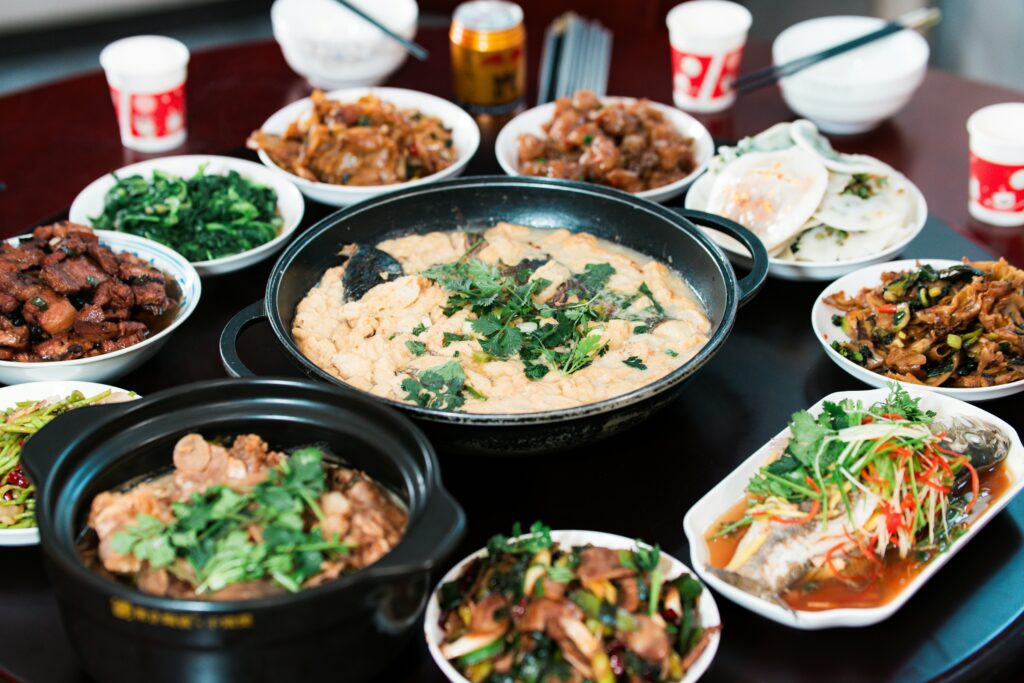
Meals in China are often shared. Around the table, passing dishes, raising a toast, and pouring tea create opportunities to connect over food and conversation.
“When you put your chopsticks down, rest them across your bowl or on a chopstick holder rather than standing them upright in your rice. Upright chopsticks resemble incense used during memorial ceremonies, so many people avoid doing this.” — Chen
“At a traditional Chinese banquet, shared dishes are often served on a rotating “lazy Susan”. It’s polite to take food from the section closest to you and wait for the table to turn before helping yourself to another dish.” — Estela
“If you’re invited to share a toast, it’s customary for younger guests to hold their glass slightly lower than the host’s or an elder’s as a subtle sign of respect.” — Shiyu
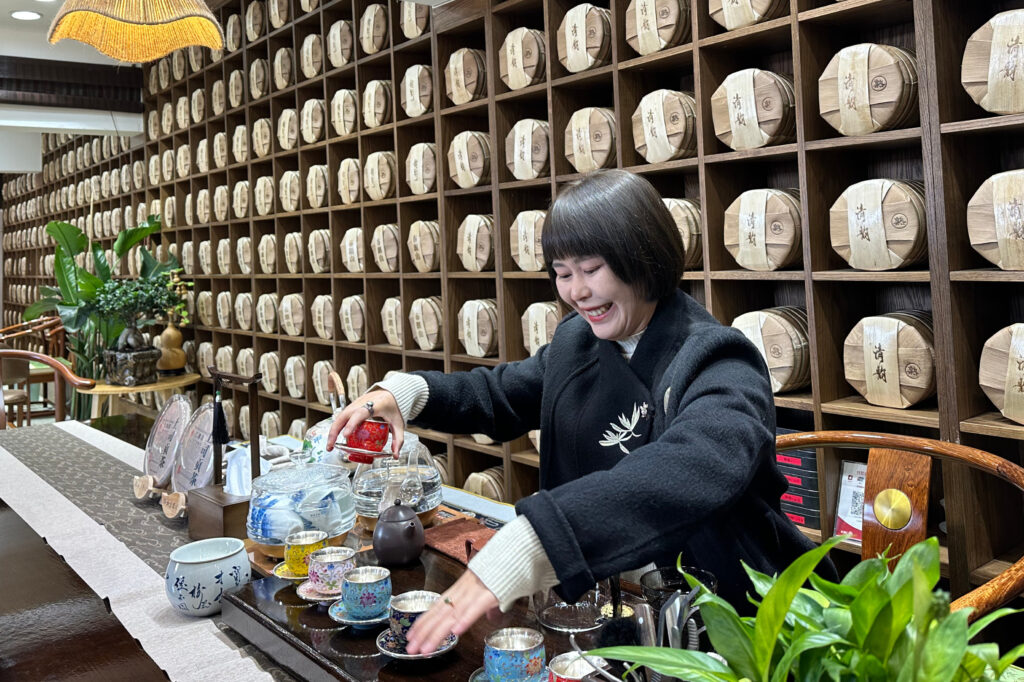
“When someone pours you tea, you can thank them without saying a word by gently tapping the table with your fingers. If someone older is pouring, use a loose fist. Among friends, tap the table three times with your index and middle fingers together.” — Qiujing
Tipping
“In most everyday situations, there’s no need to tip. It’s not expected and can sometimes cause confusion.” — Chen
Unlike in many countries, tipping isn’t part of daily life in China. Local restaurants, cafés, taxis, and many other services don’t generally expect gratuities. There are exceptions, particularly for private guides and drivers or at some international hotels. For more guidance, see our Tipping in China guide.
Gift giving
“If you’re bringing a gift, choose something other than a clock or watch. The phrase for ‘giving a clock’ (送钟, sòng zhōng) sounds the same as ‘seeing someone through to the end of life’ (送终, sòng zhōng), giving it an unfortunate association.” — Olivia
“Umbrellas and knives are also best avoided as gifts. Traditionally, they can symbolize parting ways or cutting ties.” — Chen
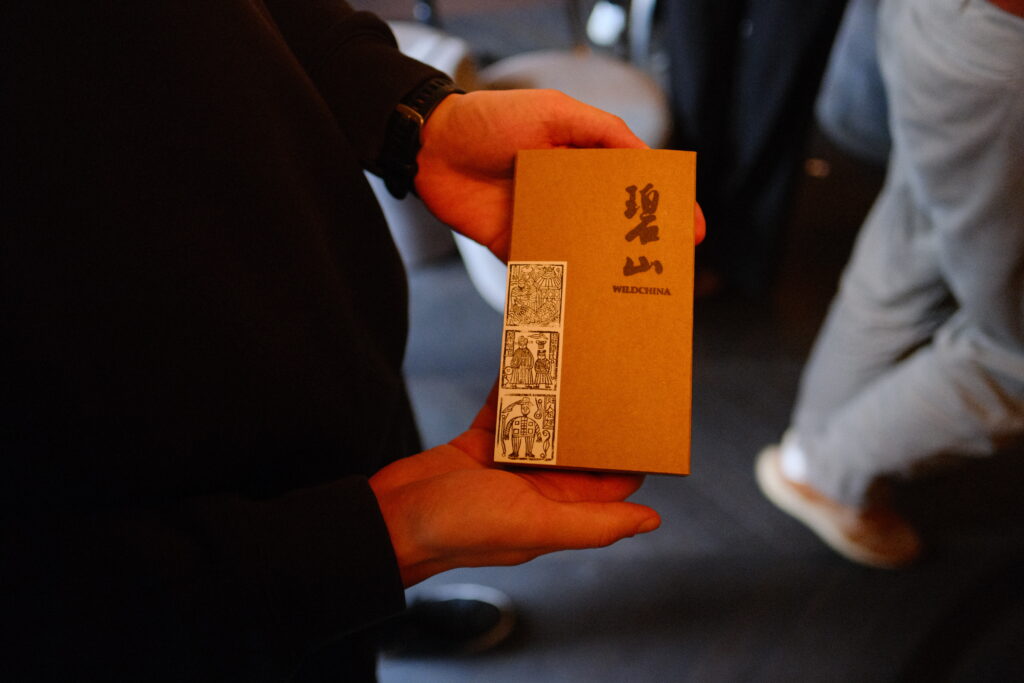
Gift giving in China is rich in symbolism, with certain items carrying meanings rooted in language and tradition. If you’re invited into someone’s home, local specialties from your own region, tea, seasonal fruit, or snacks are all thoughtful choices. Gifts are traditionally presented and received with both hands as a sign of respect, and many hosts will wait until after guests have left before opening them.
Visiting temples
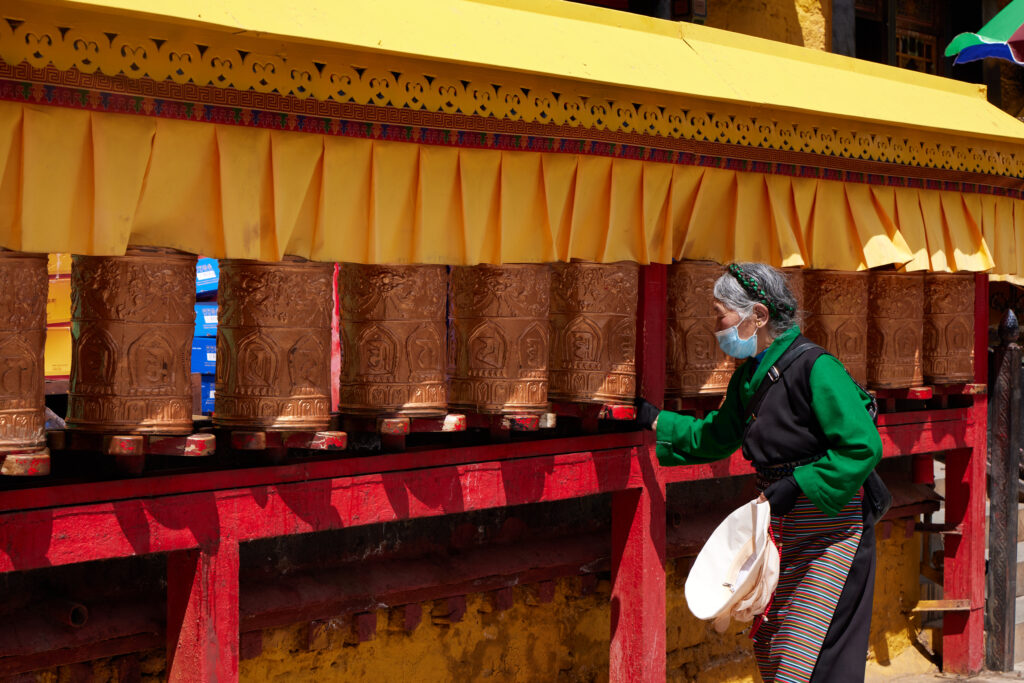
From neighborhood temples tucked between city streets to centuries-old monasteries in the mountains, visitors share these spaces with people who come to light incense, make offerings, and pray throughout the day. Taking a moment to observe quietly offers another perspective on the role temples continue to play in communities across the country.
“Dressing modestly by covering your shoulders and knees is a thoughtful way to show respect.” — Estela
If photography is permitted, it’s worth being mindful of those who are there to worship and avoiding disruption during ceremonies or prayers.
Photography

Travel photography offers an opportunity to capture not only places, but also the people and traditions that bring them to life. Taking a moment to ask permission before photographing someone is a simple gesture of respect that can also lead to meaningful conversations and memorable encounters.
“When visiting ethnic minority communities, take a moment to ask before photographing local residents, especially women and children. It’s a simple gesture of respect that can make all the difference.” — Estela
Everyday interactions
Everyday interactions offer some of the best opportunities to connect. Simple gestures of courtesy and an open attitude can help conversations unfold naturally.
“Rather than pointing with one finger, use an open hand when indicating a person or direction. It’s a small gesture that feels more polite in China.” — Estela
“People may ask about your age, family, or work quite early in a conversation. They’re often simply making conversation and getting to know you.” — Shiyu
Every region, community, and family has its own customs, and etiquette naturally varies across China. Approaching new situations with respect, openness, and a willingness to observe those around you matters far more than knowing every tradition in advance.
For more practical advice before departure, explore our Pre-Departure Guide, which covers everything from culture and dining to transportation, language, and life on the ground in China.