Food and Drink
 Shopping
 Transportation
 Accommodation
 Useful Tips
 By Destination
 By Interests
 Pre-departure Guides
 Travel Updates


Most travelers come to Beijing for its imperial palaces, ancient temples, and the Great Wall. Yet for a few weeks each summer, some of the city’s most revealing cultural experiences unfold far from its famous landmarks.
Across the campuses of the Central Academy of Fine Arts (CAFA) and Tsinghua University’s Academy of Arts and Design, graduation season transforms classrooms, studios, and exhibition halls into sprawling public galleries. Visitors are free to wander among installations, paintings, films, prototypes, fashion collections, and interactive works created by artists and designers at the beginning of their careers.
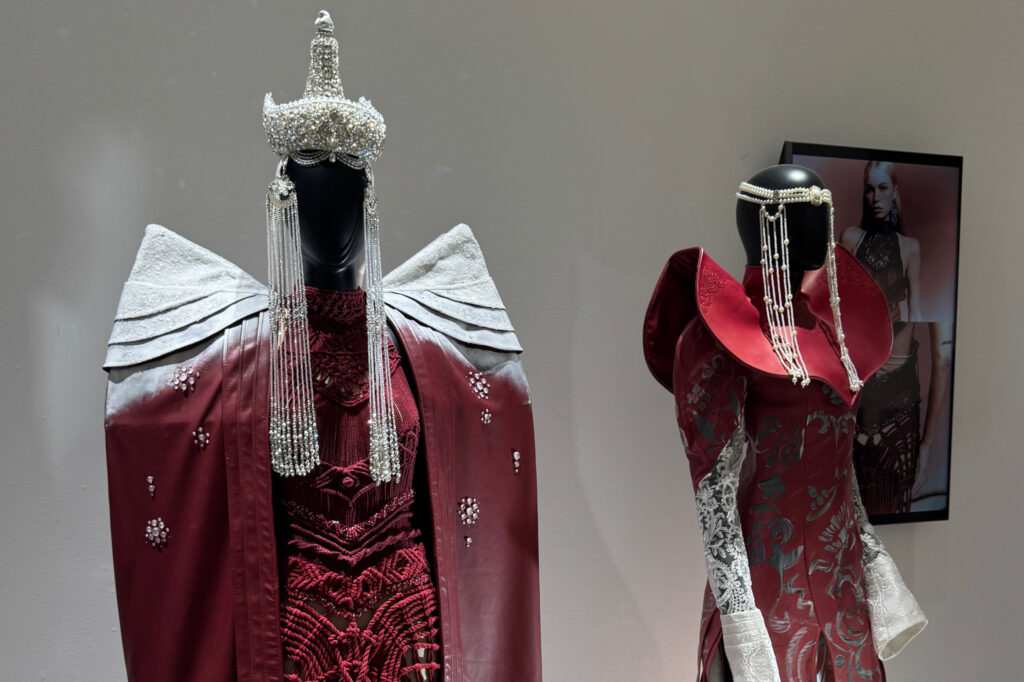
Unlike museums, where collections reflect established reputations and completed careers, these exhibitions offer something rarer: the chance to see how China’s next generation of artists is thinking before commercial expectations or public recognition begin to shape their work.
For those hoping to understand contemporary China, few experiences offer a more immediate view of the country’s creative present.
Art that invites you in
The exhibitions attract far more than the students’ families. Design students sketch in notebooks, photographers weave through the crowds taking graduation portraits, and groups of friends compare their favourite projects over iced coffees carried between exhibition buildings.
Exploring the exhibitions feels less like visiting a museum than stepping into an ongoing conversation, with many students on hand to discuss their work.
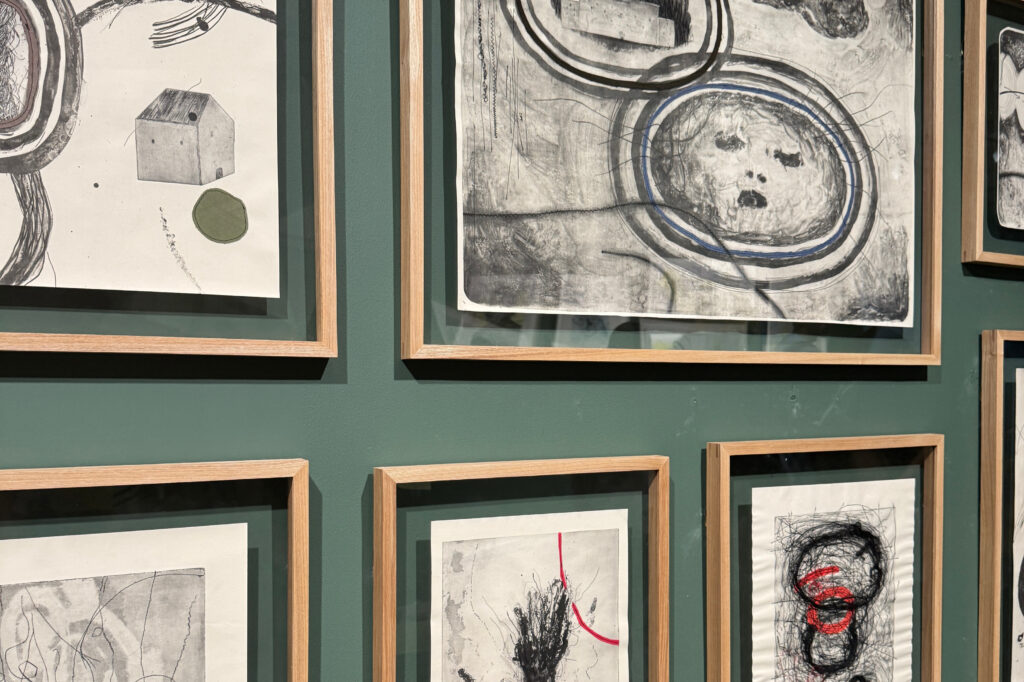
Although CAFA and Tsinghua each have their own identity, together they offer a portrait of a generation grappling with technological change, environmental concerns, shifting identities, and evolving ideas about wellbeing.
One of the first things visitors notice is how naturally technology has become part of the creative process. Interactive installations, projection mapping, AI-assisted design, motion sensors, and immersive digital environments appear throughout both campuses. Yet technology is rarely the subject itself. Instead, it becomes another material through which ideas are expressed.
Some works reveal themselves only through participation. A projection shifts as someone enters the room. A sculpture responds to movement. An installation remains incomplete until several visitors engage with it together.
It is easy to see which pieces have captured the crowd. Visitors wait patiently for their turn, then remain to watch how others respond. The artwork becomes less an object than an experience, unfolding slightly differently with each participant.

The exhibitions reward curiosity rather than passive observation, reflecting a generation that has grown up treating digital technology as an ordinary part of daily life rather than something novel.
What the art reveals
Beyond the interactive surfaces lies something unexpectedly intimate. Across both campuses, familiar themes emerge: mental wellbeing, identity, environmental change, uncertainty, and the search for human connection in an increasingly digital world.
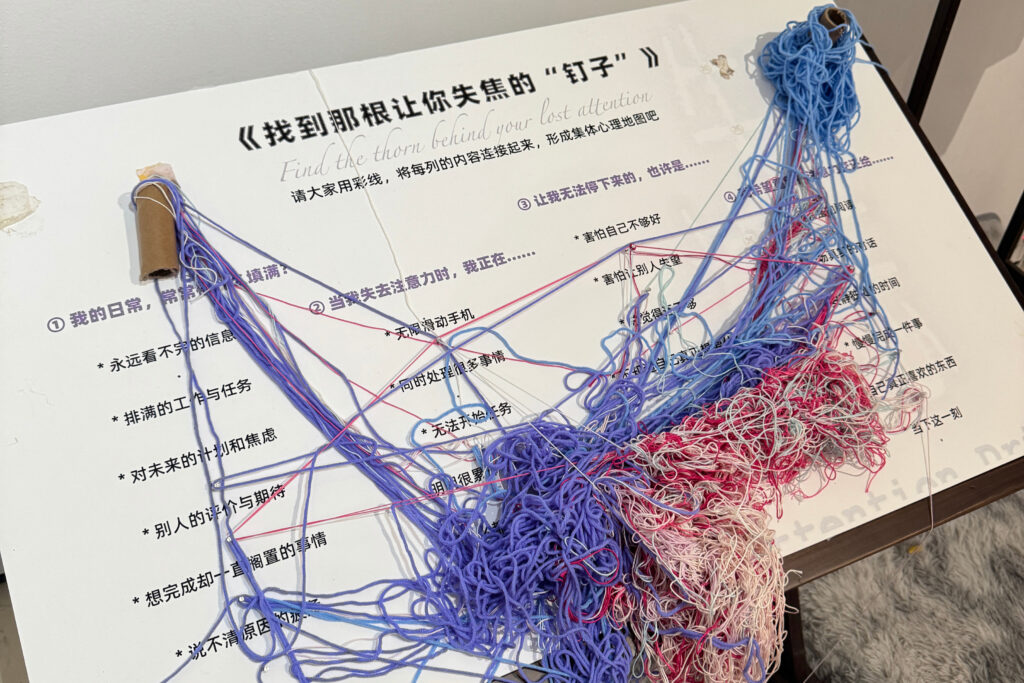
Rather than presenting these subjects as abstract social issues, many students translate internal experiences into physical spaces. Visitors move through installations designed not simply to be observed, but to make emotions more tangible.
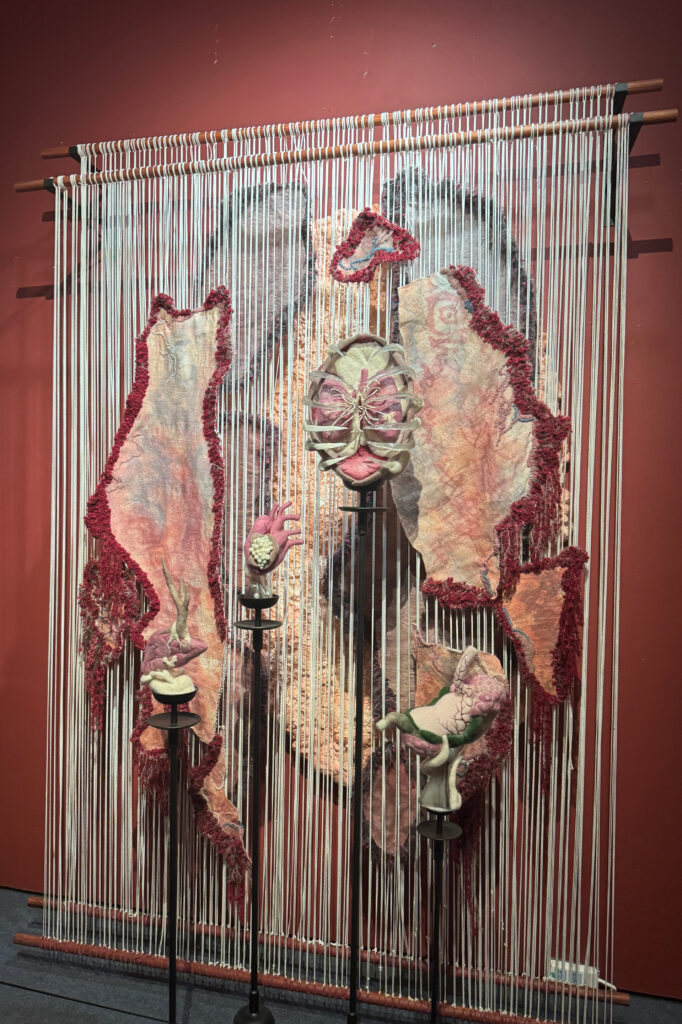
One of the most talked-about works at CAFA, All Lives Are Candy by Tan Meilin, consists of translucent sugar masks that slowly transform over the course of the exhibition. They absorb moisture from the air, collect dust, and gradually dissolve. Instead of resisting impermanence, the work embraces it, suggesting that change is an inevitable part of being human.
A window onto contemporary China
Graduation exhibitions are sometimes presented as places to spot the famous artists of tomorrow. But trying to predict whose work will endure misses much of the pleasure of visiting. What makes these exhibitions memorable is the opportunity to encounter ideas while they are still taking shape, often with the artists themselves standing nearby.
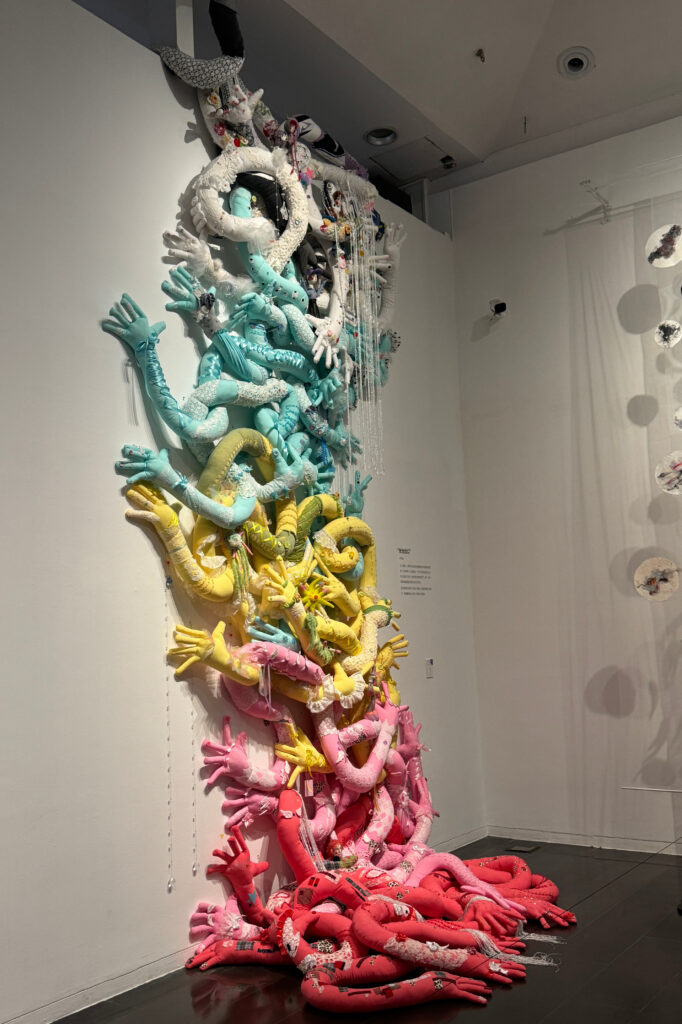
As one regular visitor remarked, “You get to see what people are thinking about before they become established. Right now, it still feels very honest.”
For travelers, that honesty is what makes the graduation exhibitions worth seeking out. They offer far more than an afternoon of art and design. They reveal contemporary China through the concerns, experiments, and perspectives of a new generation.
By April Mao
Inspired by Beijing’s graduation exhibitions? Get in touch with our travel designers to plan a journey combining the city’s historic landmarks with its contemporary art scene.